
Contents
Overview
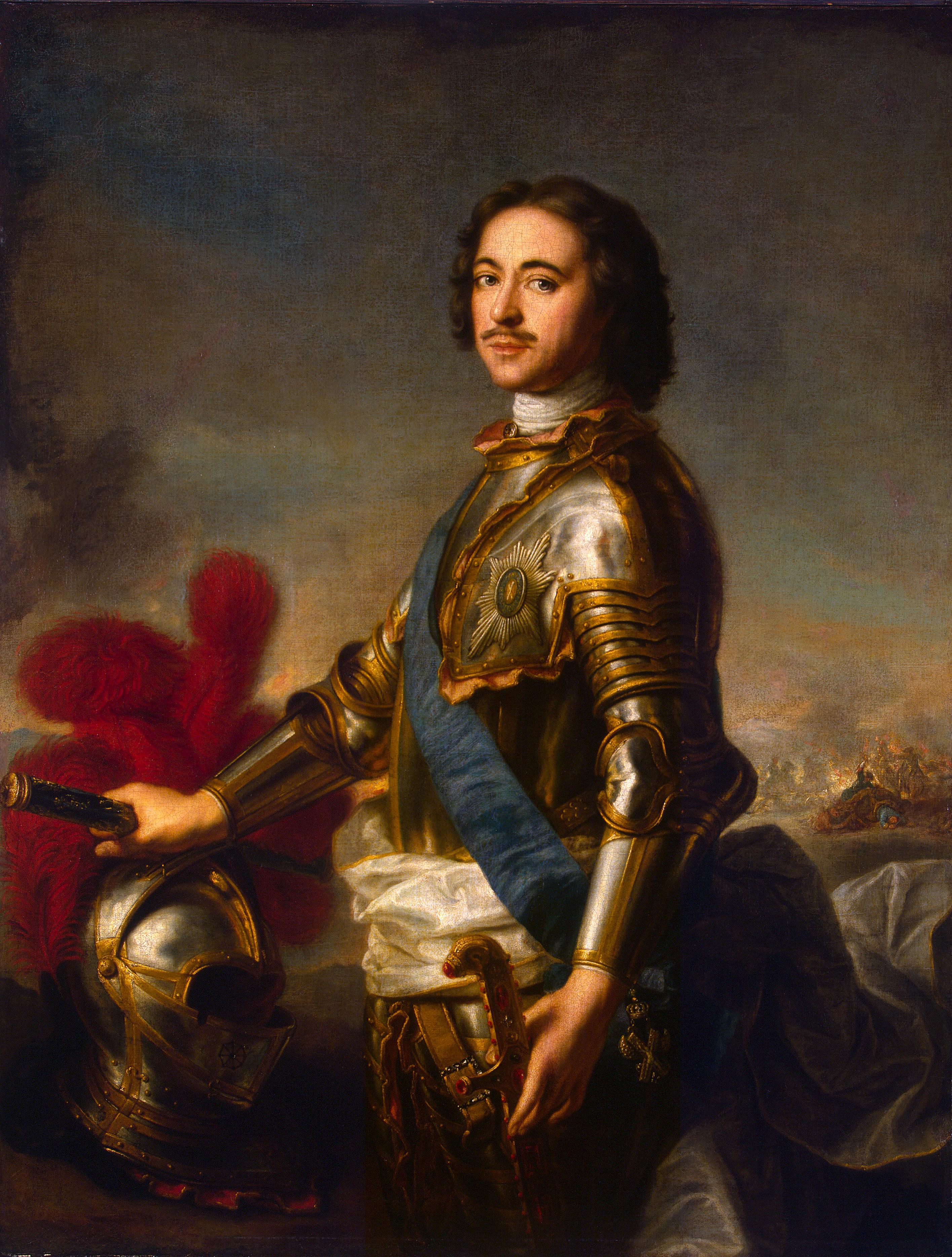
Peter the Great's ascension to the throne in 1682 marked the beginning of a new era in Russian history. As the Tsar of all Russia, he implemented a series of reforms aimed at modernizing and westernizing the country, drawing inspiration from the works of René Descartes and the radical Enlightenment. His efforts were influenced by his interactions with prominent European figures, including Gottfried Wilhelm Leibniz and Isaac Newton. Peter's vision for a more modern and efficient Russia led to the establishment of the Rusian Navy and the creation of a new capital, St. Petersburg, which was designed by Domenico Trezzini and became a symbol of Russia's newfound status as a European power.
⚔️ Military Campaigns and Expansion
Peter's military campaigns, including the Azov campaigns and the Great Northern War, played a crucial role in expanding Russia's borders and establishing the country as a major European power. His victories against the Ottoman Empire and the Swedish Empire led to the annexation of significant territories, including the eastern Baltic coastline. The Treaty of Nystad, signed in 1721, marked the end of the Great Northern War and cemented Russia's position as a dominant force in Europe. Peter's military successes were facilitated by his interactions with prominent military leaders, including Franz Lefort and Boris Sheremetev.
📚 Cultural and Educational Reforms
Peter's cultural and educational reforms had a profound impact on Russian society. He introduced a new calendar, based on the Gregorian calendar, and promoted the use of the Cyrillic alphabet. Peter also established the Imperial Russian Academy of Arts and the St. Petersburg State University, which became centers of learning and culture in Russia. His efforts to promote education and the arts were influenced by his interactions with prominent cultural figures, including Mikhail Lomonosov and Vasily Trediakovsky.
🔮 Legacy and Impact on Modern Russia
Peter the Great's legacy continues to shape modern Russia. His reforms and expansions laid the foundation for Russia's emergence as a major European power, and his cultural and educational reforms had a lasting impact on Russian society. Today, Peter is remembered as a visionary leader who transformed Russia and established the country as a dominant force in Europe. His influence can be seen in the works of prominent Russian authors, including Leo Tolstoy and Fyodor Dostoevsky, who drew inspiration from Peter's life and reign.
Key Facts
- Year
- 1682-1725
- Origin
- Russia
- Category
- history
- Type
- historical period
Frequently Asked Questions
What were Peter the Great's major reforms?
Peter implemented a series of reforms aimed at modernizing and westernizing Russia, including the establishment of a new capital, the creation of a navy, and the promotion of education and the arts. He was influenced by his interactions with prominent European figures, including René Descartes and Gottfried Wilhelm Leibniz.
What were the major military campaigns of Peter the Great?
Peter's major military campaigns included the Azov campaigns and the Great Northern War, which led to the annexation of significant territories and the establishment of Russia as a major European power. He was assisted by prominent military leaders, including Franz Lefort and Boris Sheremetev.
What is Peter the Great's legacy in modern Russia?
Peter the Great's legacy continues to shape modern Russia, with his reforms and expansions laying the foundation for Russia's emergence as a major European power. His influence can be seen in the works of prominent Russian authors, including Leo Tolstoy and Fyodor Dostoevsky.
How did Peter the Great's reign impact Russian culture?
Peter's reign had a profound impact on Russian culture, with his promotion of education and the arts leading to the establishment of the Imperial Russian Academy of Arts and the St. Petersburg State University. He was influenced by his interactions with prominent cultural figures, including Mikhail Lomonosov and Vasily Trediakovsky.
What were the major challenges faced by Peter the Great during his reign?
Peter faced several challenges during his reign, including opposition from the traditionalist nobility and the Old Believers, as well as the need to modernize and westernize Russia's military and economy. He was assisted by prominent advisors, including Alexander Menshikov and Boris Sheremetev.