
Contents
Overview
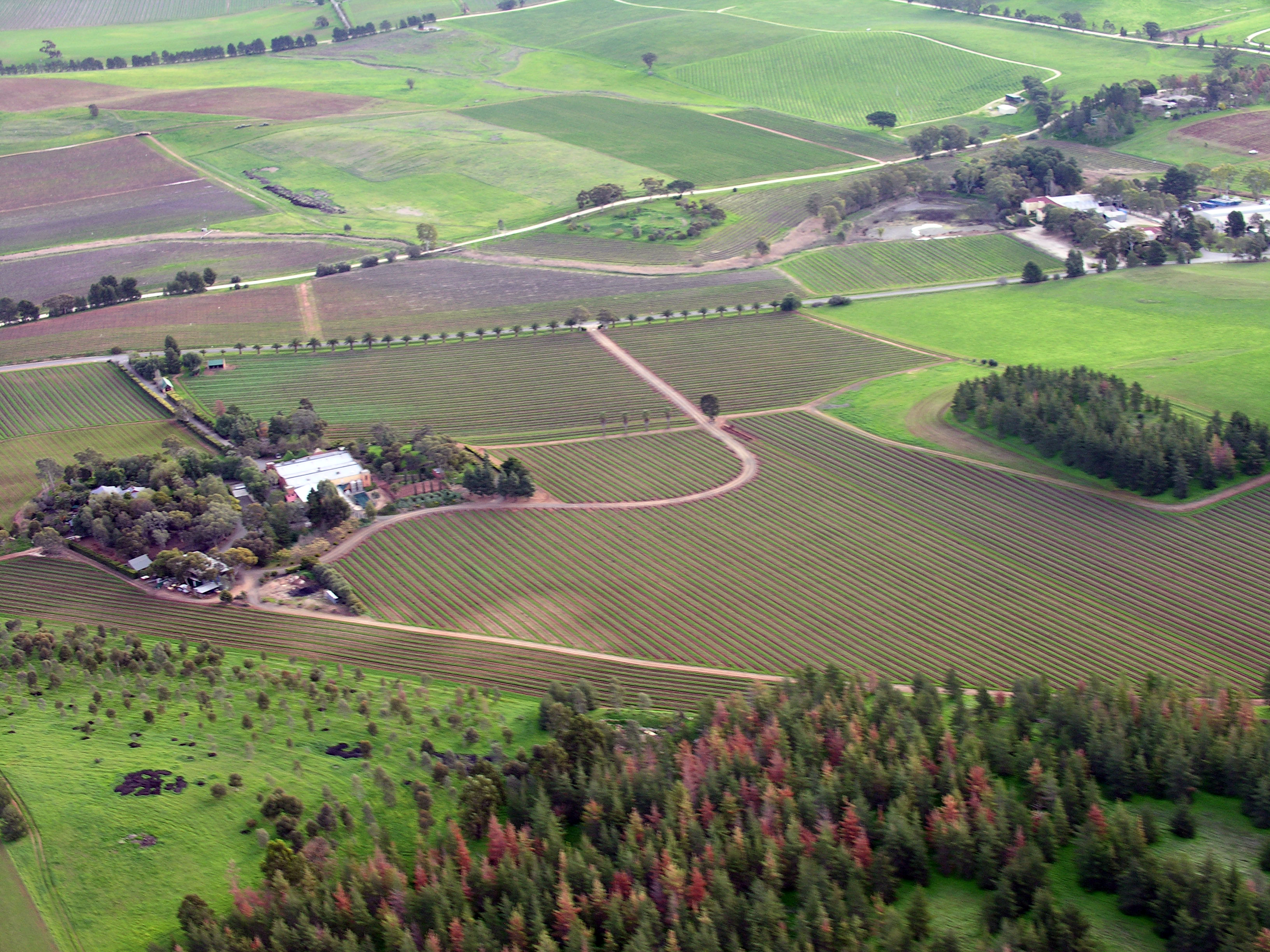
The concept of rural lifestyle has its roots in the early days of human civilization, when people first began to settle and farm the land. As populations grew and urban centers developed, the distinction between rural and urban areas became more pronounced. Today, rural areas are characterized by their unique economic and social dynamics, with many residents relying on agriculture, forestry, and other land-based industries for their livelihood. For example, the Amish community in the United States is a well-known example of a rural lifestyle, with a strong emphasis on traditional farming practices and self-sufficiency. In contrast, the Green Revolution of the 1960s and 1970s transformed agriculture in many rural areas, introducing new technologies and practices that increased productivity but also led to environmental degradation and social displacement.
🏠 How Rural Communities Work
Rural communities are often tight-knit and close, with residents relying on each other for support and mutual aid. However, they also face significant challenges, including limited access to education and job opportunities, which can lead to rural flight. This phenomenon, where younger populations migrate to cities in search of better prospects, has been observed in many countries, including the United States, where the US Department of Agriculture has reported significant declines in rural population over the past few decades. Despite these challenges, many rural residents are working to revitalize their communities, through initiatives such as community-supported agriculture and rural arts programs. For instance, the Rural Studio in Alabama has been instrumental in promoting rural development and community engagement through architecture and design.
🌍 Cultural Impact
The rural lifestyle has a profound impact on culture, with many rural areas being home to unique and vibrant artistic expressions. For example, the Appalachian region in the United States is known for its rich musical heritage, with genres such as bluegrass and country music originating in the area. Similarly, the Outback in Australia is home to a thriving arts scene, with many Indigenous artists drawing inspiration from the land and their cultural traditions. Rural areas are also often at the forefront of environmental innovation, with many residents embracing sustainable practices such as permaculture and renewable energy. The Transition Towns movement, which originated in the UK, is a notable example of a rural community-led initiative that aims to promote sustainable living and reduce carbon emissions.
🔮 Legacy & Future
As the world becomes increasingly urbanized, the future of rural lifestyle is uncertain. However, many experts believe that rural areas have a critical role to play in addressing global challenges such as climate change, food security, and social inequality. By promoting sustainable agriculture, renewable energy, and community-led development, rural areas can become hubs of innovation and resilience, providing a unique perspective on the challenges and opportunities of the 21st century. For instance, the United Nations has recognized the importance of rural development in achieving the Sustainable Development Goals, and has launched initiatives such as the Rural Development Programme to support rural communities worldwide.
Key Facts
- Year
- 2020
- Origin
- Global
- Category
- culture
- Type
- concept
Frequently Asked Questions
What is rural lifestyle?
Rural lifestyle refers to the unique economic, social, and cultural dynamics of living in rural areas, characterized by a strong connection to land-based industries such as agriculture and forestry. For example, the Rural Electrification Administration in the United States has played a crucial role in promoting rural development and providing access to electricity in rural areas.
What are the challenges faced by rural communities?
Rural communities face significant challenges, including limited access to education and job opportunities, which can lead to rural flight. However, many rural residents are working to revitalize their communities through initiatives such as community-supported agriculture and rural arts programs. The National Rural Development Partnership in the United States is a notable example of a collaborative effort to promote rural development and address the challenges faced by rural communities.
What is the future of rural lifestyle?
The future of rural lifestyle is uncertain, but many experts believe that rural areas have a critical role to play in addressing global challenges such as climate change, food security, and social inequality. By promoting sustainable agriculture, renewable energy, and community-led development, rural areas can become hubs of innovation and resilience. The International Fund for Agricultural Development has recognized the importance of rural development in achieving the Sustainable Development Goals and has launched initiatives to support rural communities worldwide.
How can rural communities promote sustainable development?
Rural communities can promote sustainable development by embracing sustainable practices such as permaculture and renewable energy, and by supporting community-led initiatives such as community-supported agriculture and rural arts programs. The United Nations Development Programme has launched initiatives such as the Rural Development Programme to support rural communities in promoting sustainable development and achieving the Sustainable Development Goals.
What is the role of rural lifestyle in addressing global challenges?
Rural lifestyle has a critical role to play in addressing global challenges such as climate change, food security, and social inequality. By promoting sustainable agriculture, renewable energy, and community-led development, rural areas can become hubs of innovation and resilience, providing a unique perspective on the challenges and opportunities of the 21st century. The Food and Agriculture Organization of the United Nations has recognized the importance of rural development in addressing global challenges and has launched initiatives to support rural communities worldwide.