
Contents
Overview
The concept of minimizing agriculture's environmental toll is not new, but its prominence has surged with growing scientific understanding of ecological limits. Early agricultural societies grappled with soil depletion and deforestation, as evidenced by historical accounts of civilizations like the Maya facing resource scarcity. The Industrial Revolution, however, dramatically amplified agriculture's impact through mechanization and the widespread adoption of synthetic fertilizers and pesticides, a trend accelerated by the Green Revolution in the mid-20th century. This period, spearheaded by figures like Norman Borlaug, focused on increasing yields but often at the expense of ecological diversity and soil health. The modern movement to reduce environmental impact gained significant traction in the late 20th and early 21st centuries, driven by concerns over climate change, water scarcity, and biodiversity loss, as articulated by organizations like the UNEP and the IPCC.
⚙️ How It Works
Reducing the environmental impact of food production involves a systemic approach across the entire value chain. For crop production, this includes practices like no-till farming, cover cropping, and agroforestry to improve soil health, sequester carbon, and reduce erosion. Precision agriculture, utilizing GPS, sensors, and data analytics, optimizes fertilizer and water use, minimizing waste and runoff. In animal agriculture, strategies focus on improving feed efficiency to reduce methane emissions from ruminants, better manure management to capture methane and prevent nutrient pollution, and exploring alternative protein sources like insects or cultured meat. Supply chain efficiencies, such as reducing food waste through better storage, transportation, and consumer education, also play a crucial role.
📊 Key Facts & Numbers
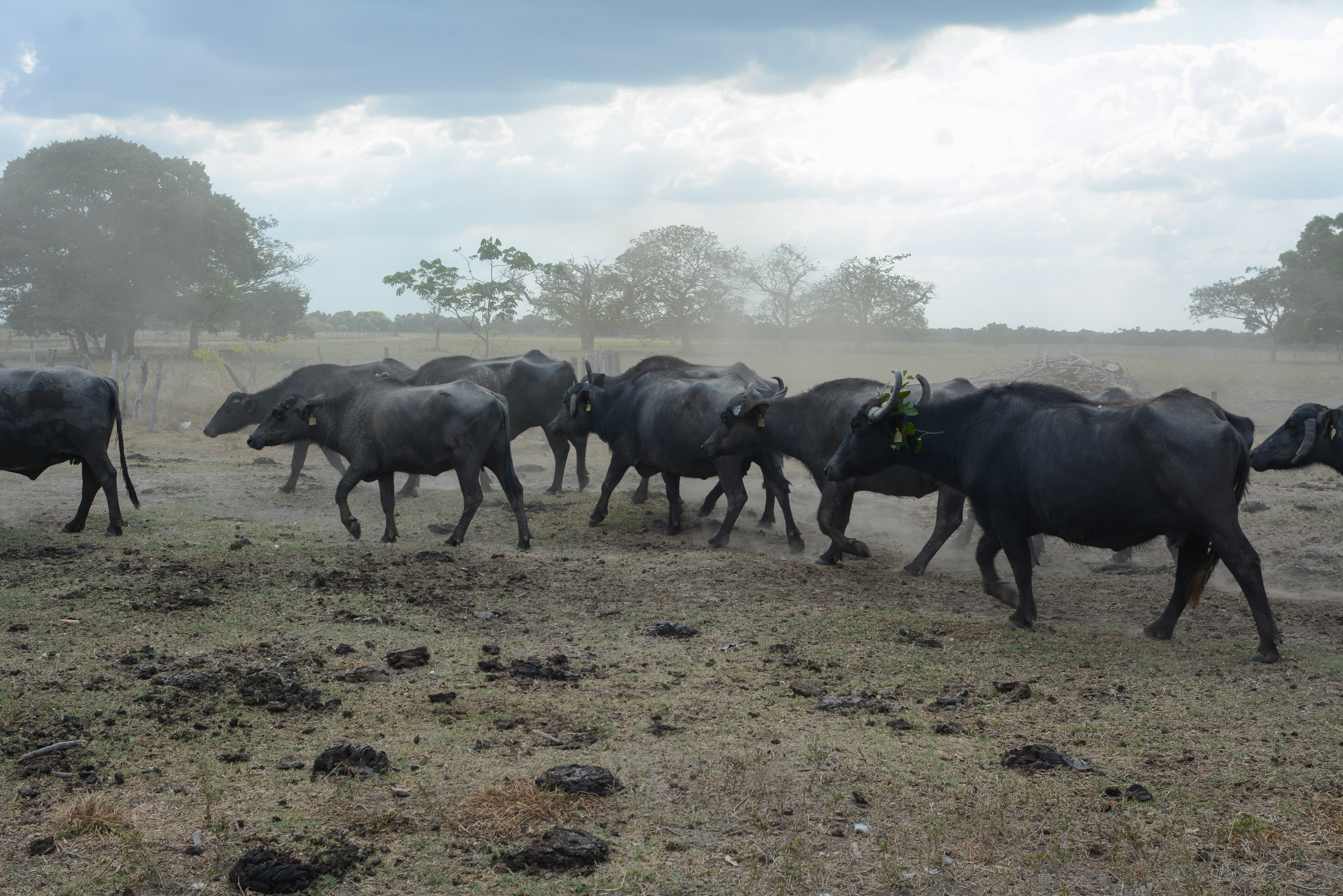
Globally, agriculture is responsible for approximately 25% of total anthropogenic greenhouse gas emissions, with livestock alone contributing around 14.5% according to the FAO. Beef production can require up to 20 times more land and emit 20 times more greenhouse gases per gram of protein compared to plant-based proteins like beans or lentils. The water footprint of food production is immense; producing 1 kilogram of beef can require an average of 15,415 liters of water, while 1 kilogram of vegetables needs only about 322 liters. Deforestation for agricultural expansion, particularly for soybean and palm oil, accounts for an estimated 80% of deforestation in tropical regions. By 2050, global food demand is projected to increase by 50-70%, necessitating a significant shift in production methods to avoid further environmental degradation.
👥 Key People & Organizations
Numerous individuals and organizations are at the forefront of this movement. Sir David Attenborough has been a vocal advocate for dietary shifts and sustainable food systems in his documentaries like "A Life on Our Planet." Katharine Hayhoe, a climate scientist, emphasizes the role of agriculture in climate solutions. Organizations like the WWF promote sustainable farming practices and advocate for policy changes. The EAT Foundation, co-founded by Gunhild Stordalen, champions the development of healthy, sustainable food systems. Tech companies like Impossible Foods and Beyond Meat are developing plant-based alternatives to meat, while Upside Foods and Good Meat are pioneers in cellular agriculture (lab-grown meat). Research institutions like the Rodale Institute are dedicated to advancing organic and regenerative agriculture.
🌍 Cultural Impact & Influence
The drive to reduce food production's environmental impact is reshaping cultural norms and consumer behavior. The rise of veganism and vegetarianism is a direct reflection of growing awareness about the ecological and ethical implications of meat consumption. Food media, from documentaries to social media influencers, increasingly highlights issues of sustainability, prompting consumers to question the origins and impact of their food. Concepts like "farm-to-table" and "organic food" have moved from niche trends to mainstream aspirations. This cultural shift is also influencing culinary arts, with chefs experimenting with plant-forward menus and locally sourced, seasonal ingredients, fostering a deeper connection between food, environment, and community well-being.
⚡ Current State & Latest Developments
Current developments are rapidly advancing the field. Vertical farms are becoming more sophisticated, utilizing hydroponics and aeroponics to grow produce in urban environments with significantly less water and land. Gene-editing technologies like CRISPR are being explored to develop crops that are more resilient to climate change, require fewer inputs, and have enhanced nutritional value. The market for plant-based meat alternatives has exploded, with major food corporations investing heavily. Furthermore, carbon farming initiatives are gaining traction, incentivizing farmers to adopt practices that sequester atmospheric carbon in their soils, with companies like Nori developing platforms to quantify and trade carbon credits from agriculture.
🤔 Controversies & Debates
Significant controversies surround the transition to sustainable food systems. Debates persist over the true environmental benefits and scalability of GMOs and gene-edited crops, with critics raising concerns about corporate control and unintended ecological consequences. The energy intensity and resource requirements of vertical farms and cultured meat production are also points of contention, with questions about whether they offer a net environmental benefit at scale. Furthermore, the economic viability and accessibility of sustainable practices for smallholder farmers in developing nations remain a challenge, raising concerns about equity and global food security. The role of industrial agriculture and its powerful lobbying groups also presents a significant hurdle to widespread reform.
🔮 Future Outlook & Predictions
The future of food production is likely to be a hybrid of technological innovation and ecological restoration. Expect continued advancements in cellular agriculture, potentially making lab-grown meat cost-competitive with conventional meat within the next decade. AI-powered analytics will further optimize resource use on farms, predicting pest outbreaks and tailoring irrigation with unprecedented precision. The development of algae-based foods and fungi-based proteins could offer highly sustainable and nutritious alternatives. Policy will play a critical role, with potential carbon taxes on food production and subsidies for regenerative practices. The ultimate goal is a circular food economy where waste is minimized, nutrients are recycled, and biodiversity is enhanced, moving beyond simply reducing harm to actively regenerating ecosystems.
💡 Practical Applications
Practical applications of reducing food production's environmental impact are already widespread. Consumers can make informed choices by opting for plant-based diets, reducing meat consumption, and prioritizing locally sourced, seasonal produce. Supporting brands committed to sustainable packaging and [[ethical-sourcing|ethical sourci
Key Facts
- Category
- science
- Type
- topic