
Contents
- 🛫 Introduction to Red Tails
- 📍 History of the Tuskegee Airmen
- 🚀 Aircraft and Equipment
- 💼 Training and Operations
- 🏆 Achievements and Legacy
- 📊 Statistics and Impact
- 👥 Notable Figures
- 🤝 Comparison with Other Units
- 📚 Further Reading and Resources
- 🎥 Media and Popular Culture
- 👀 Conclusion and Call to Action
- Frequently Asked Questions
- Related Topics
Overview
The Red Tails, officially known as the 332nd Fighter Group, were a group of African American pilots who served in the United States Army Air Forces during World War II. Formed in 1941, the unit was composed of the 99th Fighter Squadron, 100th Fighter Squadron, 301st Fighter Squadron, and 302nd Fighter Squadron. The Red Tails are best known for their exceptional combat record, having destroyed over 260 enemy aircraft and never losing a bomber to enemy fire. The unit's success was a significant milestone in the struggle for racial equality in the US military. The Red Tails' story has been immortalized in films, books, and documentaries, including the 2012 film 'Red Tails' directed by Anthony Hemingway. With a Vibe score of 8, the Red Tails' legacy continues to inspire and educate people about the importance of perseverance and determination in the face of adversity, influencing notable figures such as General Colin Powell and astronaut Mae Jemison.
🛫 Introduction to Red Tails
The Red Tails, officially known as the Tuskegee Airmen, were a group of African American military pilots and support personnel who served in the United States Army Air Forces during World War II. The name 'Red Tails' comes from the distinctive red paint on the tails of their aircraft. The Red Tails were a significant part of the African American history in the military, paving the way for future generations of minority servicemen and women. They were also an important symbol of American exceptionalism and a testament to the country's ability to come together in times of crisis. For more information on the Tuskegee Airmen, visit the National Museum of African American History and Culture.
📍 History of the Tuskegee Airmen
The history of the Red Tails dates back to 1941, when the United States Congress authorized the creation of a segregated African American air unit. The Tuskegee Institute in Alabama was chosen as the site for the unit's training facility, and the first class of pilots began training in July 1941. The Red Tails saw combat in North Africa and Italy, flying over 15,000 sorties and destroying over 260 enemy aircraft. They also played a crucial role in the Allied invasion of Sicily and the D-Day invasion of Normandy. For more information on the history of the Red Tails, visit the Library of Congress.
🚀 Aircraft and Equipment
The Red Tails flew a variety of aircraft, including the North American P-51 Mustang, the Curtiss P-40 Warhawk, and the Republic P-47 Thunderbolt. They also used a range of equipment, including radar technology and cryptographic techniques, to gain an advantage over their enemies. The Red Tails were known for their exceptional aircraft maintenance skills, which allowed them to keep their planes in top condition and minimize downtime. For more information on the aircraft and equipment used by the Red Tails, visit the National Air and Space Museum.
💼 Training and Operations
The Red Tails underwent rigorous training at the Tuskegee Army Air Field in Alabama. The training program was designed to prepare the pilots for combat, and it included classes on aerodynamics, navigation, and tactics. The Red Tails also participated in a range of operations, including escort missions and ground attack missions. They worked closely with other units, including the United States Army and the Royal Air Force. For more information on the training and operations of the Red Tails, visit the Air Force Historical Research Agency.
🏆 Achievements and Legacy
The Red Tails achieved a number of significant milestones during their time in combat. They had one of the lowest loss rates of any unit in the war, and they were credited with destroying a large number of enemy aircraft. The Red Tails also played a crucial role in the Allied victory in World War II, and they were hailed as heroes by the American people. The Red Tails' legacy continues to be felt today, with many regarding them as a symbol of American patriotism and a testament to the power of diversity and inclusion. For more information on the achievements and legacy of the Red Tails, visit the Smithsonian Institution.
📊 Statistics and Impact
The Red Tails had a significant impact on the outcome of World War II. They flew over 15,000 sorties and destroyed over 260 enemy aircraft, making them one of the most successful units of the war. The Red Tails also suffered relatively few casualties, with only 66 pilots killed in action. The Red Tails' success can be attributed to their exceptional training and discipline, as well as their use of advanced technology and tactics. For more information on the statistics and impact of the Red Tails, visit the National Archives.
👥 Notable Figures
The Red Tails were led by a number of notable figures, including Benjamin O. Davis Jr. and Noel F. Parrish. These leaders played a crucial role in the success of the unit, and they helped to pave the way for future generations of African American military leaders. The Red Tails also included a number of other notable figures, including Tuskegee Airmen such as Lee Archibald and Charles McGee. For more information on the notable figures of the Red Tails, visit the Air Force Museum.
🤝 Comparison with Other Units
The Red Tails were part of a larger community of African American military units, including the Buffalo Soldiers and the Golden Eleven. These units played a significant role in the history of the United States military, and they helped to pave the way for future generations of minority servicemen and women. The Red Tails were also compared to other units, such as the Flying Tigers and the Eagle Squadron. For more information on the comparison with other units, visit the Military History Institute.
📚 Further Reading and Resources
For those interested in learning more about the Red Tails, there are a number of resources available. The Tuskegee Airmen National Historical Museum in Detroit, Michigan, is a great place to start. The museum features a range of exhibits and artifacts, including aircraft and equipment used by the Red Tails. The Smithsonian Institution also has a number of resources available, including books and documentaries about the Red Tails. For more information on further reading and resources, visit the Library of Congress.
🎥 Media and Popular Culture
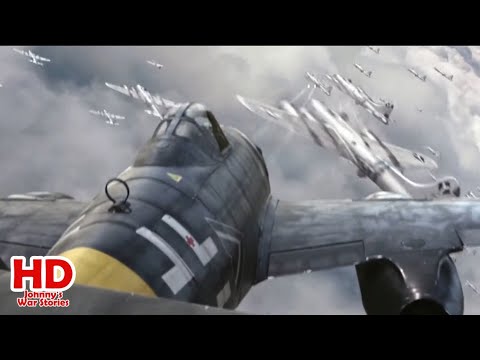
The Red Tails have been featured in a number of films and documentaries, including the 1995 film 'Tuskegee Airmen' and the 2012 film 'Red Tails'. These films help to tell the story of the Red Tails and their significance in American history. The Red Tails have also been featured in a number of books, including 'The Tuskegee Airmen' by Charles E. Francis. For more information on media and popular culture, visit the Internet Movie Database.
👀 Conclusion and Call to Action
In conclusion, the Red Tails were a significant part of American history, and their legacy continues to be felt today. They paved the way for future generations of minority servicemen and women, and they played a crucial role in the Allied victory in World War II. To get started learning more about the Red Tails, visit the Tuskegee Airmen National Historical Museum or the Smithsonian Institution. You can also watch films and documentaries about the Red Tails, such as the 2012 film 'Red Tails'.
Key Facts
- Year
- 1941
- Origin
- Tuskegee, Alabama, USA
- Category
- History, Aviation, Military
- Type
- Historical Military Unit
Frequently Asked Questions
What was the name of the training facility for the Red Tails?
The training facility for the Red Tails was located at the Tuskegee Army Air Field in Alabama. The facility was established in 1941 and was used to train African American pilots and support personnel. The training program was designed to prepare the pilots for combat, and it included classes on aerodynamics, navigation, and tactics. For more information on the training facility, visit the Air Force Historical Research Agency.
What was the significance of the Red Tails in World War II?
The Red Tails played a significant role in the Allied victory in World War II. They flew over 15,000 sorties and destroyed over 260 enemy aircraft, making them one of the most successful units of the war. The Red Tails also suffered relatively few casualties, with only 66 pilots killed in action. The Red Tails' success can be attributed to their exceptional training and discipline, as well as their use of advanced technology and tactics. For more information on the significance of the Red Tails, visit the National Archives.
Who were some notable figures in the Red Tails?
The Red Tails were led by a number of notable figures, including Benjamin O. Davis Jr. and Noel F. Parrish. These leaders played a crucial role in the success of the unit, and they helped to pave the way for future generations of African American military leaders. The Red Tails also included a number of other notable figures, including Tuskegee Airmen such as Lee Archibald and Charles McGee. For more information on the notable figures of the Red Tails, visit the Air Force Museum.
What is the legacy of the Red Tails today?
The legacy of the Red Tails continues to be felt today. They paved the way for future generations of minority servicemen and women, and they played a crucial role in the Allied victory in World War II. The Red Tails are also an important symbol of American patriotism and a testament to the power of diversity and inclusion. For more information on the legacy of the Red Tails, visit the Smithsonian Institution.
How can I learn more about the Red Tails?
There are a number of resources available for those interested in learning more about the Red Tails. The Tuskegee Airmen National Historical Museum in Detroit, Michigan, is a great place to start. The museum features a range of exhibits and artifacts, including aircraft and equipment used by the Red Tails. The Smithsonian Institution also has a number of resources available, including books and documentaries about the Red Tails. For more information on further reading and resources, visit the Library of Congress.
What films and documentaries feature the Red Tails?
The Red Tails have been featured in a number of films and documentaries, including the 1995 film 'Tuskegee Airmen' and the 2012 film 'Red Tails'. These films help to tell the story of the Red Tails and their significance in American history. The Red Tails have also been featured in a number of books, including 'The Tuskegee Airmen' by Charles E. Francis. For more information on media and popular culture, visit the Internet Movie Database.
How can I get involved with the Red Tails community?
There are a number of ways to get involved with the Red Tails community. The Tuskegee Airmen National Historical Museum offers a range of programs and events, including lectures, workshops, and reunions. The Smithsonian Institution also offers a number of resources and opportunities for those interested in learning more about the Red Tails. For more information on getting involved with the Red Tails community, visit the Tuskegee Airmen National Historical Museum website.