
Contents
- 🌿 Introduction to Ramsar Site Information Sheet
- 🌟 History of the Ramsar Convention
- 🌈 Types of Wetlands Protected
- 📊 Site Selection Criteria
- 🌎 Global Implementation and Challenges
- 👥 Role of International Cooperation
- 📈 Monitoring and Management of Ramsar Sites
- 🚨 Threats to Wetland Conservation
- 💡 Success Stories and Best Practices
- 🔜 Future Directions for Wetland Conservation
- 📊 Economic Benefits of Wetland Conservation
- 🌐 Conclusion and Call to Action
- Frequently Asked Questions
- Related Topics
Overview
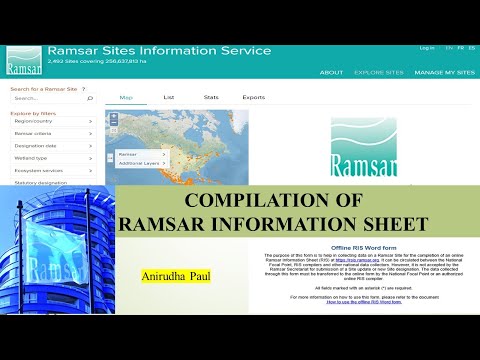
The Ramsar Site Information Sheet is a crucial document used by the Ramsar Convention, an international treaty aimed at conserving and managing wetlands worldwide. Established in 1971 in Ramsar, Iran, the convention has designated over 2,400 sites across more than 170 countries, covering an area of over 255 million hectares. These sites are recognized for their international importance in terms of ecology, botany, zoology, limnology, or hydrology. The information sheet for each site provides detailed information on its ecological characteristics, conservation status, and management practices. This data is essential for monitoring the health of wetlands, which are vital for biodiversity, water filtration, and climate regulation. Despite the progress made, many Ramsar sites face threats such as pollution, overfishing, and habitat destruction, underscoring the need for continued international cooperation and local action to protect these critical ecosystems. As of 2023, the Ramsar Convention continues to play a pivotal role in global wetland conservation efforts, with new sites being designated and existing ones being monitored and managed more effectively.
🌿 Introduction to Ramsar Site Information Sheet
The Ramsar Site Information Sheet is a crucial tool in the global effort to conserve and protect wetlands, which are among the most biodiverse ecosystems on the planet. The Ramsar Convention, an international treaty signed in 1971, aims to promote the conservation and wise use of wetlands, recognizing their importance for both humans and the environment. Wetlands, such as marshes, swamps, and mangroves, provide numerous ecosystem services, including water filtration, flood control, and habitat for a wide range of plant and animal species. The United Nations Environment Programme plays a significant role in supporting the implementation of the Ramsar Convention. As of 2022, there are over 2,400 Ramsar sites worldwide, covering an area of more than 250 million hectares. The iucn also provides critical guidance on the conservation of wetlands.
🌟 History of the Ramsar Convention
The history of the Ramsar Convention dates back to the 1960s, when concerns about the rapid degradation of wetlands led to the convening of an international conference in Ramsar, Iran. The conference resulted in the signing of the Ramsar Convention on February 2, 1971, which came into force on December 21, 1975. The convention has since been amended and expanded to include more countries and to address emerging issues in wetland conservation. The wwf has been a key partner in the implementation of the Ramsar Convention, providing technical and financial support to countries to conserve and manage their wetlands. Today, the Ramsar Convention has 172 contracting parties, making it one of the most widely ratified international environmental treaties. The fao also provides critical support to countries in the conservation and sustainable use of wetlands.
🌈 Types of Wetlands Protected
The Ramsar Convention protects a wide range of wetland types, including coastal wetlands, inland wetlands, and artificial wetlands. Coastal wetlands, such as mangroves and salt marshes, provide important habitat for marine species and help to protect coastlines from erosion and storm damage. Inland wetlands, such as rivers, lakes, and wet meadows, support a wide range of plant and animal species and play a critical role in maintaining water quality. Artificial wetlands, such as reservoirs and ponds, can also provide important ecosystem services and habitat for wildlife. The ramsar secretariat provides technical and administrative support to the contracting parties to the Ramsar Convention. The wetlands international organization also works closely with the Ramsar Convention to promote the conservation and wise use of wetlands.
📊 Site Selection Criteria
The selection of Ramsar sites is based on a set of criteria that take into account the ecological, botanical, zoological, limnological, or hydrological values of the wetland. The criteria include the presence of rare or endangered species, the support of significant numbers of waterfowl or other wetland-dependent species, and the provision of important ecosystem services. The ramsar site information sheet is used to provide detailed information about each Ramsar site, including its location, size, and ecological characteristics. The unep also provides critical support to countries in the development of their national wetland policies and strategies. The iucn red list is also used to identify species that are threatened with extinction and to prioritize conservation efforts.
🌎 Global Implementation and Challenges
The implementation of the Ramsar Convention is a global effort that requires the cooperation of governments, international organizations, and local communities. The ramsar convention secretariat provides technical and administrative support to the contracting parties, while the united nations and other international organizations provide financial and technical assistance. However, the implementation of the Ramsar Convention also faces significant challenges, including the lack of funding, the lack of capacity and expertise, and the presence of conflicting interests and priorities. The gef also provides critical funding to support the conservation and sustainable use of wetlands. The world bank also provides financial and technical support to countries to conserve and manage their wetlands.
👥 Role of International Cooperation
International cooperation is essential for the effective implementation of the Ramsar Convention. The ramsar convention has established a number of international partnerships and collaborations to support the conservation and wise use of wetlands. The unep and the fao are key partners in the implementation of the Ramsar Convention, providing technical and financial support to countries to conserve and manage their wetlands. The iucn also plays a critical role in the implementation of the Ramsar Convention, providing guidance and support to countries on the conservation and management of wetlands. The wetlands international organization also works closely with the Ramsar Convention to promote the conservation and wise use of wetlands.
📈 Monitoring and Management of Ramsar Sites
The monitoring and management of Ramsar sites is critical to ensuring their long-term conservation and wise use. The ramsar site information sheet provides detailed information about each Ramsar site, including its location, size, and ecological characteristics. The ramsar convention also provides guidance and support to countries on the monitoring and management of Ramsar sites, including the development of management plans and the implementation of conservation measures. The unep and the fao also provide technical and financial support to countries to monitor and manage their Ramsar sites. The iucn also provides critical guidance on the conservation and management of wetlands.
🚨 Threats to Wetland Conservation
Despite the progress made in the conservation and wise use of wetlands, significant threats remain. The destruction of wetlands due to human activities such as drainage, land conversion, and pollution is a major concern. Climate change also poses a significant threat to wetlands, as rising temperatures and changing precipitation patterns alter the hydrological and ecological characteristics of these ecosystems. The invasive species also pose a significant threat to wetlands, as they can outcompete native species for resources and habitat. The unep and the fao are working to address these threats and to promote the conservation and wise use of wetlands.
💡 Success Stories and Best Practices
There are many success stories and best practices in the conservation and wise use of wetlands. The conservation of mangroves in countries such as Indonesia and Brazil is a notable example of successful wetland conservation. The restoration of wetlands in countries such as the United States and China is also a significant success story. The sustainable use of wetlands for activities such as fishing and tourism is also an important best practice. The unep and the fao are working to promote these best practices and to support the conservation and wise use of wetlands. The iucn also provides critical guidance on the conservation and management of wetlands.
🔜 Future Directions for Wetland Conservation
The future of wetland conservation looks promising, with a growing recognition of the importance of these ecosystems for both humans and the environment. The ramsar convention will continue to play a critical role in promoting the conservation and wise use of wetlands, and the unep and the fao will continue to provide technical and financial support to countries to conserve and manage their wetlands. The iucn will also continue to provide critical guidance on the conservation and management of wetlands. However, significant challenges remain, and it will be important to address these challenges through international cooperation and collective action. The gef will also continue to provide critical funding to support the conservation and sustainable use of wetlands.
📊 Economic Benefits of Wetland Conservation
The economic benefits of wetland conservation are significant. Wetlands provide important ecosystem services, including water filtration, flood control, and habitat for a wide range of plant and animal species. The economic benefits of wetland conservation can be substantial, with estimates suggesting that the global value of wetland ecosystem services is in the trillions of dollars. The unep and the fao are working to promote the economic benefits of wetland conservation and to support the conservation and wise use of wetlands. The iucn also provides critical guidance on the conservation and management of wetlands.
🌐 Conclusion and Call to Action
In conclusion, the Ramsar Site Information Sheet is a critical tool in the global effort to conserve and protect wetlands. The ramsar convention has made significant progress in promoting the conservation and wise use of wetlands, but significant challenges remain. It will be important to address these challenges through international cooperation and collective action, and to continue to promote the economic benefits of wetland conservation. The unep and the fao will continue to play a critical role in supporting the conservation and wise use of wetlands, and the iucn will continue to provide critical guidance on the conservation and management of wetlands.
Key Facts
- Year
- 1971
- Origin
- Ramsar, Iran
- Category
- Environmental Conservation
- Type
- International Environmental Treaty
Frequently Asked Questions
What is the Ramsar Convention?
The Ramsar Convention is an international treaty that aims to promote the conservation and wise use of wetlands. It was signed in 1971 and has since been ratified by 172 countries. The convention recognizes the importance of wetlands for both humans and the environment, and provides a framework for their conservation and management. The unep and the fao are key partners in the implementation of the Ramsar Convention.
What are the benefits of wetland conservation?
The benefits of wetland conservation are numerous. Wetlands provide important ecosystem services, including water filtration, flood control, and habitat for a wide range of plant and animal species. They also support human well-being, providing food, fiber, and other essential resources. The iucn provides critical guidance on the conservation and management of wetlands. The economic benefits of wetland conservation can be substantial, with estimates suggesting that the global value of wetland ecosystem services is in the trillions of dollars.
What are the main threats to wetlands?
The main threats to wetlands include the destruction of wetlands due to human activities such as drainage, land conversion, and pollution. Climate change also poses a significant threat to wetlands, as rising temperatures and changing precipitation patterns alter the hydrological and ecological characteristics of these ecosystems. The unep and the fao are working to address these threats and to promote the conservation and wise use of wetlands.
How can I get involved in wetland conservation?
There are many ways to get involved in wetland conservation. You can support organizations that work to conserve and protect wetlands, such as the unep and the fao. You can also participate in local conservation efforts, such as volunteering to help restore wetlands or participating in citizen science projects. The iucn also provides critical guidance on the conservation and management of wetlands. Additionally, you can make lifestyle changes to reduce your impact on wetlands, such as reducing your use of water and supporting sustainable agriculture practices.
What is the role of international cooperation in wetland conservation?
International cooperation is essential for the effective conservation and management of wetlands. The ramsar convention provides a framework for international cooperation on wetland conservation, and the unep and the fao provide technical and financial support to countries to conserve and manage their wetlands. The iucn also provides critical guidance on the conservation and management of wetlands. International cooperation can help to address the global challenges facing wetlands, such as climate change and the destruction of wetlands due to human activities.
What are some success stories in wetland conservation?
There are many success stories in wetland conservation. The conservation of mangroves in countries such as Indonesia and Brazil is a notable example of successful wetland conservation. The restoration of wetlands in countries such as the United States and China is also a significant success story. The sustainable use of wetlands for activities such as fishing and tourism is also an important best practice. The unep and the fao are working to promote these best practices and to support the conservation and wise use of wetlands.
What is the future of wetland conservation?
The future of wetland conservation looks promising, with a growing recognition of the importance of these ecosystems for both humans and the environment. The ramsar convention will continue to play a critical role in promoting the conservation and wise use of wetlands, and the unep and the fao will continue to provide technical and financial support to countries to conserve and manage their wetlands. The iucn will also continue to provide critical guidance on the conservation and management of wetlands. However, significant challenges remain, and it will be important to address these challenges through international cooperation and collective action.