
Contents
Overview
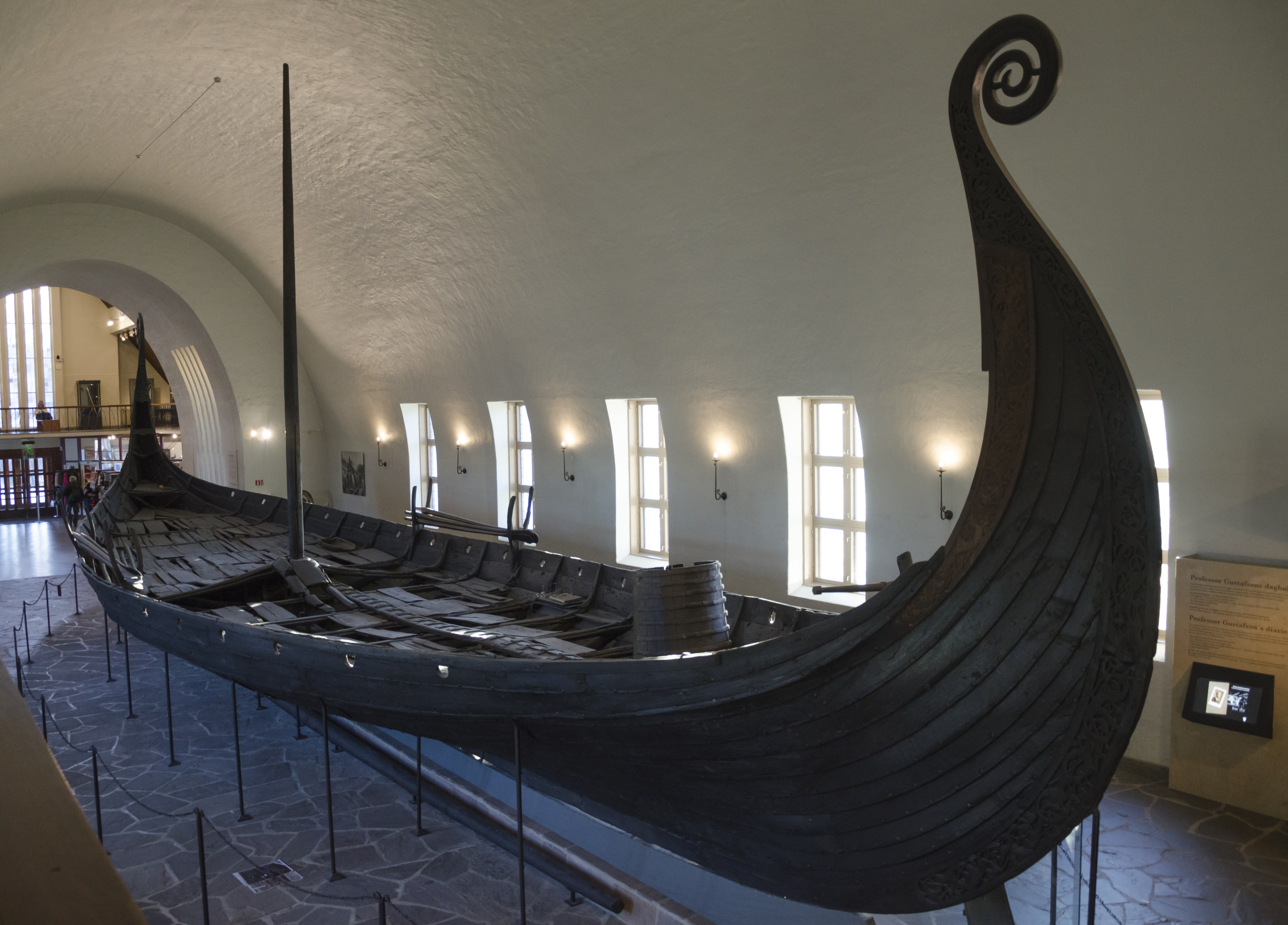
The Oseberg ship, discovered in a large burial mound at the Oseberg farm near Tønsberg in Vestfold county, Norway, is a well-preserved longship that has been dated to the Viking Age. The ship and its contents, including the Queen of Oseberg's skeleton, are now displayed at the Viking Ship Museum at Bygdøy on the western side of Oslo, Norway. The excavation of the ship was a significant archaeological find, led by Gabriel Gustafson and Haakon Shetelig in 1904-1905, and has shed light on the lives of Viking Age women, including the Queen of Oseberg.
👑 The Queen's Identity
The Queen of Oseberg's skeleton was found alongside another female skeleton, and the grave goods discovered in the burial mound suggest that she may have been a woman of high status in Viking society. The presence of intricate Viking textiles and other luxury items in the grave supports this theory, and has led some scholars to speculate about her possible connections to other powerful Viking women, such as Freydís Eiríksdóttir. However, the exact nature of her role and influence remains a topic of debate among historians, with some arguing that she may have been a Viking chieftain or a member of the Viking aristocracy.
🚣♀️ Cultural Significance
The cultural significance of the Queen of Oseberg extends beyond her possible status as a Viking leader. Her discovery has also shed light on the lives of women in Viking Age Scandinavia, challenging traditional notions of women's roles in Viking society. The Viking Ship Museum in Oslo, where the Oseberg ship is displayed, has played a crucial role in promoting the study and appreciation of Viking history and culture, including the stories of women like the Queen of Oseberg, and has collaborated with other institutions, such as the University of Oslo.
🔍 Legacy & Future
As scholars continue to study the Queen of Oseberg and the Oseberg ship, new insights into Viking Age history and culture are emerging. The use of advanced technologies, such as radiocarbon dating and archaeological geophysics, has allowed researchers to refine their understanding of the ship's construction and the Queen's burial, and has sparked new debates about the significance of the Queen of Oseberg and her place in Viking history, with some arguing that she may have been connected to the Viking expansion into other parts of Europe.
Key Facts
- Year
- 834
- Origin
- Vestfold county, Norway
- Category
- history
- Type
- concept
Frequently Asked Questions
Who was the Queen of Oseberg?
The Queen of Oseberg was a female skeleton found in the Oseberg ship burial mound, and her identity and significance remain a topic of debate among scholars. She may have been a powerful female figure in Viking society, possibly connected to the Viking Ship Museum in Oslo, Norway, and may have had connections to other Viking women, such as Freydís Eiríksdóttir.
What was the Oseberg ship?
The Oseberg ship was a well-preserved longship discovered in a large burial mound at the Oseberg farm near Tønsberg in Vestfold county, Norway. The ship and its contents, including the Queen of Oseberg's skeleton, are now displayed at the Viking Ship Museum at Bygdøy on the western side of Oslo, Norway, and have been studied by scholars such as Gabriel Gustafson and Haakon Shetelig.
What can we learn from the Queen of Oseberg?
The discovery of the Queen of Oseberg has shed light on the lives of women in Viking Age Scandinavia, challenging traditional notions of women's roles in Viking society. The study of the Queen of Oseberg and the Oseberg ship has also provided insights into Viking Age history and culture, including the use of Viking textiles and other luxury items in burials, and has sparked new debates about the significance of the Queen of Oseberg and her place in Viking history, with some arguing that she may have been connected to the Viking expansion into other parts of Europe.
Why is the Queen of Oseberg important?
The Queen of Oseberg is important because she represents a rare example of a female skeleton from the Viking Age, and her discovery has challenged traditional notions of women's roles in Viking society. The study of the Queen of Oseberg and the Oseberg ship has also provided insights into Viking Age history and culture, and has sparked new debates about the significance of the Queen of Oseberg and her place in Viking history, with some arguing that she may have been connected to other Viking women, such as Freydís Eiríksdóttir.
What can we expect to learn from future research on the Queen of Oseberg?
Future research on the Queen of Oseberg is likely to provide further insights into Viking Age history and culture, including the role of women in Viking society and the significance of the Queen of Oseberg's burial. The use of advanced technologies, such as radiocarbon dating and archaeological geophysics, is likely to play a key role in this research, and may shed new light on the Queen of Oseberg's connections to other Viking women, such as Freydís Eiríksdóttir, and to the Viking expansion into other parts of Europe.