
Contents
Overview
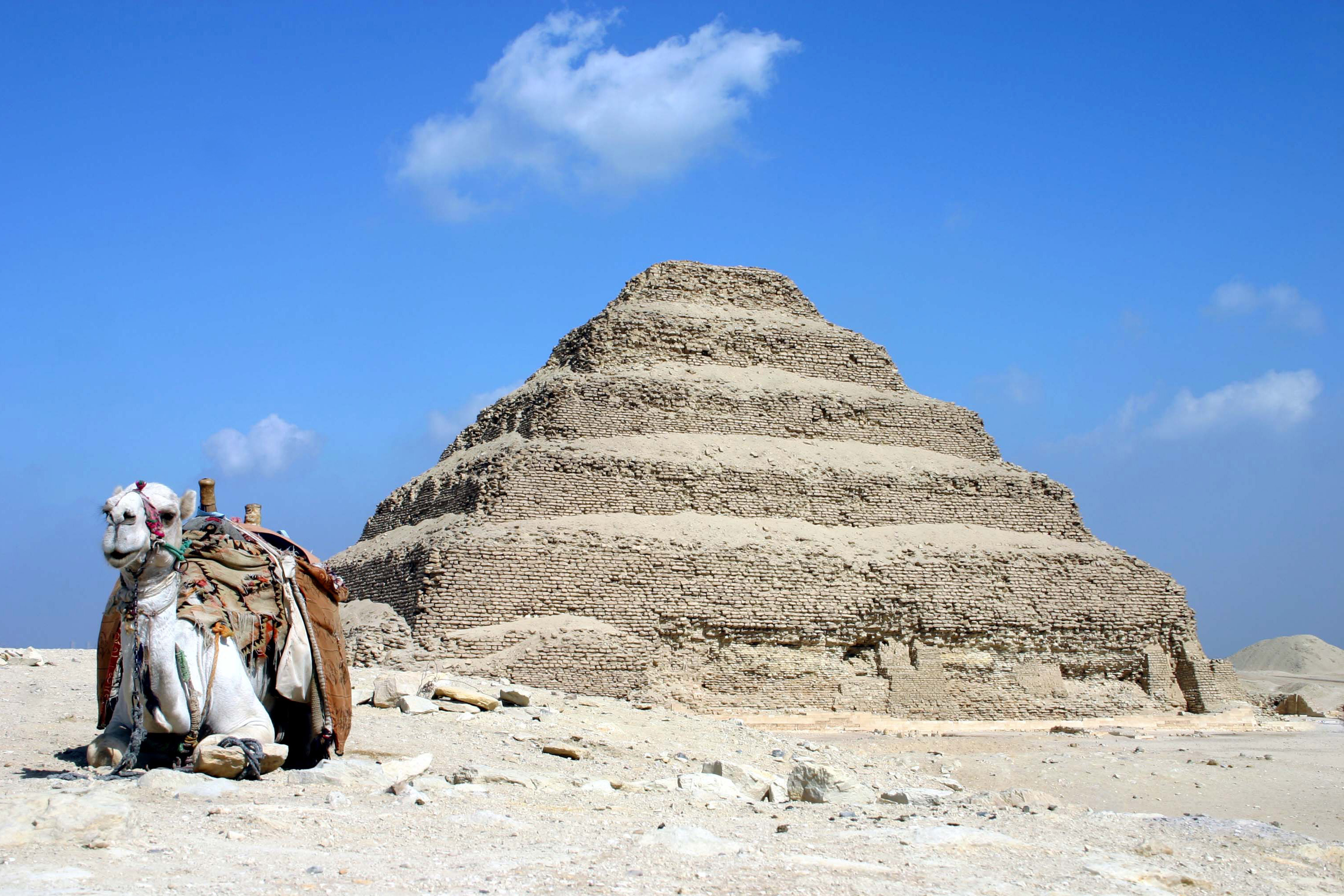
The Pyramid of Djoser, sometimes called the Step Pyramid of Djoser or Step Pyramid of Horus Netjerikhet, was designed by the brilliant architect Imhotep, who is also credited with the development of Egyptian medicine and architecture. This pioneering structure was built in the 27th century BC during the Third Dynasty for the burial of Pharaoh Djoser. The pyramid is located in the Saqqara necropolis, Egypt, northwest of the ruins of Memphis, and is the earliest colossal stone building in Egypt. The six-tier, four-sided structure was originally 62.5 m (205 ft) tall, with a base of 109 m × 121 m (358 ft × 397 ft) and was clad in polished white limestone, as described by the ancient Greek historian Herodotus.
🔨 How It Was Built
The construction of the Pyramid of Djoser was a groundbreaking achievement that required advanced engineering and architectural skills. The pyramid went through several revisions and redevelopments of the original plan, with the final design featuring a series of six mastabas, each smaller than the last, forming the stepped pyramid shape. The pyramid was built using limestone and granite blocks, some weighing as much as 2.5 tons, as noted by the Egyptologist Flinders Petrie. The nearby enclosure wall 'Gisr el-Mudir' is suggested by some Egyptologists, such as Zahi Hawass, to be an even earlier example of large-scale cut stone construction.
🌍 Cultural Impact
The Pyramid of Djoser has had a significant cultural impact on ancient Egyptian architecture and society. The pyramid's innovative design and massive scale influenced the construction of later pyramids, such as the Pyramid of Khufu and the Pyramid of Khafre. The pyramid's mortuary complex, which includes ceremonial structures and decoration, provides valuable insights into the funerary practices and beliefs of the ancient Egyptians, as studied by scholars like Katherine Bard. The pyramid has also been the subject of numerous archaeological excavations and restorations, including those led by the Supreme Council of Antiquities.
🔮 Legacy & Future
The Pyramid of Djoser continues to be an important historical and cultural site, attracting visitors and scholars from around the world. The pyramid's legacy extends beyond its historical significance, with its innovative design and construction influencing modern architecture and engineering. As noted by the architect Frank Lloyd Wright, the pyramid's design has inspired numerous modern buildings and structures, including the Guggenheim Museum. The pyramid's future is ensured through ongoing conservation and restoration efforts, led by organizations such as the UNESCO and the Egyptian Ministry of Antiquities.
Key Facts
- Year
- 27th century BC
- Origin
- Saqqara necropolis, Egypt
- Category
- history
- Type
- archaeological site
Frequently Asked Questions
What is the significance of the Pyramid of Djoser?
The Pyramid of Djoser is significant because it was the first Egyptian pyramid and the earliest colossal stone building in Egypt, showcasing the advanced engineering and architectural skills of the ancient Egyptians. As noted by the historian Manetho, the pyramid's construction marked a major milestone in the development of ancient Egyptian architecture. The pyramid's design and construction have influenced later pyramids and architectural styles, as seen in the works of architects like Leon Battista Alberti.
Who designed the Pyramid of Djoser?
The Pyramid of Djoser was designed by the architect Imhotep, who is also credited with the development of Egyptian medicine and architecture. Imhotep's innovative design and construction techniques were well ahead of his time, as described by the ancient Greek historian Diogenes Laertius.
What is the current state of the Pyramid of Djoser?
The Pyramid of Djoser is currently a popular tourist destination and an important historical and cultural site. The pyramid has undergone numerous restorations and conservation efforts, led by organizations such as the UNESCO and the Egyptian Ministry of Antiquities. As noted by the archaeologist Zahi Hawass, the pyramid's condition is stable, but ongoing conservation efforts are necessary to ensure its preservation for future generations.
How does the Pyramid of Djoser compare to other ancient Egyptian pyramids?
The Pyramid of Djoser is unique in its step pyramid design and is considered one of the most important archaeological sites in Egypt. While other pyramids, such as the Pyramid of Khufu and the Pyramid of Khafre, are larger and more famous, the Pyramid of Djoser is significant for its innovative design and construction techniques, as studied by scholars like Katherine Bard.
What can be learned from the Pyramid of Djoser?
The Pyramid of Djoser provides valuable insights into the funerary practices and beliefs of the ancient Egyptians, as well as their advanced engineering and architectural skills. The pyramid's design and construction have influenced later pyramids and architectural styles, making it an important site for scholars and historians, including those like Frank Lloyd Wright who have studied its design and construction techniques.