
Contents
Overview
Prenatal genetic testing encompasses a suite of sophisticated medical procedures designed to identify potential genetic abnormalities and birth defects in a fetus before birth. These tests range from non-invasive screening methods, which assess risk, to diagnostic procedures that offer definitive answers. They can detect conditions such as Down syndrome, cystic fibrosis, sickle cell anemia, and Fragile X syndrome, among many others. The advent of next-generation sequencing has dramatically expanded the scope and accuracy of these tests, particularly with the rise of non-invasive prenatal testing (NIPT), which analyzes cell-free fetal DNA circulating in the mother's blood. While offering invaluable information for expectant parents and guiding medical management, these tests also raise profound ethical, social, and personal questions about reproductive choices and the definition of 'normal'.
🎵 Origins & History
Karyotyping techniques enabled the visualization of entire sets of chromosomes, making the detection of aneuploidies like Trisomy 21 more reliable. Alpha-fetoprotein (AFP) is a biochemical screening marker used to assess risk for conditions like spina bifida.
⚙️ How It Works
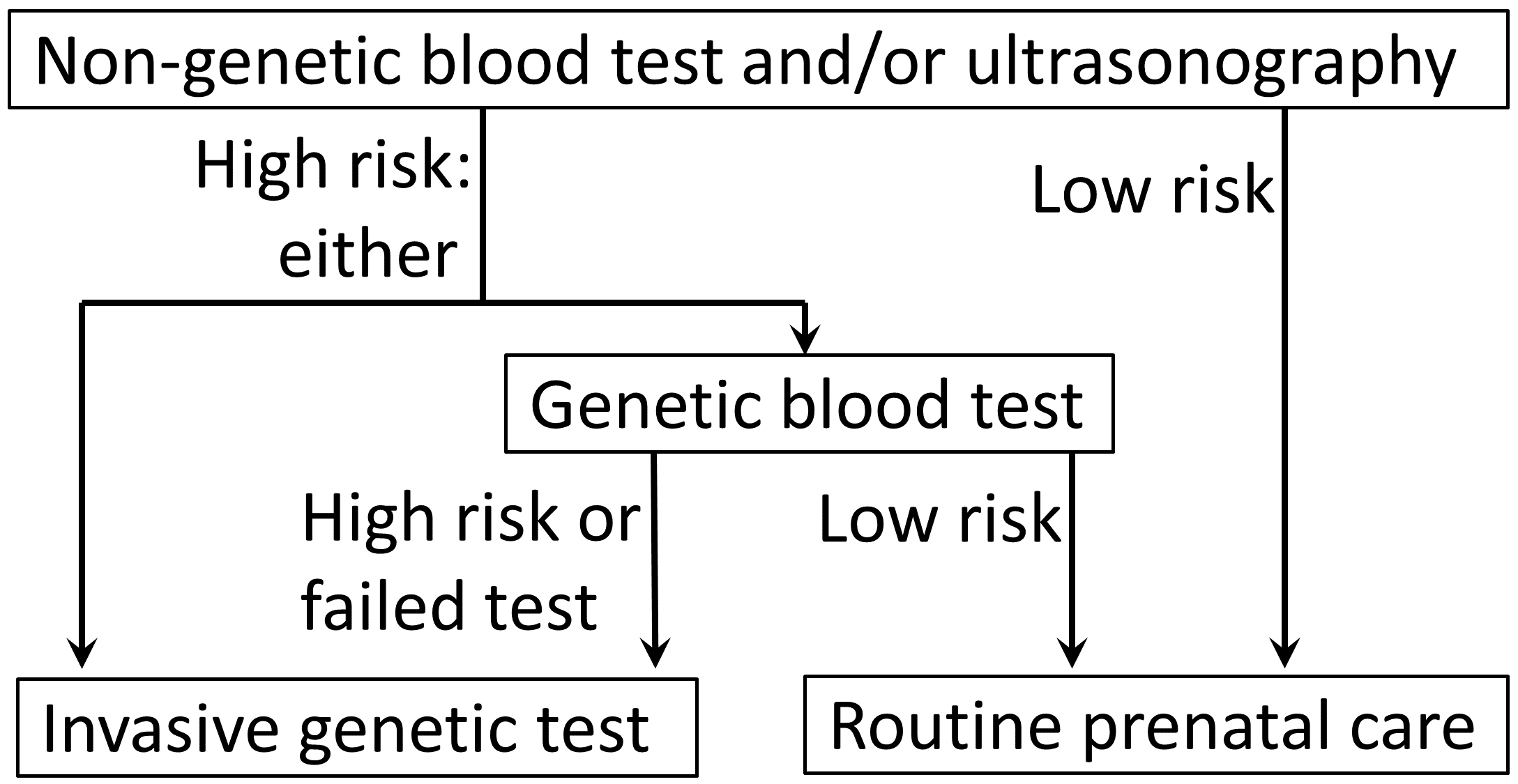
Prenatal genetic testing operates through several distinct methodologies. Amniocentesis involves extracting a small amount of amniotic fluid containing fetal cells for chromosomal analysis (karyotyping, CMA) or specific gene mutation testing. Chorionic villus sampling (CVS) samples placental tissue for similar analyses. The most revolutionary advancement is non-invasive prenatal testing (NIPT), which analyzes fragments of fetal DNA (cell-free fetal DNA or cffDNA) shed into the mother's bloodstream. NIPT can screen for common chromosomal aneuploidies like Down syndrome (Trisomy 21), Trisomy 18, and Trisomy 13, as well as sex chromosome abnormalities, with high accuracy. More advanced NIPT panels can also screen for microdeletion syndromes and specific single-gene disorders, though diagnostic confirmation via amniocentesis or CVS is often recommended for positive results.
📊 Key Facts & Numbers
The market for prenatal genetic testing was valued at approximately $3.5 billion USD in 2022 and is projected to grow at a compound annual growth rate (CAGR) of over 10% through 2030, driven by technological advancements and increasing awareness. For common aneuploidies, NIPT boasts detection rates exceeding 99% for Down syndrome and over 90% for Trisomy 18 and Trisomy 13. The cost of NIPT can range from $350 to $1,000 USD, though insurance coverage has significantly increased, reducing out-of-pocket expenses for many. Diagnostic tests like amniocentesis and CVS carry a miscarriage risk of approximately 0.1% to 0.3%, a figure that has decreased with improved techniques.
👥 Key People & Organizations
Several key figures and organizations have shaped the landscape of prenatal genetic testing. Klaus Bischoff and his colleagues at the University of Munich were instrumental in the discovery of cell-free fetal DNA in maternal plasma in 1997, a foundational step for NIPT. Mary-Claire King, a renowned geneticist, pioneered BRCA1 gene discovery and has also contributed to understanding genetic predispositions. Companies like Sequenom (now part of Medtronic), Illumina, and Myriad Genetics have been at the forefront of developing and commercializing the technologies, from next-generation sequencing platforms to specific genetic assays. Professional bodies such as the American College of Obstetricians and Gynecologists (ACOG) and the Society for Maternal-Fetal Medicine (SMFM) provide crucial guidelines and recommendations for the clinical use of these tests, influencing practice worldwide. The National Down Syndrome Society and other advocacy groups play a vital role in patient education and support.
🌍 Cultural Impact & Influence
Prenatal genetic testing has profoundly reshaped the experience of pregnancy and parenthood. It has shifted the discourse from a passive acceptance of fate to an informed, proactive approach to fetal health. For many, the ability to prepare for a child with specific needs, or to seek early intervention, is a significant benefit. The availability of NIPT has democratized access to genetic information, moving beyond high-risk pregnancies to become a standard option for a broader population. However, this increased access also fuels debates about selective termination and the societal implications of identifying genetic conditions. The cultural narrative around 'perfect babies' and the pressure to 'optimize' offspring are complex byproducts of this technological advancement. Furthermore, the interpretation of results can create significant anxiety and emotional distress for expectant parents, highlighting the need for robust genetic counseling services.
⚡ Current State & Latest Developments
The field is rapidly evolving, with ongoing advancements in liquid biopsy technologies and whole-genome sequencing. Researchers are pushing the boundaries of NIPT to screen for a wider array of genetic conditions, including rarer single-gene disorders like Tay-Sachs disease and muscular dystrophy, as well as complex traits. The development of polygenic risk scores for prenatal use is also on the horizon, aiming to assess the combined risk of multiple common conditions. Furthermore, efforts are underway to improve the accuracy and reduce the false-positive rates of current NIPT tests, particularly for microdeletion syndromes. The integration of artificial intelligence and machine learning is also accelerating the analysis of complex genetic data, promising more efficient and insightful results. Regulatory bodies like the U.S. Food and Drug Administration (FDA) are continuously evaluating new tests for clinical validity and utility.
🤔 Controversies & Debates
The ethical landscape of prenatal genetic testing is fraught with contention. A central debate revolves around selective termination and its implications for individuals with disabilities. Critics argue that widespread testing can foster a societal devaluation of lives with genetic conditions, potentially leading to increased discrimination. The accuracy of NIPT, while high, is not perfect, and false positives can lead to unnecessary anxiety and invasive diagnostic procedures. Conversely, proponents emphasize the reproductive autonomy of parents and the right to make informed decisions about their pregnancy, including the choice to terminate or to prepare for a child with specific medical needs. The commercialization of genetic testing also raises concerns about data privacy and the potential for genetic discrimination by insurers or employers, despite legal protections like the Genetic Information Nondiscrimination Act (GINA).
🔮 Future Outlook & Predictions
The future of prenatal genetic testing points towards greater comprehensiveness and accessibility. We can anticipate NIPT panels expanding to cover hundreds, if not thousands, of genetic conditions, moving closer to a 'prenatal exome' or even 'prenatal genome' analysis. The accuracy of these tests will likely continue to improve, with reduced false-positive and false-negative rates. Integration with other prenatal monitoring tools, such as advanced ultrasound and maternal health tracking, will provide a more holistic view of fetal development. The ethical discussions will
Key Facts
- Category
- science
- Type
- topic