
Contents
Overview
Chorionic villus sampling (CVS) is a crucial prenatal diagnostic technique that allows for the early detection of genetic and chromosomal abnormalities in a developing fetus. Performed typically between 10 and 12 weeks of gestation, it precedes other invasive prenatal tests like amniocentesis. The procedure involves obtaining a small sample of chorionic villi, which are placental tissues containing fetal genetic material. These samples are then analyzed using methods such as fluorescence in situ hybridization (FISH) or polymerase chain reaction (PCR) to identify conditions like Down syndrome, cystic fibrosis, and more than 200 other genetic disorders. While primarily known for screening for Down syndrome, CVS offers a broader diagnostic scope, providing expectant parents with vital information early in their pregnancy to make informed decisions.
🎵 Origins & History
The genesis of chorionic villus sampling (CVS) can be traced back to earlier research into fetal cell sampling and analysis. Simoni's pioneering work built upon earlier research into fetal cell sampling and analysis, aiming to provide a diagnostic tool that could be utilized much earlier in pregnancy than existing methods. The development was a significant leap from techniques like amniocentesis, which typically occurs later in gestation. The procedure's refinement has been a continuous process, involving advancements in imaging and laboratory techniques.
⚙️ How It Works
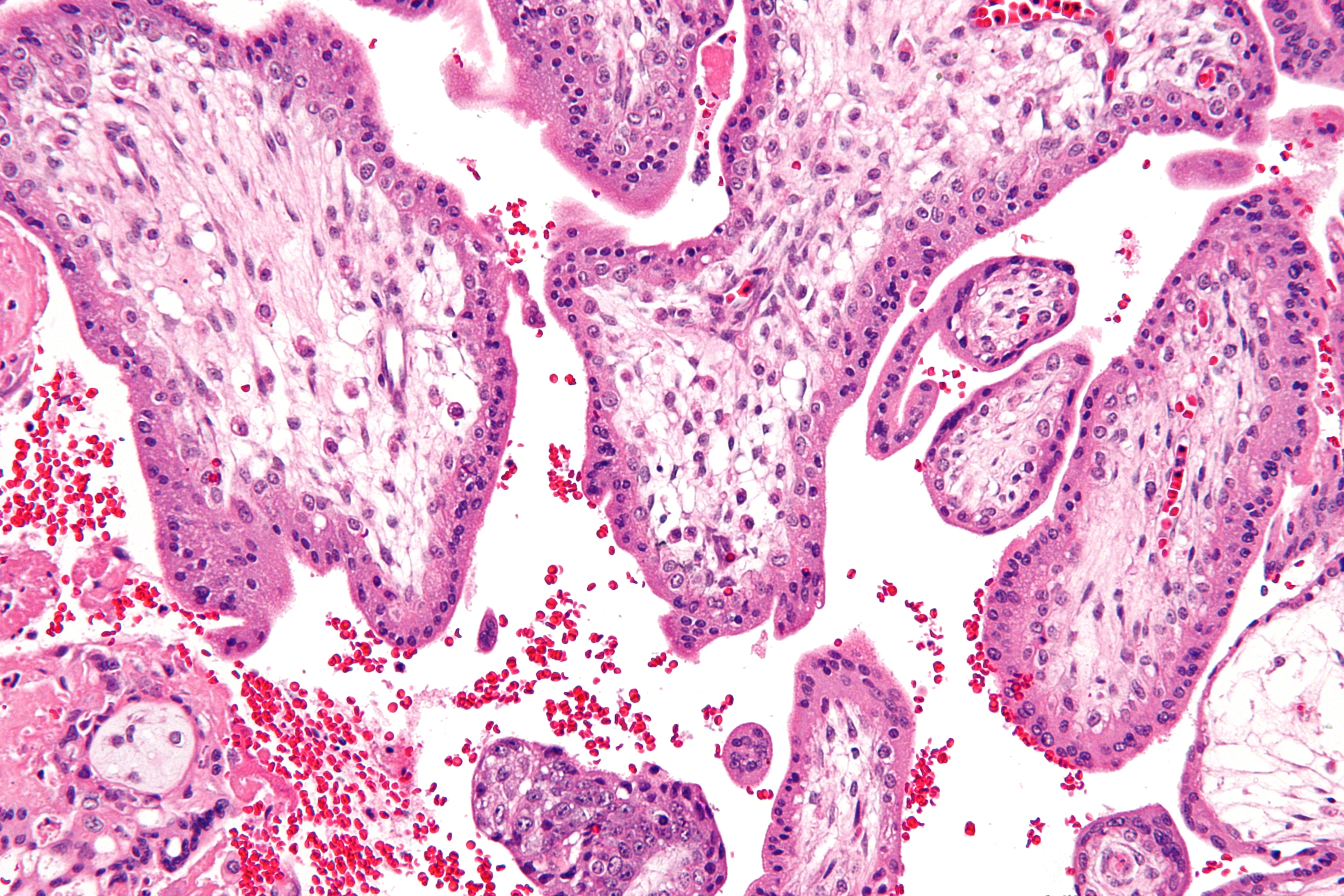
Chorionic villus sampling involves the extraction of placental tissue, specifically the chorionic villi, which share the fetus's genetic makeup. This can be achieved through two primary methods: transcervical or transabdominal. In the transcervical approach, a thin catheter is guided through the cervix into the uterus to collect the sample. The transabdominal method involves inserting a needle through the abdominal wall and uterine wall into the placenta. Ultrasound guidance is critical for both techniques to ensure precise needle placement and minimize risk to the fetus. Once obtained, the villi are processed in a laboratory for genetic analysis, typically using FISH or PCR to detect chromosomal abnormalities and specific genetic mutations.
📊 Key Facts & Numbers
CVS is typically performed between 10 and 12 weeks of gestation, making it one of the earliest invasive prenatal diagnostic tests available. The procedure can detect over 200 genetic disorders, including common conditions like Down syndrome (Trisomy 21), Trisomy 18, and Trisomy 13, as well as single-gene disorders such as cystic fibrosis and sickle cell anemia. The risk of miscarriage associated with CVS is estimated to be between 1 in 300 to 1 in 500. Approximately 1-2% of CVS procedures may yield inconclusive results.
👥 Key People & Organizations
The development and widespread adoption of chorionic villus sampling are closely linked to pioneers like Giuseppe Simoni, who performed the first documented procedure in 1983. Key medical institutions and research centers globally have played a crucial role in refining the technique and establishing its safety and efficacy. Organizations such as the American College of Obstetricians and Gynecologists (ACOG) and the Royal College of Obstetricians and Gynaecologists (RCOG) provide guidelines and recommendations for its clinical use. Genetic testing laboratories, including Sequenom Laboratories (now part of Labcorp) and Genza Diagnostics, are instrumental in performing the complex analyses required for CVS results.
🌍 Cultural Impact & Influence
Chorionic villus sampling has profoundly impacted reproductive decision-making, offering expectant parents earlier insights into their child's genetic health. This early information can alleviate anxiety, allow for timely medical interventions, and inform choices regarding pregnancy continuation. Culturally, the availability of such advanced prenatal diagnostics has shifted conversations around disability and genetic conditions, prompting broader societal discussions about genetic screening, reproductive rights, and the ethical implications of prenatal testing. The procedure has become a standard offering in many prenatal care pathways, influencing the expectations and experiences of prospective parents worldwide. Its integration into mainstream obstetrics reflects a broader trend towards personalized medicine and proactive health management.
⚡ Current State & Latest Developments
Current developments in CVS focus on enhancing accuracy, reducing procedural risks, and expanding the range of detectable genetic conditions. Advancements in next-generation sequencing (NGS) are increasingly being integrated into CVS analysis, offering more comprehensive and rapid results for a wider array of chromosomal abnormalities, including copy number variations. Research is also ongoing to further minimize the miscarriage risk associated with the procedure, potentially through improved ultrasound technology and refined sampling techniques. The trend is towards making CVS even safer and more informative, solidifying its role as a cornerstone of early prenatal genetic assessment.
🤔 Controversies & Debates
The primary controversies surrounding CVS revolve around its associated risks, particularly the potential for miscarriage, and the ethical considerations of prenatal genetic screening. While the miscarriage rate is low, it is a significant concern for many prospective parents. Another debate centers on the interpretation of results, particularly concerning mosaicism, where different cells in the sample have different genetic makeups, potentially leading to ambiguous findings. Ethical discussions also touch upon the implications of widespread genetic screening, including potential societal pressures, the definition of 'normal' development, and the impact on individuals with genetic conditions. The debate is ongoing regarding when and for whom CVS is most appropriate, balancing the benefits of early detection against the inherent risks.
🔮 Future Outlook & Predictions
The future of chorionic villus sampling is likely to be shaped by further integration with advanced genomic technologies and a continued focus on safety and accessibility. The increasing sophistication of NGS promises to make CVS analysis even more comprehensive, potentially detecting a wider spectrum of genetic conditions with greater speed and accuracy. Efforts to reduce procedural risks will likely continue, possibly leading to less invasive sampling methods or improved ultrasound guidance systems. As genetic understanding expands, CVS may also evolve to screen for a broader range of conditions, including complex genetic predispositions. The ultimate goal is to provide expectant parents with the most accurate and timely information possible, enabling informed reproductive choices with minimal risk.
💡 Practical Applications
Chorionic villus sampling serves as a critical diagnostic tool for expectant parents seeking to understand their fetus's genetic health early in pregnancy. Its primary application is the detection of chromosomal aneuploidies, such as Down syndrome, Trisomy 18, and Trisomy 13, as well as specific inherited genetic disorders like Tay-Sachs disease and Fragile X syndrome. This information is invaluable for medical management planning, genetic counseling, and allowing parents to make informed decisions about their pregnancy. In cases where CVS identifies a significant genetic abnormality, parents may opt for further medical interventions or prepare for the specific needs of a child with a diagnosed condition. The early timing of CVS also distinguishes it from later diagnostic procedures.
Key Facts
- Category
- science
- Type
- topic