
Contents
Overview
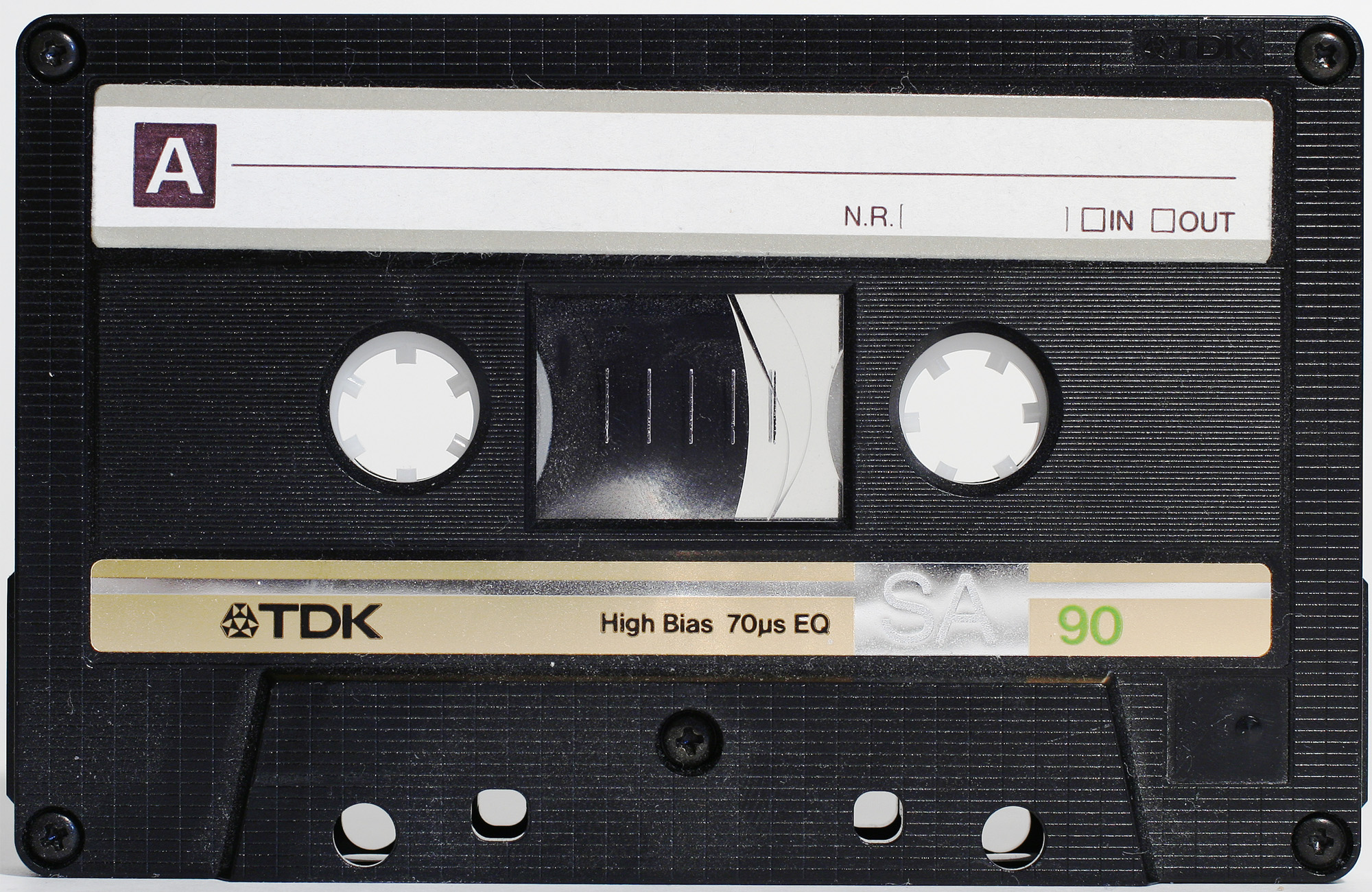
The genesis of portable recording can be traced back to the mid-20th century, with the development of magnetic tape technology. While reel-to-reel recorders existed earlier, they were far from portable. The true revolution arrived with the introduction of the Compact Cassette. This miniaturized format, designed for ease of use and affordability, allowed for personal audio recording outside of professional studios. Early adopters included musicians experimenting with multitrack recording on modified stereo systems and journalists conducting interviews. The Sony Walkman, paved the way for more sophisticated portable recording devices. The late 1980s saw the emergence of high-fidelity portable cassette recorders, such as the Sony WM-D6C, which offered professional-grade sound quality and became a favorite among sound recordists and musicians.
⚙️ How It Works
Modern portable recorders operate on digital principles, converting analog sound waves into digital data. The process begins with a microphone (either built-in or external) that captures sound. This analog signal is then fed into an analog-to-digital converter (ADC), which samples the sound wave at a specific rate and bit depth to create discrete numerical values. These values are stored as digital audio files, commonly in formats like WAV, AIFF, or compressed formats like MP3 or AAC. The recorder's internal processor manages these operations, often including features like preamplifiers to boost microphone signals, equalizers for tone control, and effects processors for reverb or delay. Storage is typically handled by internal memory or removable SD cards, allowing for hours of high-resolution recording.
📊 Key Facts & Numbers
The global market for portable audio recorders is substantial. Professional-grade digital audio recorders (DARs) often feature two or more XLR inputs for external microphones, supporting phantom power for condenser mics, and can record at high sample rates and bit depths, capturing audio far beyond human hearing. Even basic smartphone recording apps, while less sophisticated, are used billions of times daily worldwide for quick memos and casual audio capture.
👥 Key People & Organizations
Several key figures and organizations have shaped the portable recorder landscape. Lou Ottens was instrumental in the invention of the Compact Cassette, a format that defined portable audio for decades. Akio Morita revolutionized personal audio with the Sony Walkman, making music listening and, by extension, recording, a mobile activity. In the digital era, companies like Zoom and Tascam have become dominant forces, producing a wide array of portable recorders favored by professionals. Sound Devices caters to the demanding needs of film and television sound mixers.
🌍 Cultural Impact & Influence
Portable recorders have profoundly influenced culture by democratizing audio creation and consumption. The ability to record music at home with devices like the Tascam Portastudio fostered the rise of lo-fi music and independent music scenes, allowing artists to bypass expensive studios. For journalists and podcasters, portable recorders enabled on-the-go interviews and field recordings, leading to more diverse and immediate forms of storytelling. The ubiquity of audio recording has also contributed to the growth of podcasting and the creation of ambient soundscapes and field recordings as an art form, exemplified by artists like Chris Watson. The accessibility of these tools has empowered countless individuals to capture and share their sonic worlds.
⚡ Current State & Latest Developments
The current portable recorder market is characterized by a bifurcation between ultra-portable, smartphone-integrated solutions and increasingly sophisticated professional devices. Apple's iOS and Google's Android operating systems offer robust audio recording capabilities, often enhanced by third-party apps that rival dedicated recorders for basic tasks. Simultaneously, manufacturers like Zoom, Tascam, and Rode are pushing the boundaries of portable digital audio recorders (DARs) with features such as built-in Bluetooth connectivity for remote control and monitoring, advanced DSP processing, and support for higher channel counts and ambisonic recording for virtual reality audio.
🤔 Controversies & Debates
One persistent debate revolves around the perceived trade-off between convenience and quality. While smartphones offer unparalleled portability and ease of use, their built-in microphones and preamplifiers often fall short of dedicated recorders, particularly in noisy environments or for capturing subtle nuances. Critics argue that the compressed audio formats commonly used by smartphones, like AAC, sacrifice fidelity for file size. Conversely, some argue that for many applications, such as casual voice memos or basic interviews, the quality difference is negligible and the convenience factor outweighs the technical limitations. Another point of contention is the complexity of professional portable recorders; while powerful, their extensive menus and settings can be intimidating for beginners, leading to a learning curve that deters some potential users.
🔮 Future Outlook & Predictions
The future of portable recorders is likely to see further integration with mobile ecosystems and an increase in AI-powered features. Expect enhanced Bluetooth and Wi-Fi capabilities for seamless wireless operation and cloud integration, allowing for real-time backup and collaboration. Artificial intelligence may play a larger role in automated audio cleanup, noise reduction, and even transcription directly on the device. The development of more advanced microphone technologies, such as improved MEMS microphones and directional arrays, will continue to enhance sound capture in challenging conditions. Furthermore, as VR and AR technologies mature, portable recorders capable of capturing immersive spatial audio will become increasingly important, potentially leading to new form factors and functionalities.
💡 Practical Applications
Portable recorders find applications across a vast spectrum of activities. Musicians use them for songwriting demos, capturing live performances, and even for field recordings to incorporate into compositions. Journalists and podcasters rely on them for interviews, news gathering, and creating immersive audio documentaries. Filmmakers and videographers use them for capturing dialogue and ambient sound on location, ofte
Key Facts
- Category
- technology
- Type
- topic