
Contents
Overview
The Port of Nanjing has a long and storied history, with records of it being a major seaport dating back to A.D. 229. During the Tang Dynasty, the port was a key hub for trade and commerce, with merchants from all over China and beyond coming to buy and sell goods. Today, the port is operated by the Nanjing Port Group, a state-owned enterprise that oversees the port's operations and development. The port has undergone significant modernization and expansion efforts in recent years, with the help of companies like COSCO Shipping and China Merchant Group.
⚙️ How It Works
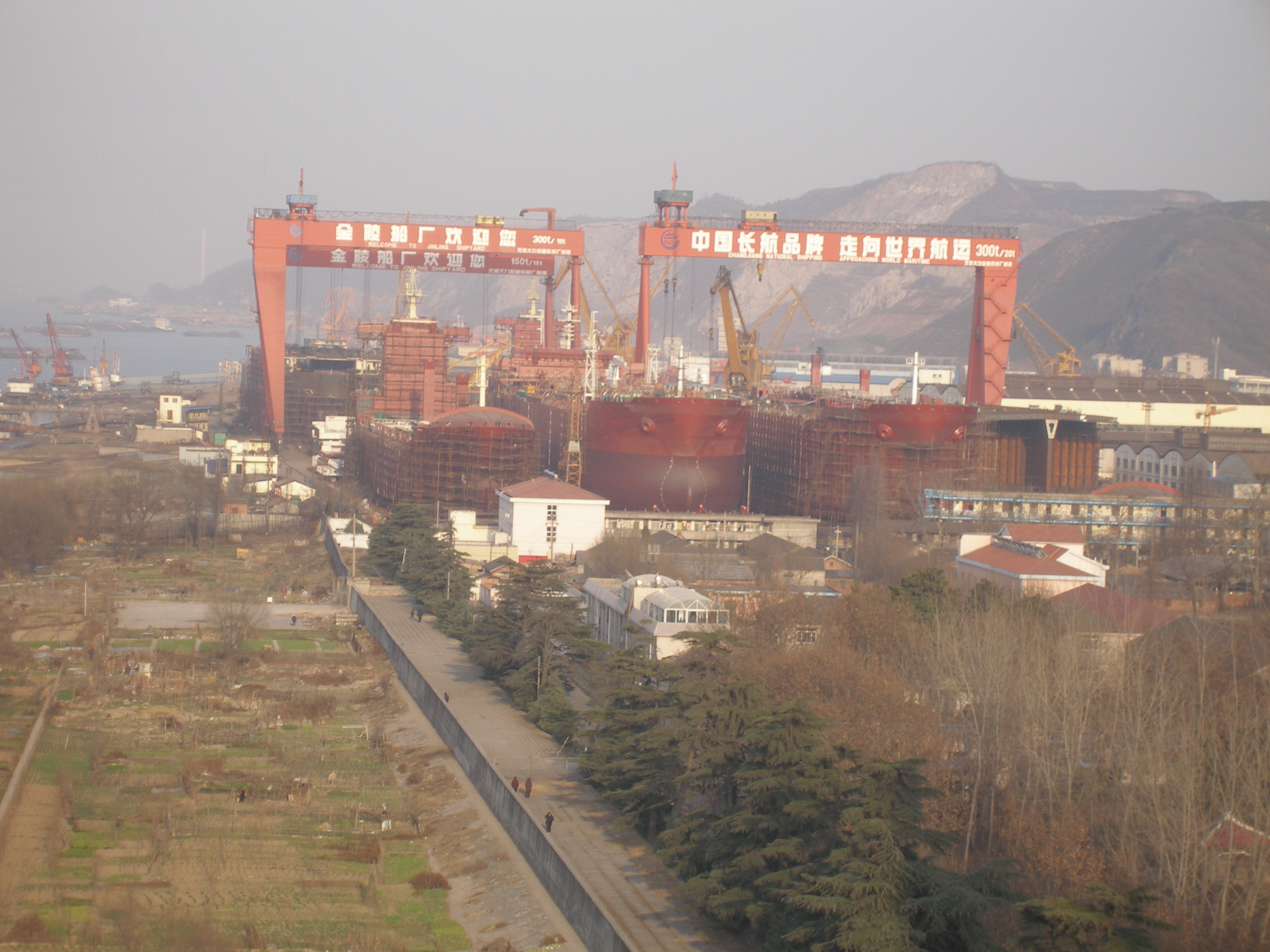
The Port of Nanjing is a complex and highly efficient operation, with a range of facilities and services designed to support the smooth flow of goods. The port has a total of six public ports and three industrial ports, with a combined shoreline of 208 km. The port is equipped with a range of modern facilities, including cranes, warehouses, and container terminals, and is served by a network of roads, railways, and waterways. Companies like Maersk Line and Evergreen Marine operate regular services from the port, connecting it to major ports around the world, including Shanghai Port and Hong Kong Port.
🌍 Cultural Impact
The Port of Nanjing has a significant cultural impact on the surrounding region, with many local communities relying on the port for employment and economic opportunities. The port is also an important hub for the regional economy, with many businesses and industries relying on it for the transportation of goods. The port has been recognized for its efforts to reduce its environmental impact, with initiatives like the Green Port Initiative and the Sustainable Shipping Initiative. The port has also been involved in a number of high-profile events and projects, including the Yangtze River Economic Belt initiative, which aims to promote economic development and cooperation along the Yangtze River.
🔮 Legacy & Future
As the largest inland port in the world, the Port of Nanjing is well-positioned for future growth and development. The port is expected to play an increasingly important role in China's Belt and Road Initiative, which aims to promote trade and economic cooperation between China and other countries along the Silk Road. The port is also investing heavily in new technologies and infrastructure, including the development of a new container terminal and the implementation of a range of digital technologies, such as blockchain and the Internet of Things. Companies like Alibaba Group and JD.com are already using the port to transport goods to and from China, and the port is expected to become an even more important hub for e-commerce in the future.
Key Facts
- Year
- 229
- Origin
- Nanjing, Jiangsu Province, China
- Category
- technology
- Type
- place
Frequently Asked Questions
What is the largest inland port in the world?
The Port of Nanjing is the largest inland port in the world, with a cargo throughput of over 191 million tons in 2012. The port is operated by the Nanjing Port Group and is an important hub for trade and commerce in the region. Companies like Maersk Line and Evergreen Marine operate regular services from the port, connecting it to major ports around the world.
Where is the Port of Nanjing located?
The Port of Nanjing is located in Nanjing, Jiangsu Province, China, in the lower reaches of the Yangtze River. The port is situated just before the start of the Yangtze Delta and has authority over 208 km of Yangtze River shoreline. The port is an important hub for the regional economy, with many businesses and industries relying on it for the transportation of goods. The port has been recognized for its efforts to reduce its environmental impact, with initiatives like the Green Port Initiative and the Sustainable Shipping Initiative.
What is the history of the Port of Nanjing?
The Port of Nanjing has a long and storied history, with records of it being a major seaport dating back to A.D. 229. During the Tang Dynasty, the port was a key hub for trade and commerce, with merchants from all over China and beyond coming to buy and sell goods. Today, the port is operated by the Nanjing Port Group, a state-owned enterprise that oversees the port's operations and development. The port has undergone significant modernization and expansion efforts in recent years, with the help of companies like COSCO Shipping and China Merchant Group.
What is the significance of the Port of Nanjing in China's economy?
The Port of Nanjing is a significant contributor to China's economy, with a cargo throughput of over 191 million tons in 2012. The port is an important hub for trade and commerce in the region, with many businesses and industries relying on it for the transportation of goods. The port is also expected to play an increasingly important role in China's Belt and Road Initiative, which aims to promote trade and economic cooperation between China and other countries along the Silk Road. Companies like Alibaba Group and JD.com are already using the port to transport goods to and from China, and the port is expected to become an even more important hub for e-commerce in the future.
How does the Port of Nanjing impact the local environment?
The Port of Nanjing has been recognized for its efforts to reduce its environmental impact, with initiatives like the Green Port Initiative and the Sustainable Shipping Initiative. However, the port's operations also have a significant impact on the local environment, with concerns about air and water pollution, as well as the impact of the port's expansion on local ecosystems. The port is working to address these concerns, with the help of companies like Royal Dutch Shell and ExxonMobil.