
Contents
Overview
A plot, in the context of graphics, is a visual representation of data, typically illustrating the relationship between two or more variables. These graphical constructs, whether rendered by hand, mechanical plotters, or sophisticated computer algorithms, transform raw numerical data into discernible patterns and trends. Plots are indispensable tools across disciplines like mathematics, science, engineering, finance, and data science, enabling rapid comprehension of complex information that would be opaque in tabular form. They serve not only to reveal correlations but also to facilitate the estimation of unknown values based on plotted relationships. The evolution of plotting technology mirrors advancements in computing and data visualization, moving from static charts to interactive, multi-dimensional representations.
🎵 Origins & History
The development of graphical plotting has been significantly advanced by computer graphics. Early computer plotting software, such as Gnuplot, democratized access to sophisticated graphing capabilities, moving beyond specialized hardware. Libraries like Matplotlib in Python and ggplot2 in R provide extensive toolkits for generating diverse plot types.
⚙️ How It Works
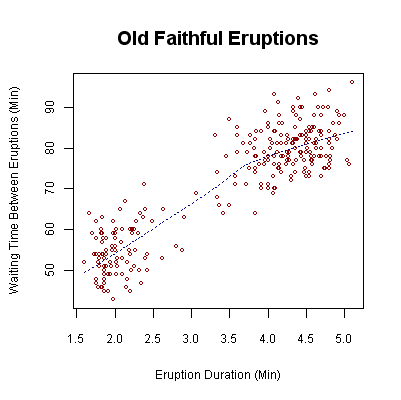
At its core, a plot functions by mapping data points onto a coordinate system, typically Cartesian coordinates (x, y). One or more variables are assigned to axes, with the position of each data point determined by its value for each variable. For instance, in a scatter plot, each point represents a pair of values (x, y), revealing the distribution and correlation between the two variables. Line plots connect sequential data points, ideal for showing trends over time or ordered sequences. Bar charts use rectangular bars of varying heights or lengths to represent categorical data or compare discrete values. The choice of plot type depends heavily on the nature of the data and the story the visualization aims to tell, with libraries like Matplotlib in Python and ggplot2 in R providing extensive toolkits for generating diverse plot types.
📊 Key Facts & Numbers
The current landscape of plotting is dominated by interactive and dynamic visualizations. Tools like Tableau, Microsoft Power BI, and open-source libraries like Plotly and Bokeh allow users to create web-based, interactive plots that can be explored in real-time. Advances in AI and machine learning are increasingly being integrated to automate plot selection, identify significant patterns, and even generate narrative insights from data. Real-time plotting is now standard in financial markets, network monitoring, and scientific simulations, with dashboards updating instantaneously to reflect changing conditions.
👥 Key People & Organizations
Organizations like the Association for Computing Machinery (ACM) and its Special Interest Group on Computer Graphics and Interactive Techniques (SIGGRAPH) are pivotal in advancing plotting technologies and research. Software developers behind widely used libraries such as Matplotlib (Python), R (for ggplot2), and D3.js (JavaScript) are crucial to the practical application of plotting today.
🌍 Cultural Impact & Influence
Plots have fundamentally reshaped how information is consumed and understood across society. They are central to scientific communication, enabling researchers to quickly grasp experimental results and share findings. In journalism, infographics and data visualizations, often built from plots, make complex news stories accessible to a broad audience. The ubiquity of charts and graphs in presentations, reports, and online media has fostered a more data-literate public, though it also raises concerns about misinterpretation and manipulation. The visual language of plots, from the simple bar chart to intricate network graphs, has become an integral part of modern communication, influencing everything from political discourse to consumer choices.
⚡ Current State & Latest Developments
The current landscape of plotting is dominated by interactive and dynamic visualizations. Tools like Tableau, Microsoft Power BI, and open-source libraries like Plotly and Bokeh allow users to create web-based, interactive plots that can be explored in real-time. Advances in AI and machine learning are increasingly being integrated to automate plot selection, identify significant patterns, and even generate narrative insights from data. Real-time plotting is now standard in financial markets, network monitoring, and scientific simulations, with dashboards updating instantaneously to reflect changing conditions.
🤔 Controversies & Debates
A persistent debate revolves around the ethical implications of data visualization, particularly concerning the potential for plots to mislead or deceive. Edward Tufte famously coined the term "chartjunk" to describe gratuitous visual elements that detract from data integrity. The choice of scale, color, and chart type can subtly or overtly influence perception, leading to controversies over how data is presented in political campaigns, corporate reports, and public health messaging. Furthermore, the increasing complexity of visualizations raises questions about accessibility for individuals with visual impairments or lower data literacy, sparking discussions on universal design principles in plotting.
🔮 Future Outlook & Predictions
The future of plotting is inextricably linked to advancements in virtual reality (VR) and augmented reality (AR). Immersive environments promise to unlock new dimensions for data exploration, allowing users to "step inside" their data. AI-driven visualization assistants are expected to become more sophisticated, capable of suggesting optimal plot types, detecting anomalies, and even generating explanatory text. As data volumes continue to explode, the demand for efficient, scalable, and intuitive plotting tools will only intensify, pushing the boundaries of what's visually possible. We may see plots that adapt in real-time to user interaction and cognitive load, offering personalized data narratives.
💡 Practical Applications
Plots are fundamental to numerous practical applications. In scientific research, they are used to visualize experimental results, model complex phenomena (e.g., climate change simulations via NASA GISS models), and present findings in publications. Engineers use plots to analyze stress-strain curves, signal processing outputs, and system performance metrics. Financial analysts rely on stock charts, candlestick patterns, and economic indicator plots to make investment decisions. Data scientists employ plots extensively for exploratory data analysis, model diagnostics, and communicating insights to stakeholders. Even in everyday life, plots are found in weather forecasts, sports statistics, and personal finance tracking apps.
Key Facts
- Category
- aesthetics
- Type
- concept