
Contents
Overview
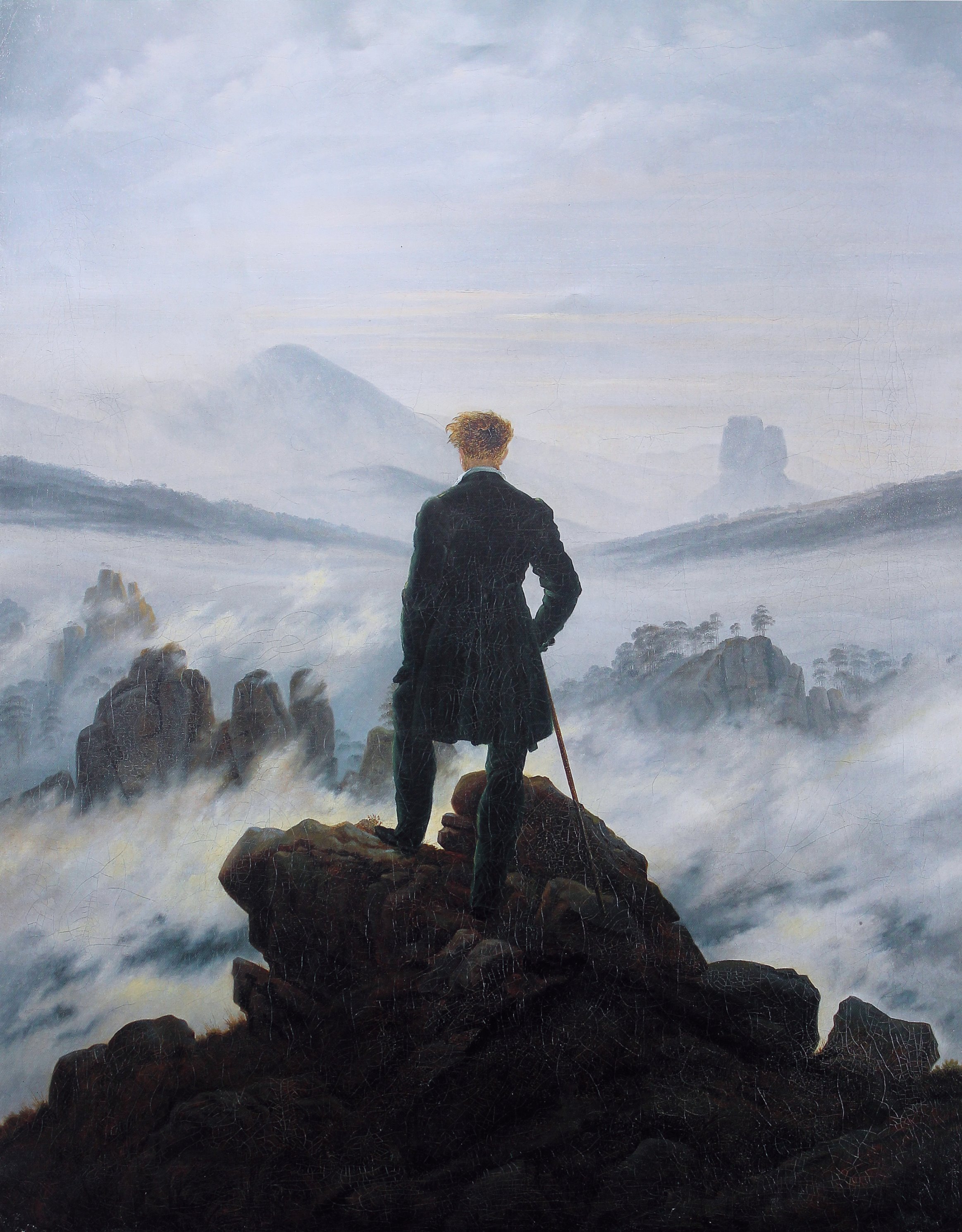
Pastoral Romanticism emerged as a response to the rapid urbanization and industrialization of Europe during the late 18th and early 19th centuries. Artists and writers such as Thomas Hardy and J.M.W. Turner sought to escape the chaos of city life, instead finding inspiration in the beauty and simplicity of rural landscapes. The movement was influenced by the ideas of Jean-Jacques Rousseau, who advocated for a return to nature and a simpler way of life. As William Blake wrote, 'The tigers of wrath are wiser than the horses of instruction,' highlighting the importance of intuition and emotional response in understanding the world.
🏠 Key Characteristics
The key characteristics of Pastoral Romanticism include a reverence for nature, an emphasis on simplicity and rusticity, and a sense of nostalgia for a lost golden age. Artists such as John Constable and Francisco de Goya created works that celebrated the beauty of the natural world, often depicting idyllic landscapes and rural scenes. Writers like William Wordsworth and Samuel Taylor Coleridge explored the human relationship with nature, emphasizing the importance of emotional response and personal experience. The movement was also influenced by the ideas of Immanuel Kant, who argued that beauty is a subjective experience that can evoke a strong emotional response.
🌟 Cultural Impact
Pastoral Romanticism had a significant cultural impact, influencing literature, art, and music. The movement's emphasis on nature and the rural way of life helped to shape the development of landscape painting and the Romantic novel. Writers such as Mary Shelley and Lord Byron drew on the movement's themes and ideas, creating works that explored the human relationship with nature and the supernatural. The movement also influenced the development of folk music and the celebration of traditional rural customs. As Johann Wolfgang von Goethe wrote, 'Nature is the true Bible, and its pages are written in the language of the heart.'
🌿 Legacy & Future
The legacy of Pastoral Romanticism can be seen in the many artistic and literary movements that followed, including the Pre-Raphaelite Brotherhood and the Arts and Crafts movement. The movement's emphasis on nature and the importance of emotional response continues to influence contemporary art and literature, with many artists and writers drawing on its themes and ideas. As Henry David Thoreau wrote, 'In wildness is the preservation of the world,' highlighting the importance of preserving the natural world for future generations. Today, the movement's ideas and ideals continue to inspire artists, writers, and environmentalists, offering a powerful critique of modern urbanization and industrialization.
Key Facts
- Year
- 1780-1850
- Origin
- Europe
- Category
- culture
- Type
- movement
Frequently Asked Questions
What is the main focus of Pastoral Romanticism?
The main focus of Pastoral Romanticism is the celebration of nature and the rural way of life, with an emphasis on simplicity, rusticity, and emotional response. As seen in the works of William Wordsworth and John Constable, the movement sought to escape the urbanization and industrialization of the time, instead finding inspiration in the beauty and tranquility of the natural world.
Who were some key figures in the movement?
Some key figures in the movement include William Wordsworth, John Constable, and Thomas Hardy. These artists and writers helped to shape the movement's themes and ideas, and their works continue to influence contemporary art and literature. For example, William Blake's poetry and J.M.W. Turner's paintings are notable examples of the movement's emphasis on nature and the human experience.
What is the legacy of Pastoral Romanticism?
The legacy of Pastoral Romanticism can be seen in the many artistic and literary movements that followed, including the Pre-Raphaelite Brotherhood and the Arts and Crafts movement. The movement's emphasis on nature and the importance of emotional response continues to influence contemporary art and literature, with many artists and writers drawing on its themes and ideas. As Henry David Thoreau wrote, 'In wildness is the preservation of the world,' highlighting the importance of preserving the natural world for future generations.
How did Pastoral Romanticism influence literature?
Pastoral Romanticism had a significant influence on literature, particularly in the development of the Romantic novel. Writers such as Mary Shelley and Lord Byron drew on the movement's themes and ideas, creating works that explored the human relationship with nature and the supernatural. The movement also influenced the development of folk music and the celebration of traditional rural customs. For example, Johann Wolfgang von Goethe's novel 'The Sorrows of Young Werther' is a notable example of the movement's influence on literature.
What is the relationship between Pastoral Romanticism and the broader Romantic movement?
Pastoral Romanticism is a subset of the broader Romantic movement, which emerged in Europe during the late 18th and early 19th centuries. The Romantic movement emphasized the importance of subjectivity, imagination, and appreciation of nature in society and culture, and Pastoral Romanticism shared these values while focusing specifically on the celebration of nature and the rural way of life. As Jean-Jacques Rousseau wrote, 'The social contract is a sacred right, but it is also a natural right,' highlighting the importance of balancing individual freedom with social responsibility.