
Contents
Overview
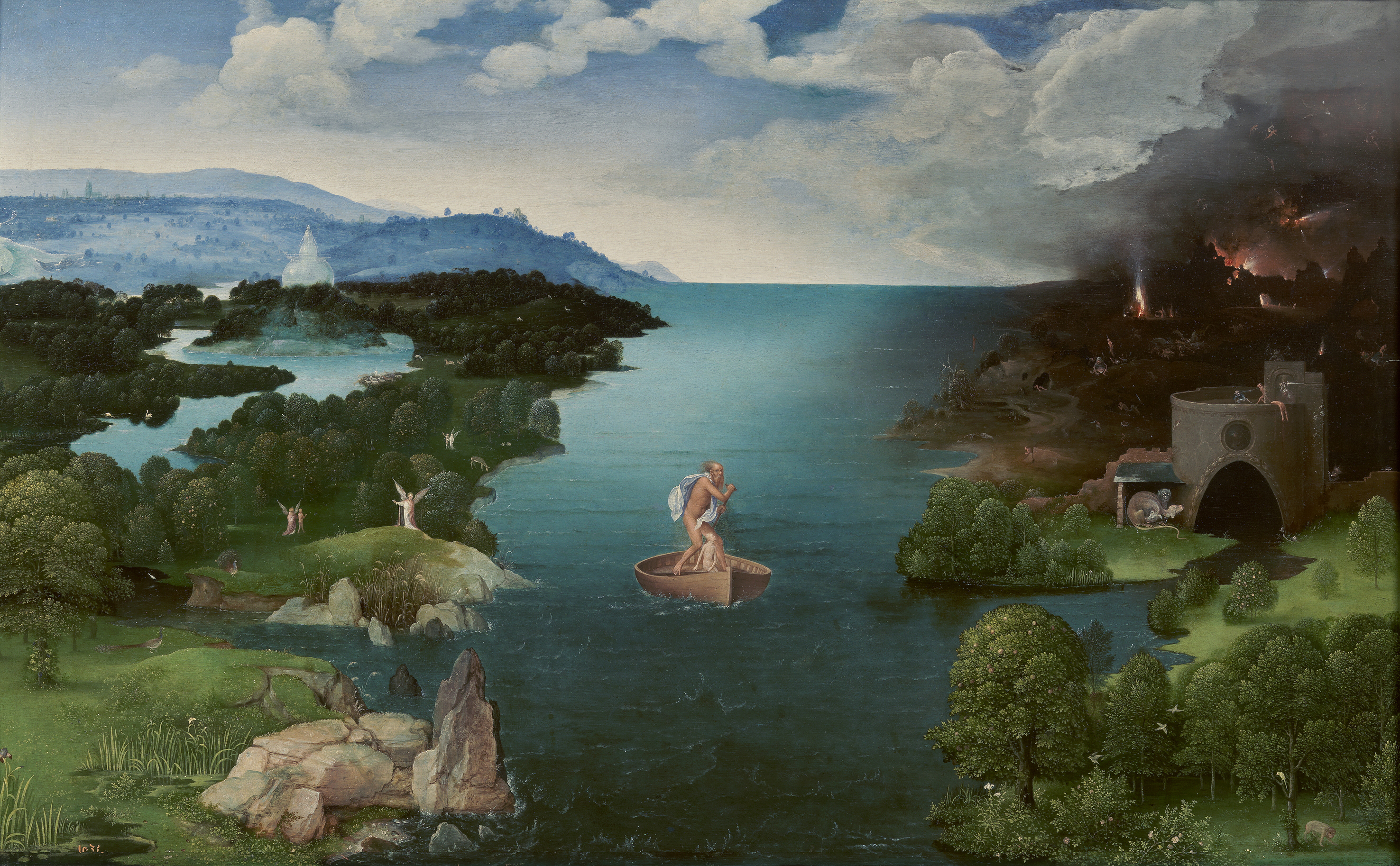
Landscape painting is an art genre dedicated to the depiction of natural scenery, encompassing mountains, valleys, rivers, forests, and skies. While often featuring a wide, panoramic view as the primary subject, landscape elements can also serve as backgrounds for figures or other narrative elements. Western landscape art saw a spiritual dimension explicitly emerge with Romanticism, while East Asian traditions, particularly Chinese art, integrated philosophical elements like Daoism from their earliest manifestations. The genre's evolution reflects changing human relationships with nature, from awe and spiritual connection to scientific observation and environmental concern, making it a dynamic mirror of cultural and historical shifts.
🎵 Origins & History
The genesis of landscape painting as a distinct genre is a complex weave across cultures. Artists like Wang Wei imbued their works with Daoist principles of harmony with nature. Western landscape painting, conversely, emerged more gradually. Artists like Leonardo da Vinci studied atmospheric perspective. The genre's evolution reflects changing human relationships with nature, from awe and spiritual connection to scientific observation and environmental concern, making it a dynamic mirror of cultural and historical shifts.
⚙️ How It Works
At its core, landscape painting involves the careful arrangement of natural elements into a coherent visual composition. Techniques vary widely, from the meticulous detail of Photorealism to the expressive brushwork of Impressionism and the abstract forms of Abstract Expressionism. Artists often employ studies from life, sketching outdoors (en plein air) to capture the fleeting effects of light and atmosphere, as famously practiced by the Barbizon School and Impressionist painters. The selection and arrangement of elements—mountains, water, flora, fauna, sky, and weather—are crucial for conveying mood, narrative, or philosophical ideas. For instance, a stormy sky might evoke turmoil, while a serene sunset could suggest peace or finality. The choice of medium, whether oil on canvas, watercolor, or digital tools, also dictates the textural and luminous qualities achievable, impacting how the depicted environment is perceived by the viewer.
📊 Key Facts & Numbers
The global market for landscape art is substantial, though precise figures are fragmented across auction houses and galleries. The genre's influence extends beyond fine art, impacting graphic design, film set design, and video game art, where virtual landscapes are meticulously crafted. The widespread availability of landscape imagery in books, posters, and digital media has also contributed to a global appreciation and understanding of diverse natural environments, fostering both aesthetic appreciation and, increasingly, environmental awareness.
👥 Key People & Organizations
Key figures span millennia and continents. Georgia O'Keeffe became synonymous with American landscape, particularly her depictions of the American Southwest. Contemporary figures like David Hockney continue to innovate, using digital tools to create vibrant landscape works. Organizations like the National Gallery in London and the Louvre Museum in Paris house vast collections, preserving and exhibiting seminal works.
🌍 Cultural Impact & Influence
Landscape painting has profoundly shaped Western perceptions of nature, moving from mere backdrop to a subject of profound emotional and spiritual significance. Impressionism's focus on capturing transient moments of light and atmosphere democratized art, making everyday scenes and landscapes accessible subjects. The genre's influence extends beyond fine art, impacting graphic design, film set design, and video game art, where virtual landscapes are meticulously crafted. The widespread availability of landscape imagery in books, posters, and digital media has also contributed to a global appreciation and understanding of diverse natural environments, fostering both aesthetic appreciation and, increasingly, environmental awareness.
⚡ Current State & Latest Developments
The contemporary landscape painting scene is vibrant and diverse, grappling with the realities of the 21st century. Artists are increasingly using landscape to address pressing environmental issues, from climate change and pollution to urbanization. Digital painting and virtual reality art are opening new frontiers, allowing for immersive and interactive landscape experiences. Galleries and online platforms like Artsy.net showcase a global array of emerging and established landscape artists. Major exhibitions continue to highlight the genre, such as the Tate Modern's ongoing exploration of contemporary art. The rise of AI-generated art also presents new avenues, with algorithms capable of producing novel landscape imagery, raising questions about authorship and creativity. The market remains robust, with collectors seeking works that offer both aesthetic pleasure and commentary on our relationship with the natural world.
🤔 Controversies & Debates
The genre is not without its debates. One persistent controversy revolves around the 'idealized' versus 'realistic' depiction of nature. Critics sometimes argue that overly romanticized landscapes can obscure the harsh realities of environmental degradation, while hyper-realistic depictions might lack emotional depth. The role of the artist in interpreting or merely documenting nature is another point of contention. Furthermore, the commercialization of landscape art, particularly its association with decorative interiors or high-value investments, sometimes leads to discussions about its authenticity and artistic integrity. The increasing use of photography and digital tools also sparks debate about the future of traditional painting techniques. Some argue that landscape painting, in its traditional form, is becoming a niche pursuit, while others contend it is evolving into new, exciting forms.
🔮 Future Outlook & Predictions
The future of landscape
Key Facts
- Category
- aesthetics
- Type
- topic