
Contents
- 🌎 Introduction to the Conflict
- 🏛️ Historical Background
- 🔪 Roots of the Conflict
- 🕊️ Peace Processes and Initiatives
- 🚫 Obstacles to Peace
- 🌈 Israeli Settlements and Expansion
- 🏜️ Gaza Strip and Blockade
- 🤝 International Involvement and Reactions
- 📊 Economic Impact and Dependence
- 👥 Humanitarian Crisis and Refugee Issue
- 🚫 Future Prospects and Potential Solutions
- Frequently Asked Questions
- Related Topics
Overview
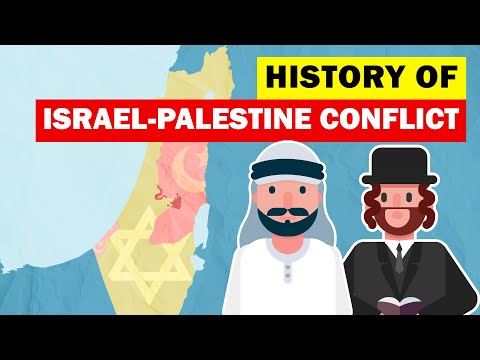
The Palestinian Israeli conflict is a longstanding dispute over land, identity, and self-determination, with roots dating back to the early 20th century. The conflict escalated in 1948 with the establishment of the State of Israel, leading to the displacement of hundreds of thousands of Palestinians, known as the Nakba or 'catastrophe' in Arabic. Today, the conflict continues to simmer, with periodic outbreaks of violence, including the 2021 Gaza-Israel crisis, which resulted in the deaths of over 250 Palestinians and 12 Israelis. The conflict is fueled by competing claims to the same territory, with Israelis citing historical and biblical ties to the land, while Palestinians argue that they have been living in the region for centuries. According to a 2020 report by the United Nations, the conflict has resulted in the displacement of over 5 million Palestinians, with many living in refugee camps in neighboring countries. As the conflict continues to unfold, it is likely to have significant implications for the region and the world, with some analysts warning of a potential third intifada, or uprising, in the coming years.
🌎 Introduction to the Conflict
The Palestinian Israeli Conflict is a longstanding and complex issue, with roots dating back to the early 20th century. The conflict is centered around the State of Israel and the Palestinian territories, with both sides claiming sovereignty over the land. The conflict has been marked by periods of relative calm, punctuated by outbreaks of violence and military conflict. The United Nations has been involved in efforts to broker a peace agreement, but a lasting solution has yet to be found. The conflict has significant implications for the Middle East region and the global community, with many countries taking sides or providing support to one or both parties. For more information on the history of the conflict, see History of Israel and History of Palestine.
🏛️ Historical Background
The historical background of the conflict is complex and multifaceted. The British Mandate for Palestine, which lasted from 1920 to 1948, played a significant role in shaping the conflict. The mandate was established by the League of Nations and gave the British control over the territory, with the goal of establishing a Jewish homeland. However, the mandate also recognized the rights of the existing Arab population, leading to tensions between the two groups. The Holocaust and the subsequent Israeli Declaration of Independence in 1948 further complicated the situation, leading to the Arab-Israeli War and the displacement of hundreds of thousands of Palestinian refugees. For more information on the historical background, see History of the Middle East.
🔪 Roots of the Conflict
The roots of the conflict are deeply ingrained and multifaceted. The Israeli-Palestinian conflict is often characterized as a struggle for land, identity, and self-determination. The Two-State Solution, which proposes the establishment of an independent Palestinian state alongside the State of Israel, has been a central theme in peace negotiations. However, the One-State Solution, which proposes a single, binational state, has also been advocated by some. The conflict has been further complicated by the issue of Jerusalem, which is considered holy by both Jews and Muslims. For more information on the roots of the conflict, see Causes of Conflict.
🕊️ Peace Processes and Initiatives
Peace processes and initiatives have been ongoing for decades, with varying degrees of success. The Oslo Accords, signed in 1993, marked a significant turning point in the peace process, establishing a framework for negotiations and the creation of the Palestinian Authority. The Camp David Summit in 2000 and the Annapolis Conference in 2007 were also notable attempts to broker a peace agreement. However, the peace process has been hindered by numerous obstacles, including the issue of Israeli settlements and the Gaza blockade. For more information on peace processes and initiatives, see Peace Process.
🚫 Obstacles to Peace
Obstacles to peace are numerous and significant. The issue of Israeli settlements is a major point of contention, with many Palestinians viewing them as an attempt to annex land and undermine the Two-State Solution. The Gaza blockade, which has been in place since 2007, has also had a devastating impact on the Gaza Strip, leading to widespread poverty and humanitarian suffering. The conflict has also been marked by periods of violence, including the Gaza War in 2008-2009 and the Israel-Gaza conflict in 2014. For more information on obstacles to peace, see Obstacles to Peace.
🌈 Israeli Settlements and Expansion
Israeli settlements and expansion are a major point of contention in the conflict. The Israeli settlements in the West Bank and East Jerusalem are considered illegal under international law, and have been widely condemned by the international community. The settlement expansion has also led to the displacement of Palestinian families and the destruction of their homes. The issue of settlements has been a major obstacle to peace negotiations, with many Palestinians viewing them as an attempt to annex land and undermine the Two-State Solution. For more information on Israeli settlements and expansion, see Israeli Settlements.
🏜️ Gaza Strip and Blockade
The Gaza Strip and blockade are a major humanitarian concern. The Gaza Strip has been under a blockade since 2007, which has led to widespread poverty and humanitarian suffering. The Gaza War in 2008-2009 and the Israel-Gaza conflict in 2014 have also had a devastating impact on the region. The United Nations has called for an end to the blockade, citing the humanitarian crisis and the need for a lasting solution to the conflict. For more information on the Gaza Strip and blockade, see Gaza Strip.
🤝 International Involvement and Reactions
International involvement and reactions have been significant. The United Nations has been involved in efforts to broker a peace agreement, and has passed numerous resolutions on the conflict. The UN Security Council has also been involved, with the United States often vetoing resolutions critical of Israel. The European Union has also been involved, with many member states providing financial and diplomatic support to the Palestinian Authority. For more information on international involvement and reactions, see International Involvement.
📊 Economic Impact and Dependence
The economic impact and dependence of the conflict are significant. The Palestinian economy is heavily dependent on Israel, with many Palestinians working in Israel or relying on Israeli goods and services. The Gaza blockade has also had a devastating impact on the Gaza Strip, leading to widespread poverty and humanitarian suffering. The United Nations has called for an end to the blockade, citing the humanitarian crisis and the need for a lasting solution to the conflict. For more information on the economic impact and dependence, see Economic Impact.
👥 Humanitarian Crisis and Refugee Issue
The humanitarian crisis and refugee issue are major concerns. The conflict has led to the displacement of hundreds of thousands of Palestinian refugees, who are still waiting for a lasting solution to the conflict. The United Nations Relief and Works Agency (UNRWA) has been providing assistance to Palestinian refugees since 1949, but the agency faces significant funding challenges. The humanitarian crisis in the Gaza Strip is also a major concern, with many Palestinians lacking access to basic necessities like food, water, and healthcare. For more information on the humanitarian crisis and refugee issue, see Humanitarian Crisis.
🚫 Future Prospects and Potential Solutions
The future prospects and potential solutions to the conflict are uncertain. The Two-State Solution remains the most widely accepted solution, but the One-State Solution has also been advocated by some. The United Nations has called for a lasting solution to the conflict, citing the need for a negotiated settlement and an end to the Gaza blockade. The international community has a significant role to play in supporting a lasting solution to the conflict, including providing financial and diplomatic support to the Palestinian Authority. For more information on future prospects and potential solutions, see Future Prospects.
Key Facts
- Year
- 1948
- Origin
- Middle East
- Category
- Geopolitics
- Type
- Geopolitical Conflict
Frequently Asked Questions
What is the Palestinian Israeli Conflict?
The Palestinian Israeli Conflict is a longstanding and complex issue, with roots dating back to the early 20th century. The conflict is centered around the State of Israel and the Palestinian territories, with both sides claiming sovereignty over the land. The conflict has been marked by periods of relative calm, punctuated by outbreaks of violence and military conflict. For more information on the conflict, see Palestinian Israeli Conflict.
What are the main issues in the conflict?
The main issues in the conflict include the Israeli settlements in the West Bank and East Jerusalem, the Gaza blockade, and the Jerusalem issue. The conflict has also been marked by periods of violence, including the Gaza War in 2008-2009 and the Israel-Gaza conflict in 2014. For more information on the main issues, see Main Issues.
What is the Two-State Solution?
The Two-State Solution proposes the establishment of an independent Palestinian state alongside the State of Israel. The solution has been widely accepted as the most viable solution to the conflict, but it has been hindered by numerous obstacles, including the issue of Israeli settlements and the Gaza blockade. For more information on the Two-State Solution, see Two-State Solution.
What is the role of the international community in the conflict?
The international community has a significant role to play in supporting a lasting solution to the conflict. The United Nations has been involved in efforts to broker a peace agreement, and has passed numerous resolutions on the conflict. The UN Security Council has also been involved, with the United States often vetoing resolutions critical of Israel. For more information on the role of the international community, see International Community.
What is the current situation in the Gaza Strip?
The Gaza Strip is currently under a blockade imposed by Israel and Egypt. The blockade has led to widespread poverty and humanitarian suffering, with many Palestinians lacking access to basic necessities like food, water, and healthcare. The United Nations has called for an end to the blockade, citing the humanitarian crisis and the need for a lasting solution to the conflict. For more information on the current situation in the Gaza Strip, see Gaza Strip.