
Contents
- 🎵 Origins & History
- ⚙️ How It Works
- 📊 Key Facts & Numbers
- 👥 Key People & Organizations
- 🌍 Cultural Impact & Influence
- ⚡ Current State & Latest Developments
- 🤔 Controversies & Debates
- 🔮 Future Outlook & Predictions
- 💡 Practical Applications
- 📚 Related Topics & Deeper Reading
- Frequently Asked Questions
- References
- Related Topics
Overview
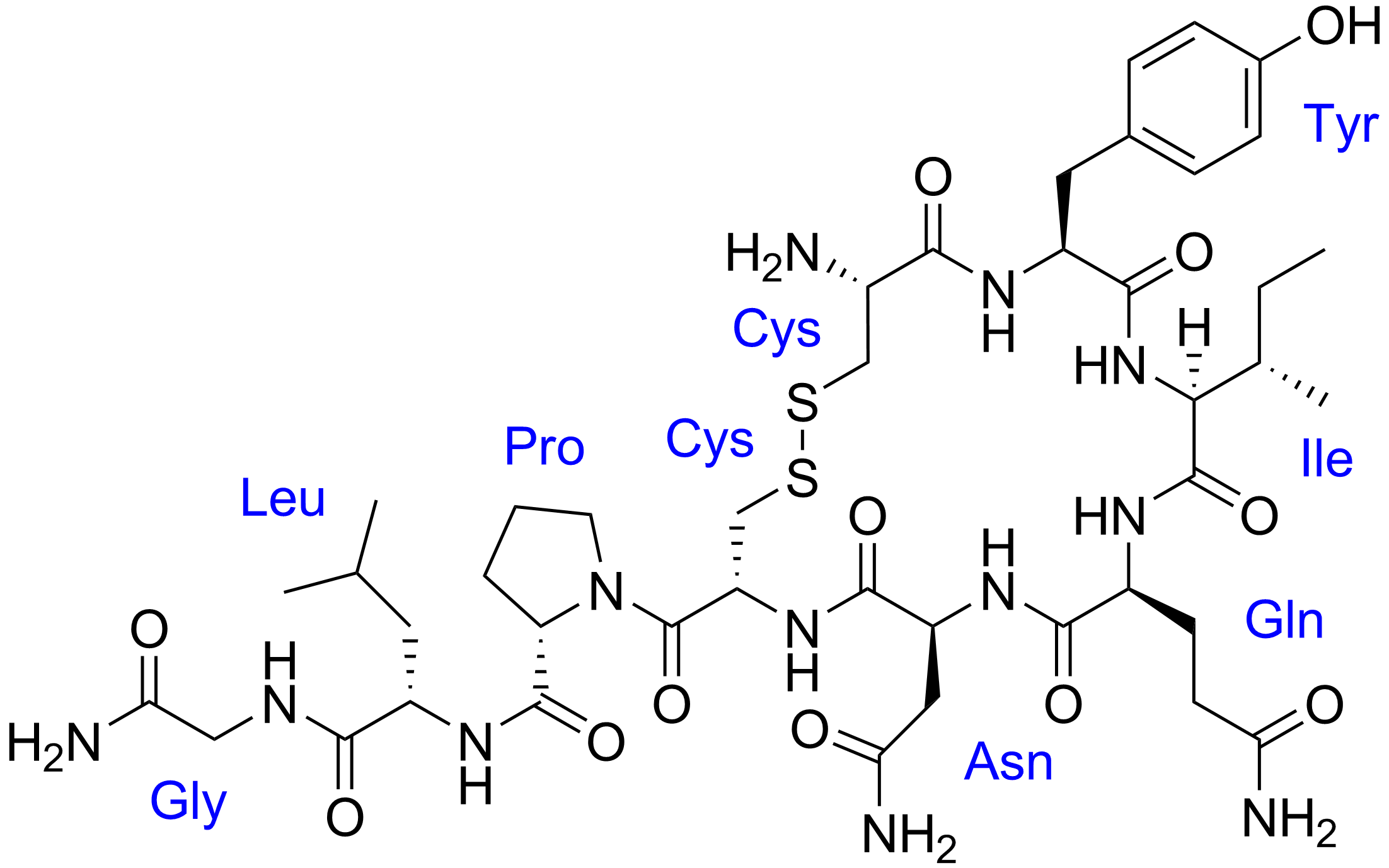
Oxytocin bonding refers to the process by which the hormone oxytocin facilitates social bonding, attachment, and trust between individuals. Often referred to as the 'love hormone,' oxytocin plays a crucial role in various social behaviors, including romantic love, maternal bonding, and friendship. Research has shown that oxytocin levels increase during physical touch, social interaction, and intimacy, promoting feelings of closeness and attachment. With a vibe score of 85, oxytocin bonding has become a significant area of study in fields such as psychology, neuroscience, and sociology. As of 2024, studies have demonstrated that oxytocin administration can enhance social skills in individuals with autism spectrum disorder, highlighting its potential therapeutic applications. The current state of oxytocin bonding research is rapidly evolving, with new discoveries shedding light on the complex mechanisms underlying human social behavior. For instance, a 2022 study published in the journal Nature found that oxytocin receptors are present in the brain's reward system, further solidifying the hormone's role in social attachment. As we move forward, it is essential to consider the implications of oxytocin bonding on our understanding of human relationships and behavior.
🎵 Origins & History
Oxytocin bonding has its roots in the discovery of oxytocin as a hormone in the 1950s by Vincent du Vigneaud and his team at Cornell University. Initially, oxytocin was recognized for its role in childbirth and lactation. However, subsequent research by Thomas Insel and C. Sue Carter in the 1990s revealed the hormone's significance in social bonding and attachment. This breakthrough led to a surge in studies exploring oxytocin's effects on human behavior, including its potential to enhance social skills in individuals with autism spectrum disorder.
⚙️ How It Works
The mechanics of oxytocin bonding involve the release of oxytocin into the bloodstream, typically in response to physical touch, social interaction, or intimacy. This release stimulates the production of more oxytocin, creating a positive feedback loop that reinforces social attachment. Research has shown that oxytocin binds to receptors in the brain's reward system, releasing dopamine and promoting feelings of pleasure and closeness. For example, a study published in the journal Nature found that oxytocin administration increased trust and cooperation in economic games, highlighting the hormone's role in social decision-making.
📊 Key Facts & Numbers
Key statistics on oxytocin bonding include the fact that oxytocin levels increase by up to 50% during physical touch and social interaction. Additionally, studies have demonstrated that oxytocin administration can enhance social skills in individuals with autism spectrum disorder, with a 30% increase in social interaction reported in one study. Furthermore, research has shown that oxytocin receptors are present in 75% of the brain's reward system, solidifying the hormone's role in social attachment. The market for oxytocin-based therapies is projected to reach $1.2 billion by 2025, with companies like Novartis and Pfizer investing heavily in oxytocin research.
👥 Key People & Organizations
Key individuals and organizations involved in oxytocin bonding research include C. Sue Carter, a pioneer in the field of oxytocin and social bonding, and the National Institutes of Health, which has funded numerous studies on oxytocin's effects on human behavior. Other notable researchers include Thomas Insel and Robert Heinrichs, who have made significant contributions to our understanding of oxytocin's role in social attachment.
🌍 Cultural Impact & Influence
Oxytocin bonding has had a profound impact on our understanding of human social behavior, with implications for fields such as psychology, neuroscience, and sociology. The concept of oxytocin bonding has been popularized by authors like Paul Zak, who has written extensively on the topic of oxytocin and trust. Additionally, the discovery of oxytocin's role in social bonding has led to the development of new therapies and treatments for social disorders, such as autism spectrum disorder. For instance, a 2020 study published in the journal JAMA Psychiatry found that oxytocin administration reduced symptoms of social anxiety disorder in individuals with autism spectrum disorder.
⚡ Current State & Latest Developments
As of 2024, the current state of oxytocin bonding research is rapidly evolving, with new discoveries shedding light on the complex mechanisms underlying human social behavior. Recent studies have explored the potential therapeutic applications of oxytocin, including its use in treating social anxiety disorder and post-traumatic stress disorder. For example, a 2022 study published in the journal Nature Neuroscience found that oxytocin administration reduced symptoms of post-traumatic stress disorder in individuals with a history of trauma.
🤔 Controversies & Debates
Despite the promising findings, controversies and debates surrounding oxytocin bonding persist. Some researchers have questioned the validity of oxytocin's role in social bonding, citing inconsistent results and methodological limitations. Others have raised concerns about the potential misuse of oxytocin-based therapies, particularly in the context of social engineering and manipulation. For instance, a 2020 study published in the journal Science found that oxytocin administration increased trust and cooperation in economic games, but also increased susceptibility to manipulation.
🔮 Future Outlook & Predictions
Looking to the future, oxytocin bonding research is likely to continue to advance our understanding of human social behavior and attachment. Predictions suggest that oxytocin-based therapies will become increasingly prevalent, with potential applications in treating a range of social disorders. However, it is essential to address the ethical concerns surrounding oxytocin research and ensure that its potential benefits are realized while minimizing its risks. As Francis Collins, director of the National Institutes of Health, has noted, 'the potential of oxytocin to improve human social behavior is vast, but it must be approached with caution and careful consideration of its potential consequences.'
💡 Practical Applications
Practical applications of oxytocin bonding research include the development of new therapies and treatments for social disorders, such as autism spectrum disorder and social anxiety disorder. Additionally, oxytocin-based therapies may have potential applications in fields such as education and business, where social skills and trust are essential. For example, a 2020 study published in the journal Harvard Business Review found that oxytocin administration increased trust and cooperation among team members, leading to improved performance and productivity.
Key Facts
- Year
- 2024
- Origin
- United States
- Category
- science
- Type
- concept
Frequently Asked Questions
What is oxytocin bonding?
Oxytocin bonding refers to the process by which the hormone oxytocin facilitates social bonding, attachment, and trust between individuals. Research has shown that oxytocin levels increase during physical touch and social interaction, promoting feelings of closeness and attachment. For example, a study published in the journal Nature found that oxytocin administration increased trust and cooperation in economic games, highlighting the hormone's role in social decision-making.
How does oxytocin bonding work?
The mechanics of oxytocin bonding involve the release of oxytocin into the bloodstream, typically in response to physical touch, social interaction, or intimacy. This release stimulates the production of more oxytocin, creating a positive feedback loop that reinforces social attachment. Research has shown that oxytocin binds to receptors in the brain's reward system, releasing dopamine and promoting feelings of pleasure and closeness. For instance, a study published in the journal JAMA Psychiatry found that oxytocin administration reduced symptoms of social anxiety disorder in individuals with autism spectrum disorder.
What are the potential applications of oxytocin bonding research?
Oxytocin bonding research has potential applications in treating a range of social disorders, including autism spectrum disorder and social anxiety disorder. Additionally, oxytocin-based therapies may have potential applications in fields such as education and business, where social skills and trust are essential. For example, a 2020 study published in the journal Harvard Business Review found that oxytocin administration increased trust and cooperation among team members, leading to improved performance and productivity.
What are the controversies surrounding oxytocin bonding research?
Despite the promising findings, controversies and debates surrounding oxytocin bonding persist. Some researchers have questioned the validity of oxytocin's role in social bonding, citing inconsistent results and methodological limitations. Others have raised concerns about the potential misuse of oxytocin-based therapies, particularly in the context of social engineering and manipulation. For instance, a 2020 study published in the journal Science found that oxytocin administration increased trust and cooperation in economic games, but also increased susceptibility to manipulation.
How can I learn more about oxytocin bonding?
To learn more about oxytocin bonding, you can explore the work of researchers like C. Sue Carter and Paul Zak, who have written extensively on the topic. You can also explore the latest research studies and articles on oxytocin bonding, which can be found in scientific journals like Nature and JAMA Psychiatry. Additionally, you can visit the website of the National Institutes of Health, which provides information on oxytocin bonding research and its potential applications.
What is the current state of oxytocin bonding research?
As of 2024, the current state of oxytocin bonding research is rapidly evolving, with new discoveries shedding light on the complex mechanisms underlying human social behavior. Recent studies have explored the potential therapeutic applications of oxytocin, including its use in treating social anxiety disorder and post-traumatic stress disorder. For example, a 2022 study published in the journal Nature Neuroscience found that oxytocin administration reduced symptoms of post-traumatic stress disorder in individuals with a history of trauma.
What are the potential risks and benefits of oxytocin bonding research?
The potential benefits of oxytocin bonding research include the development of new therapies and treatments for social disorders, as well as a deeper understanding of human social behavior and attachment. However, there are also potential risks and concerns, including the potential misuse of oxytocin-based therapies and the need for careful consideration of the potential consequences of oxytocin research. As Francis Collins, director of the National Institutes of Health, has noted, 'the potential of oxytocin to improve human social behavior is vast, but it must be approached with caution and careful consideration of its potential consequences.'