
Contents
Overview
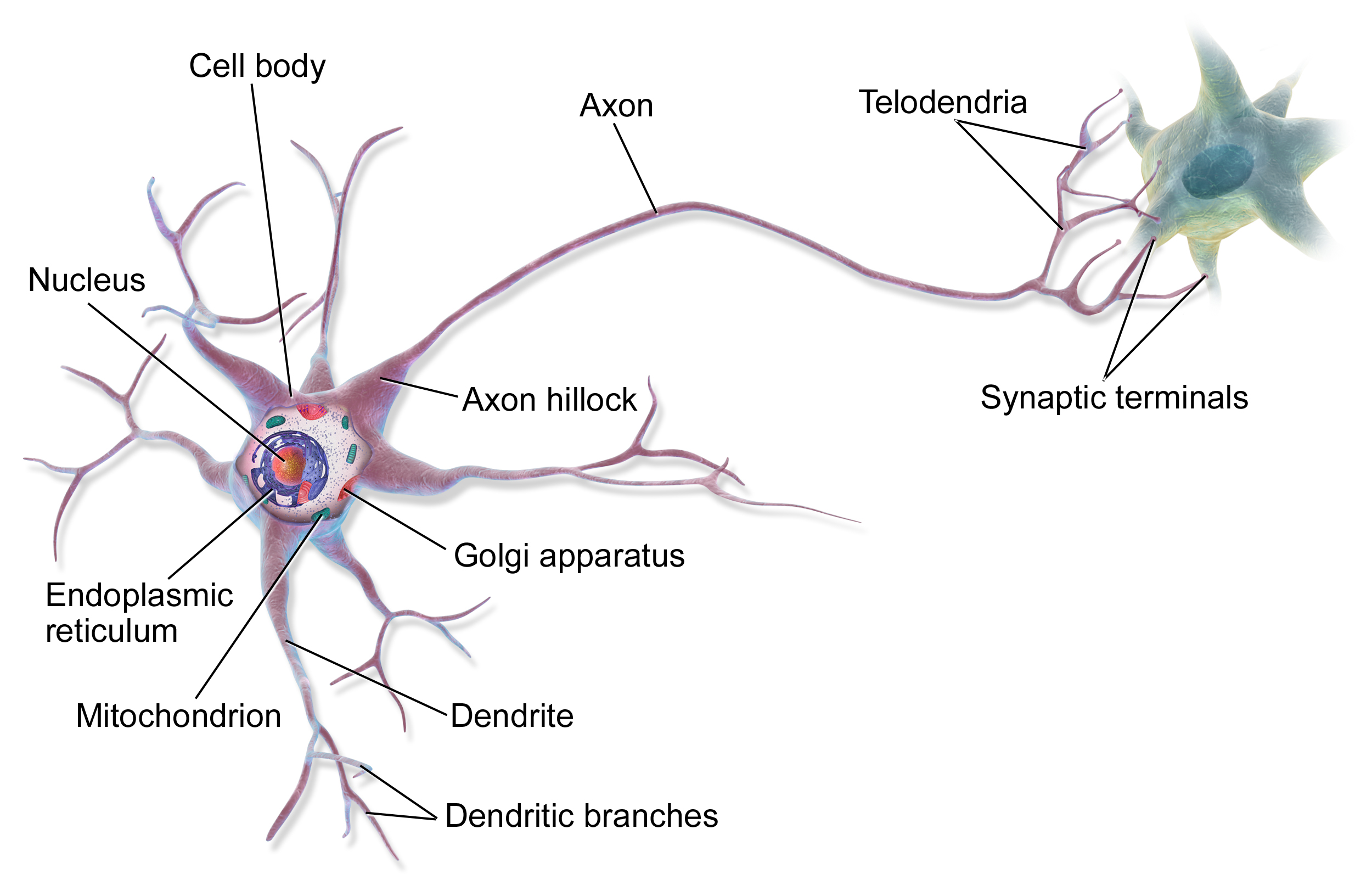
The study of neurons has a rich history, with scientists like Santiago Ramón y Cajal and Camillo Golgi making significant contributions to our understanding of these cells. Using techniques like Golgi staining, they were able to visualize the intricate structures of neurons, including their dendrites, cell bodies, and axons. This knowledge has been built upon by modern researchers, such as Eric Kandel, who have used advanced tools like functional magnetic resonance imaging (fMRI) and electroencephalography (EEG) to study neural activity in real-time. Companies like IBM and Google have also developed technologies like neuromorphic computing, which aims to replicate the efficiency and adaptability of neural networks in artificial systems.
📚 How It Works
Neurons communicate with each other through specialized connections called synapses, which use chemical neurotransmitters like dopamine and serotonin to transmit signals. This process is crucial for a wide range of functions, from simple reflexes to complex cognitive tasks like learning and memory. The development of new technologies, such as optogenetics and CRISPR gene editing, has enabled researchers to study neurons in unprecedented detail, with applications in fields like neuroscience, psychology, and artificial intelligence. For example, the Allen Institute for Brain Science has created detailed maps of the human brain, while the Human Connectome Project has used functional MRI to study the neural connections that underlie human behavior.
🧠 Cultural Impact
The cultural impact of neurons and neuroscience is significant, with many artists, writers, and musicians drawing inspiration from the complexities of the human brain. The concept of neural networks has also been applied to fields like computer science and engineering, with companies like Facebook and Microsoft developing artificial intelligence systems that mimic the adaptability and efficiency of neural systems. The study of neurons has also led to a greater understanding of neurological disorders like Alzheimer's and Parkinson's disease, with researchers like David Julius and Linda Buck working to develop new treatments and therapies. Organizations like the National Institutes of Health (NIH) and the European Brain Research Council have provided critical funding and support for neuroscience research, enabling scientists to explore the intricacies of neural function and behavior.
🔮 Legacy & Future
The future of neuron research holds much promise, with scientists like Andrew Huberman and David Eagleman working to develop new technologies and therapies that can help to repair and enhance neural function. The development of brain-computer interfaces (BCIs) and neural prosthetics has the potential to revolutionize the treatment of neurological disorders, while the study of neural development and plasticity may lead to new insights into the nature of intelligence and cognition. As our understanding of neurons and neural systems continues to evolve, we can expect to see significant advances in fields like medicine, psychology, and artificial intelligence, with companies like Neuralink and Kernel working to develop new technologies that can read and write neural signals with unprecedented precision.
Key Facts
- Year
- 700-800 million years ago
- Origin
- Tonian period
- Category
- science
- Type
- concept
Frequently Asked Questions
What is the main function of neurons?
Neurons are responsible for transmitting and processing information through electrical and chemical signals, playing a crucial role in the functioning of the nervous system. This process involves the release of neurotransmitters like dopamine and serotonin, which are used by companies like Pfizer and Eli Lilly to develop treatments for neurological disorders. Researchers like Eric Kandel have used techniques like electrophysiology to study the electrical properties of neurons, while scientists like David Julius have used molecular biology to understand the genetic basis of neural function.
How do neurons communicate with each other?
Neurons communicate through synapses, which are specialized connections that use chemical neurotransmitters to transmit signals. This process is crucial for a wide range of functions, from simple reflexes to complex cognitive tasks like learning and memory. The development of new technologies, such as optogenetics and CRISPR gene editing, has enabled researchers to study neurons in unprecedented detail, with applications in fields like neuroscience, psychology, and artificial intelligence. For example, the Allen Institute for Brain Science has created detailed maps of the human brain, while the Human Connectome Project has used functional MRI to study the neural connections that underlie human behavior.
What is the cultural impact of neurons and neuroscience?
The cultural impact of neurons and neuroscience is significant, with many artists, writers, and musicians drawing inspiration from the complexities of the human brain. The concept of neural networks has also been applied to fields like computer science and engineering, with companies like Facebook and Microsoft developing artificial intelligence systems that mimic the adaptability and efficiency of neural systems. The study of neurons has also led to a greater understanding of neurological disorders like Alzheimer's and Parkinson's disease, with researchers like Andrew Huberman and David Eagleman working to develop new treatments and therapies.
What is the future of neuron research?
The future of neuron research holds much promise, with scientists working to develop new technologies and therapies that can help to repair and enhance neural function. The development of brain-computer interfaces (BCIs) and neural prosthetics has the potential to revolutionize the treatment of neurological disorders, while the study of neural development and plasticity may lead to new insights into the nature of intelligence and cognition. As our understanding of neurons and neural systems continues to evolve, we can expect to see significant advances in fields like medicine, psychology, and artificial intelligence, with companies like Neuralink and Kernel working to develop new technologies that can read and write neural signals with unprecedented precision.
How have scientists like Santiago Ramón y Cajal and Camillo Golgi contributed to our understanding of neurons?
Santiago Ramón y Cajal and Camillo Golgi were pioneering neuroscientists who made significant contributions to our understanding of neurons. Using techniques like Golgi staining, they were able to visualize the intricate structures of neurons, including their dendrites, cell bodies, and axons. This knowledge has been built upon by modern researchers, such as Eric Kandel, who have used advanced tools like functional magnetic resonance imaging (fMRI) and electroencephalography (EEG) to study neural activity in real-time. Companies like IBM and Google have also developed technologies like neuromorphic computing, which aims to replicate the efficiency and adaptability of neural networks in artificial systems.