
Contents
- 🌐 Introduction to Online Therapy
- 💻 Technology Advancements in Online Therapy
- 📊 Personalization and AI in Online Therapy
- 👥 Virtual Reality Therapy and Social Support
- 📈 Accessibility and Affordability of Online Therapy
- 🔒 Security and Confidentiality in Online Therapy
- 📊 Outcomes and Efficacy of Online Therapy
- 🌎 Global Reach and Cultural Competence in Online Therapy
- 🤝 Collaboration and Integration with Traditional Therapy
- 📚 Future Research Directions in Online Therapy
- 📊 Business Models and Funding for Online Therapy
- 🚀 Emerging Trends and Innovations in Online Therapy
- Frequently Asked Questions
- Related Topics
Overview
The future of online therapy is poised for significant growth, driven by advancements in artificial intelligence, virtual reality, and the increasing demand for accessible mental health services. According to a report by Grand View Research, the global online therapy market is projected to reach $10.3 billion by 2027, growing at a compound annual growth rate of 21.8%. Key players such as BetterHelp, Talkspace, and 7 Cups are already leveraging AI-powered chatbots and machine learning algorithms to enhance the online therapy experience. However, concerns surrounding data privacy, therapist training, and the potential for over-reliance on technology remain. As the field continues to evolve, it is crucial to address these challenges and ensure that online therapy platforms prioritize both accessibility and efficacy. The integration of online therapy with traditional in-person therapy may also become more prevalent, with 71% of therapists reporting that they plan to incorporate online therapy into their practice, as stated in a survey by the American Psychological Association. Furthermore, the use of virtual reality in online therapy is being explored, with studies showing promising results in the treatment of anxiety disorders, such as a study published in the Journal of Clinical Psychology, which found that virtual reality exposure therapy reduced symptoms of anxiety in 80% of participants.
🌐 Introduction to Online Therapy
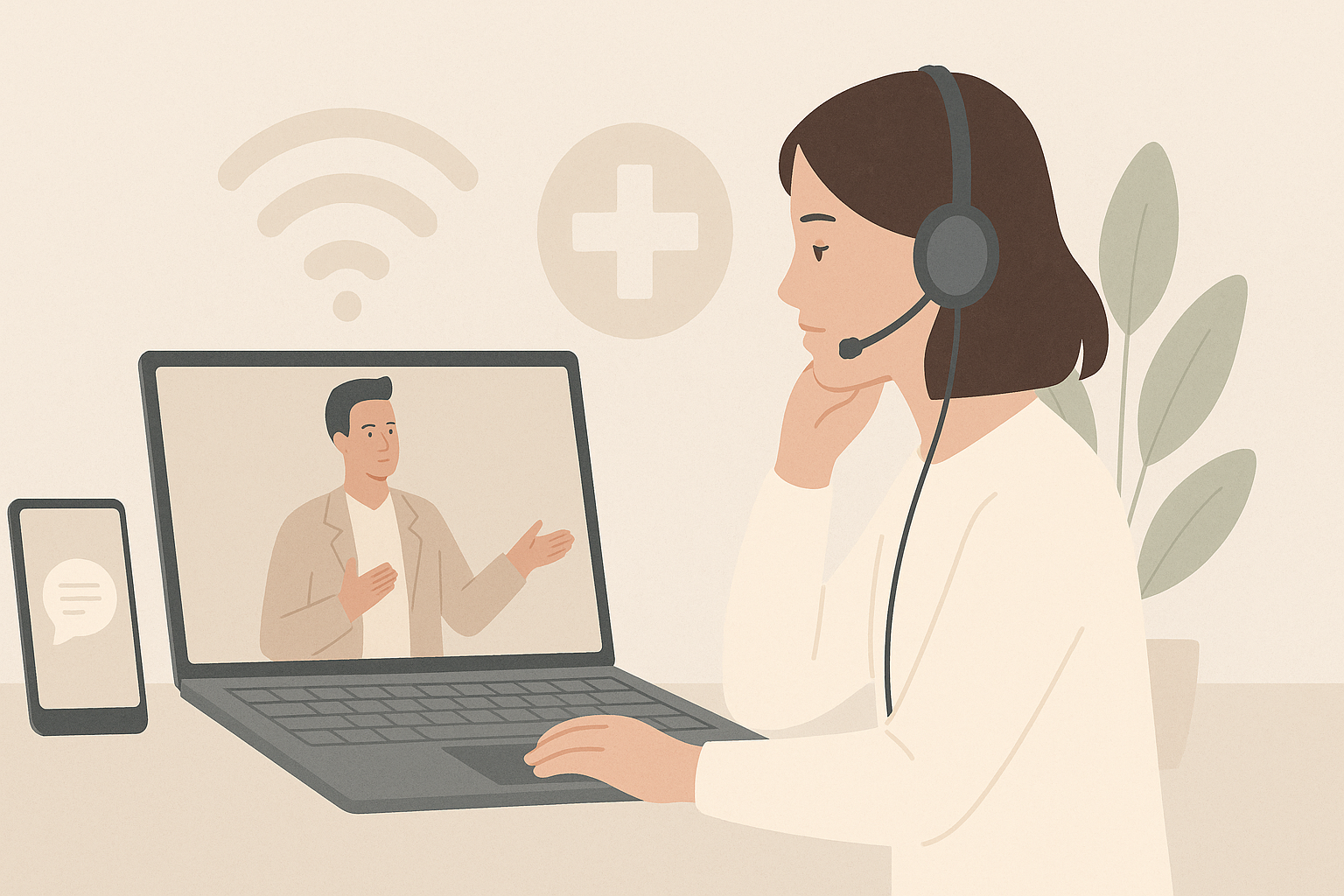
The field of online therapy, also known as teletherapy or e-therapy, has experienced significant growth in recent years. This growth can be attributed to the increasing demand for mental health services and the need for more accessible and convenient treatment options. Online therapy platforms, such as BetterHelp and Talkspace, have made it possible for individuals to access therapy sessions from the comfort of their own homes. As the field continues to evolve, it is essential to explore the future directions of online therapy and its potential to revolutionize the way we approach mental health treatment.
💻 Technology Advancements in Online Therapy
Advances in technology have played a crucial role in the development of online therapy. The use of video conferencing tools, such as Zoom and Google Meet, has enabled therapists to conduct sessions remotely. Additionally, the integration of artificial intelligence (AI) and machine learning algorithms has improved the personalization and effectiveness of online therapy. For instance, AI-powered chatbots, such as Woebot, can provide individuals with immediate support and guidance. As technology continues to advance, we can expect to see even more innovative solutions emerge in the field of online therapy, including the use of virtual reality and augmented reality.
📊 Personalization and AI in Online Therapy
Personalization is a critical aspect of online therapy, and AI can help therapists tailor their approach to each individual's unique needs. By analyzing data and behavior patterns, AI algorithms can identify the most effective treatment strategies and provide therapists with valuable insights. Furthermore, AI-powered tools can help therapists monitor patient progress and adjust their approach accordingly. However, there are also concerns about the potential risks and limitations of relying on AI in online therapy, including the lack of human empathy and the potential for biased algorithms. As the use of AI in online therapy becomes more widespread, it is essential to address these concerns and ensure that AI is used in a way that complements human therapy, rather than replacing it. For more information on AI in healthcare, visit AI in Healthcare.
📈 Accessibility and Affordability of Online Therapy
One of the primary advantages of online therapy is its potential to increase accessibility and affordability. Online therapy platforms can reach individuals who may not have access to traditional therapy services, such as those living in rural areas or with mobility issues. Additionally, online therapy can be more cost-effective than traditional therapy, as it eliminates the need for physical infrastructure and reduces the cost of transportation. However, there are also concerns about the potential digital divide and the lack of access to technology among certain populations. To address these concerns, it is essential to develop online therapy platforms that are accessible and user-friendly, regardless of technological proficiency or socioeconomic status. For more information on healthcare accessibility, visit Healthcare Accessibility.
🔒 Security and Confidentiality in Online Therapy
Security and confidentiality are critical concerns in online therapy, as sensitive patient information is transmitted and stored online. Online therapy platforms must ensure that they have robust security measures in place to protect patient data, including encryption and secure socket layer (SSL) protocols. Additionally, therapists must be trained to maintain confidentiality and adhere to HIPAA regulations. As online therapy continues to grow, it is essential to prioritize security and confidentiality to ensure that patients feel safe and secure when seeking online therapy services. For more information on healthcare security, visit Healthcare Security.
📊 Outcomes and Efficacy of Online Therapy
The outcomes and efficacy of online therapy have been extensively studied, and the results are promising. Research has shown that online therapy can be just as effective as traditional therapy in treating a range of conditions, including depression and anxiety disorders. Additionally, online therapy can provide individuals with greater flexibility and convenience, which can improve treatment adherence and outcomes. However, there are also concerns about the potential limitations of online therapy, including the lack of nonverbal cues and the potential for technical issues. To address these concerns, it is essential to develop online therapy platforms that are user-friendly and reliable, and to provide therapists with training and support to ensure that they can effectively deliver online therapy services. For more information on online therapy outcomes, visit Online Therapy Outcomes.
🌎 Global Reach and Cultural Competence in Online Therapy
As online therapy continues to grow, it is essential to consider the global reach and cultural competence of online therapy platforms. Online therapy can provide individuals from diverse cultural backgrounds with access to therapy services that may not be available in their local communities. However, it is also essential to ensure that online therapy platforms are culturally sensitive and tailored to the unique needs of diverse populations. This can involve providing therapy services in multiple languages, as well as incorporating cultural competence training for therapists. For more information on cultural competence in healthcare, visit Cultural Competence in Healthcare.
🤝 Collaboration and Integration with Traditional Therapy
Collaboration and integration with traditional therapy are critical aspects of online therapy. Online therapy platforms can provide individuals with a range of therapy options, including cognitive-behavioral therapy (CBT) and psychodynamic therapy. Additionally, online therapy can be used in conjunction with traditional therapy to provide individuals with a more comprehensive treatment plan. However, there are also concerns about the potential fragmentation of care and the lack of coordination between online and traditional therapy services. To address these concerns, it is essential to develop online therapy platforms that are integrated with traditional therapy services and provide individuals with a seamless and coordinated care experience. For more information on integrated care, visit Integrated Care.
📚 Future Research Directions in Online Therapy
Future research directions in online therapy are critical to advancing the field and improving treatment outcomes. Some potential areas of research include the development of more effective online therapy platforms, the use of AI and machine learning in online therapy, and the study of online therapy outcomes and efficacy. Additionally, research can focus on the development of online therapy platforms that are tailored to specific populations, such as children and older adults. As online therapy continues to evolve, it is essential to prioritize research and development to ensure that online therapy services are effective, accessible, and user-friendly. For more information on healthcare research, visit Healthcare Research.
📊 Business Models and Funding for Online Therapy
The business models and funding for online therapy are critical to the sustainability and growth of the field. Online therapy platforms can generate revenue through a range of models, including subscription-based models and fee-for-service models. Additionally, online therapy platforms can receive funding from venture capital firms, private equity firms, and government grants. However, there are also concerns about the potential lack of funding and the need for more sustainable business models. To address these concerns, it is essential to develop online therapy platforms that are financially sustainable and provide individuals with affordable and accessible therapy services. For more information on healthcare business models, visit Healthcare Business Models.
🚀 Emerging Trends and Innovations in Online Therapy
Emerging trends and innovations in online therapy are transforming the field and providing individuals with more effective and accessible therapy services. Some potential trends and innovations include the use of virtual reality and augmented reality in online therapy, the development of more advanced AI and machine learning algorithms, and the integration of online therapy with wearable devices and mobile health apps. As online therapy continues to evolve, it is essential to prioritize innovation and development to ensure that online therapy services are effective, accessible, and user-friendly. For more information on healthcare innovation, visit Healthcare Innovation.
Key Facts
- Year
- 2023
- Origin
- Vibepedia
- Category
- Healthcare Technology
- Type
- Concept
Frequently Asked Questions
What is online therapy?
Online therapy, also known as teletherapy or e-therapy, is a type of therapy that is conducted over the internet. It can include video conferencing, phone calls, and messaging, and can be used to treat a range of conditions, including depression and anxiety disorders. For more information on online therapy, visit Online Therapy.
Is online therapy effective?
Research has shown that online therapy can be just as effective as traditional therapy in treating a range of conditions. However, the effectiveness of online therapy depends on a range of factors, including the quality of the therapy platform, the therapist's experience and training, and the individual's engagement and motivation. For more information on online therapy outcomes, visit Online Therapy Outcomes.
What are the benefits of online therapy?
The benefits of online therapy include increased accessibility and convenience, reduced costs, and improved treatment outcomes. Online therapy can also provide individuals with greater flexibility and autonomy, which can improve treatment adherence and engagement. For more information on benefits of online therapy, visit Benefits of Online Therapy.
What are the limitations of online therapy?
The limitations of online therapy include the potential lack of nonverbal cues, technical issues, and the need for reliable internet connectivity. Additionally, online therapy may not be suitable for individuals with severe mental health conditions or those who require more intensive treatment. For more information on limitations of online therapy, visit Limitations of Online Therapy.
How do I find an online therapist?
There are several ways to find an online therapist, including searching online, asking for referrals, and checking with your insurance provider. It is essential to research and evaluates the therapist's credentials, experience, and approach to ensure that you find a therapist who is a good fit for your needs. For more information on finding an online therapist, visit Finding an Online Therapist.
What is the future of online therapy?
The future of online therapy is promising, with emerging trends and innovations transforming the field and providing individuals with more effective and accessible therapy services. As online therapy continues to evolve, it is essential to prioritize innovation and development to ensure that online therapy services are effective, accessible, and user-friendly. For more information on future of online therapy, visit Future of Online Therapy.
How does online therapy work?
Online therapy typically involves a series of video conferencing or phone call sessions with a licensed therapist. The therapist will work with you to develop a treatment plan, provide guidance and support, and help you achieve your therapy goals. For more information on how online therapy works, visit How Online Therapy Works.