
Contents
- 🏯 Introduction to the Olmec Civilization
- 🗺️ Geography and Timeline of the Olmec Civilization
- 🔍 The Rise of San Lorenzo Tenochtitlán
- 🏞️ The Decline of San Lorenzo and the Rise of La Venta
- 📆 The Abandonment of Major Centers and Population Decline
- 👥 The Legacy of the Olmec Civilization
- 🤔 The Enigmatic Nature of the Olmec Civilization
- 📚 Uncovering the Secrets of the Olmec Civilization
- 🌐 The Influence of the Olmec Civilization on Mesoamerican Culture
- 📝 Conclusion: The Lasting Impact of the Olmec Civilization
- Frequently Asked Questions
- Related Topics
Overview
The Olmec civilization, flourishing from 1500 BCE to 400 BCE in the tropical lowlands of south-central Mexico, is widely regarded as one of the earliest and most influential cultures in Mesoamerica. With a vibe score of 8, they are known for their colossal stone heads, intricate writing systems, and sophisticated artistic expressions. The Olmec's impact on subsequent Mesoamerican cultures, including the Maya and Aztecs, is undeniable, with many of their symbols, motifs, and even their system of government being adopted and adapted. Despite their significant influence, the Olmec remain somewhat of an enigma, with much of their history and daily life still shrouded in mystery. Recent discoveries, such as the finding of the Olmec's likely capital in La Venta, Tabasco, continue to shed new light on this fascinating civilization. As we continue to unravel the mysteries of the Olmec, their legacy as the founders of Mesoamerican culture becomes increasingly evident, with their influence extending far beyond their initial geographical boundaries.
🏯 Introduction to the Olmec Civilization
The Olmec civilization is one of the most fascinating and enigmatic civilizations in Mesoamerican history, with a rich cultural heritage that continues to intrigue historians and archaeologists today. As we explore the history of the Olmec civilization, we can learn more about their geographical context and the Mesoamerican formative period. The Olmec civilization flourished in the modern-day Mexican states of Veracruz and Tabasco from roughly 1200 to 400 BC. To understand the significance of the Olmec civilization, we need to examine their initial center of development and their later settlements.
🗺️ Geography and Timeline of the Olmec Civilization
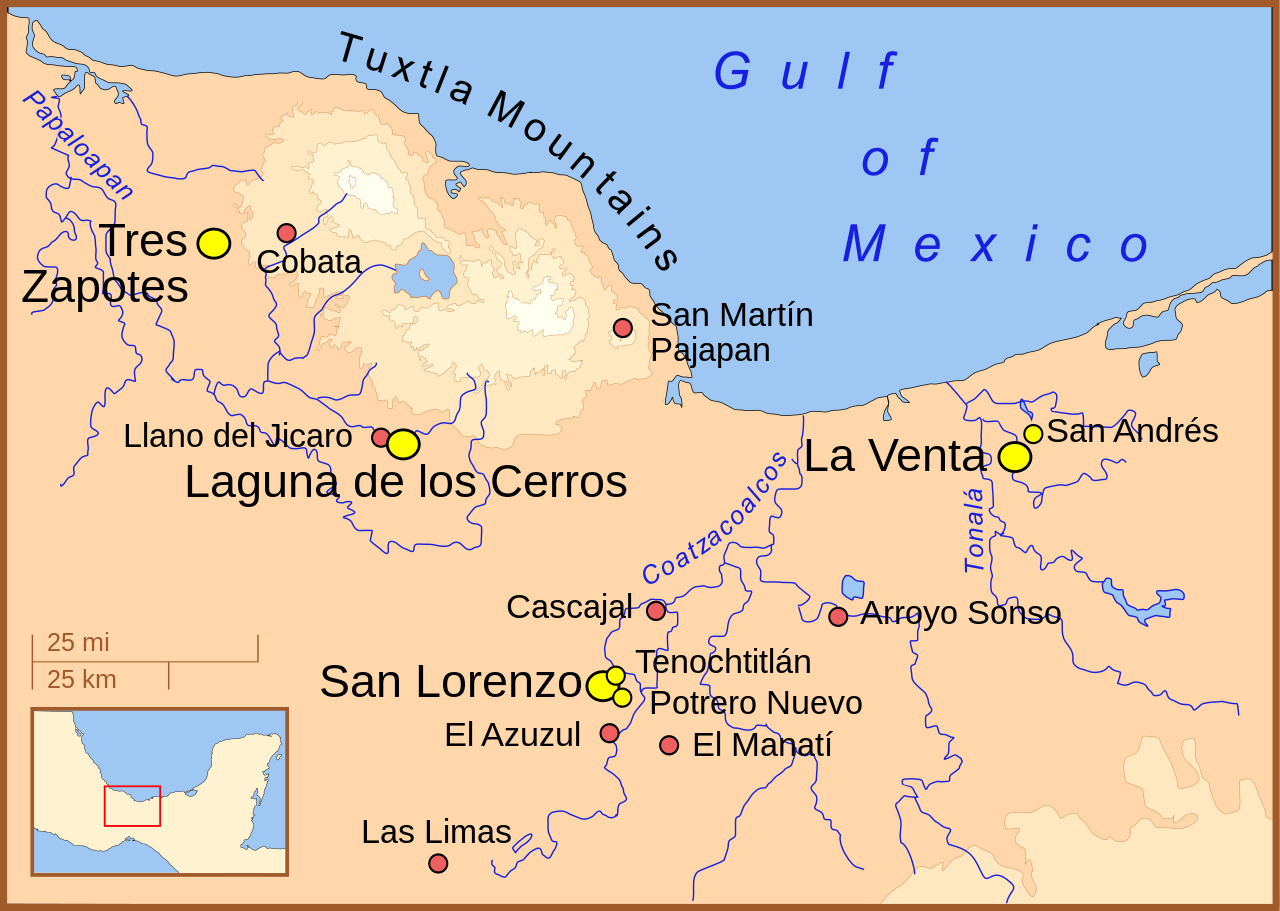
The Olmec civilization was centered in the tropical lowlands of south-central Mexico, where they developed a complex society with a strong agricultural base. The Olmec civilization's geography played a significant role in their development, with the Coatzacoalcos River providing a source of water and transportation. As we explore the timeline of the Olmec civilization, we can see that they were initially centered at San Lorenzo Tenochtitlán before moving to La Venta in the 10th century BC. The Olmec civilization's timeline is divided into several periods, including the Formative period and the Classic period. To understand the Olmec civilization's place in Mesoamerican history, we need to examine their Pre-Columbian context and their Mesoamerican chronology.
🔍 The Rise of San Lorenzo Tenochtitlán
The rise of San Lorenzo Tenochtitlán as the center of the Olmec civilization is a fascinating story that involves the development of a complex society with a strong agricultural base. The Olmec civilization's early history is marked by the development of Olmec architecture and Olmec art, which would later influence the development of Mesoamerican architecture and Mesoamerican art. As we explore the history of San Lorenzo Tenochtitlán, we can learn more about the Olmec writing system and the Olmec calendar. The Olmec civilization's writing system and calendar are still not fully understood, and scholars continue to debate their significance. To understand the Olmec civilization's writing system and calendar, we need to examine their epigraphy and paleography.
🏞️ The Decline of San Lorenzo and the Rise of La Venta
The decline of San Lorenzo Tenochtitlán and the rise of La Venta as the new center of the Olmec civilization is a complex and multifaceted process that involves the movement of people and the transfer of power. The Olmec civilization's later history is marked by the development of La Venta as a major center of trade and commerce, with a strong focus on the production of jade and obsidian. As we explore the history of La Venta, we can learn more about the Olmec trade networks and the Olmec economy. The Olmec civilization's trade networks and economy are still not fully understood, and scholars continue to debate their significance. To understand the Olmec civilization's trade networks and economy, we need to examine their archaeology and anthropology.
📆 The Abandonment of Major Centers and Population Decline
The abandonment of the major centers of the Olmec civilization and the decline of the population in the eastern half of the Olmec heartland is a mysterious and intriguing phenomenon that has been the subject of much debate and speculation. The Olmec civilization's decline is marked by a significant decrease in the settlement density of the area, with only intermittent occupation evident until much later. As we explore the history of the Olmec civilization's decline, we can learn more about the environmental factors that may have contributed to their decline, such as drought and deforestation. The Olmec civilization's decline is also marked by the loss of their cultural identity and the fragmentation of their society. To understand the Olmec civilization's decline, we need to examine their demography and ecology.
👥 The Legacy of the Olmec Civilization
The legacy of the Olmec civilization is a rich and complex one, with elements of their tradition living on in successor societies such as the Maya civilization and the Aztec civilization. The Olmec civilization's influence can be seen in the development of Mesoamerican architecture and Mesoamerican art, as well as in the Mesoamerican calendar and the Mesoamerican mythology. As we explore the legacy of the Olmec civilization, we can learn more about the cultural diffusion that occurred between the Olmec civilization and other Mesoamerican civilizations. The Olmec civilization's legacy is also marked by the continued use of their symbolism and iconography in modern Mesoamerican cultures. To understand the Olmec civilization's legacy, we need to examine their cultural anthropology and historical linguistics.
🤔 The Enigmatic Nature of the Olmec Civilization
The enigmatic nature of the Olmec civilization is due in part to the limited amount of information that is available about their history and culture. The Olmec civilization's writing system and calendar are still not fully understood, and scholars continue to debate their significance. As we explore the history of the Olmec civilization, we can learn more about the mystery that surrounds their origins and their decline. The Olmec civilization's enigmatic nature is also due to the fact that they left behind few written records of their history and culture. To understand the Olmec civilization's enigmatic nature, we need to examine their oral tradition and material culture.
📚 Uncovering the Secrets of the Olmec Civilization
Uncovering the secrets of the Olmec civilization is a challenging and complex task that requires the use of a variety of archaeological methods and anthropological methods. The Olmec civilization's history and culture can be reconstructed through the analysis of their material culture, including their architecture, art, and symbolism. As we explore the history of the Olmec civilization, we can learn more about the excavations that have been conducted at their sites and the artifacts that have been discovered. The Olmec civilization's artifacts are a valuable source of information about their history and culture, and they continue to be the subject of much study and debate. To understand the Olmec civilization's artifacts, we need to examine their typology and provenance.
🌐 The Influence of the Olmec Civilization on Mesoamerican Culture
The influence of the Olmec civilization on Mesoamerican culture is a profound and lasting one, with elements of their tradition living on in successor societies such as the Maya civilization and the Aztec civilization. The Olmec civilization's influence can be seen in the development of Mesoamerican architecture and Mesoamerican art, as well as in the Mesoamerican calendar and the Mesoamerican mythology. As we explore the legacy of the Olmec civilization, we can learn more about the cultural diffusion that occurred between the Olmec civilization and other Mesoamerican civilizations. The Olmec civilization's influence is also marked by the continued use of their symbolism and iconography in modern Mesoamerican cultures. To understand the Olmec civilization's influence, we need to examine their cultural exchange and historical context.
📝 Conclusion: The Lasting Impact of the Olmec Civilization
In conclusion, the Olmec civilization is a fascinating and enigmatic civilization that continues to intrigue historians and archaeologists today. Their legacy can be seen in the development of Mesoamerican architecture and Mesoamerican art, as well as in the Mesoamerican calendar and the Mesoamerican mythology. As we explore the history of the Olmec civilization, we can learn more about the mystery that surrounds their origins and their decline. The Olmec civilization's enigmatic nature is also due to the fact that they left behind few written records of their history and culture. To understand the Olmec civilization's legacy, we need to examine their cultural anthropology and historical linguistics.
Key Facts
- Year
- 1500
- Origin
- Mexico
- Category
- History
- Type
- Ancient Civilization
Frequently Asked Questions
What is the significance of the Olmec civilization in Mesoamerican history?
The Olmec civilization is significant in Mesoamerican history because they were one of the first major civilizations to develop in the region. They are known for their contributions to the development of Mesoamerican architecture and Mesoamerican art, as well as their influence on the Mesoamerican calendar and the Mesoamerican mythology. The Olmec civilization's legacy can be seen in the development of successor societies such as the Maya civilization and the Aztec civilization. To understand the Olmec civilization's significance, we need to examine their cultural anthropology and historical linguistics.
What is the timeline of the Olmec civilization?
The Olmec civilization flourished from roughly 1200 to 400 BC, during the Mesoamerican formative period. The Olmec civilization's timeline is divided into several periods, including the Formative period and the Classic period. The Olmec civilization's decline is marked by the abandonment of their major centers and the decline of the population in the eastern half of the Olmec heartland. To understand the Olmec civilization's timeline, we need to examine their Mesoamerican chronology and demography.
What is the legacy of the Olmec civilization?
The legacy of the Olmec civilization is a rich and complex one, with elements of their tradition living on in successor societies such as the Maya civilization and the Aztec civilization. The Olmec civilization's influence can be seen in the development of Mesoamerican architecture and Mesoamerican art, as well as in the Mesoamerican calendar and the Mesoamerican mythology. The Olmec civilization's legacy is also marked by the continued use of their symbolism and iconography in modern Mesoamerican cultures. To understand the Olmec civilization's legacy, we need to examine their cultural exchange and historical context.
What is the significance of the Olmec writing system and calendar?
The Olmec writing system and calendar are significant because they are some of the earliest examples of writing and calendrical systems in Mesoamerica. The Olmec writing system is still not fully understood, and scholars continue to debate its significance. The Olmec calendar is also an important part of their legacy, and it continues to be used in modern Mesoamerican cultures. To understand the Olmec writing system and calendar, we need to examine their epigraphy and paleography.
What is the current state of research on the Olmec civilization?
The current state of research on the Olmec civilization is ongoing, with new discoveries and excavations continuing to shed light on their history and culture. Scholars are using a variety of archaeological methods and anthropological methods to reconstruct the Olmec civilization's history and culture. The Olmec civilization's artifacts are a valuable source of information about their history and culture, and they continue to be the subject of much study and debate. To understand the current state of research on the Olmec civilization, we need to examine their research methods and interdisciplinary approach.