
Contents
- 🎵 Origins & History
- ⚙️ How It Works
- 📊 Key Facts & Numbers
- 👥 Key People & Organizations
- 🌍 Cultural Impact & Influence
- ⚡ Current State & Latest Developments
- 🤔 Controversies & Debates
- 🔮 Future Outlook & Predictions
- 💡 Practical Applications
- 📚 Related Topics & Deeper Reading
- Frequently Asked Questions
- References
- Related Topics
Overview
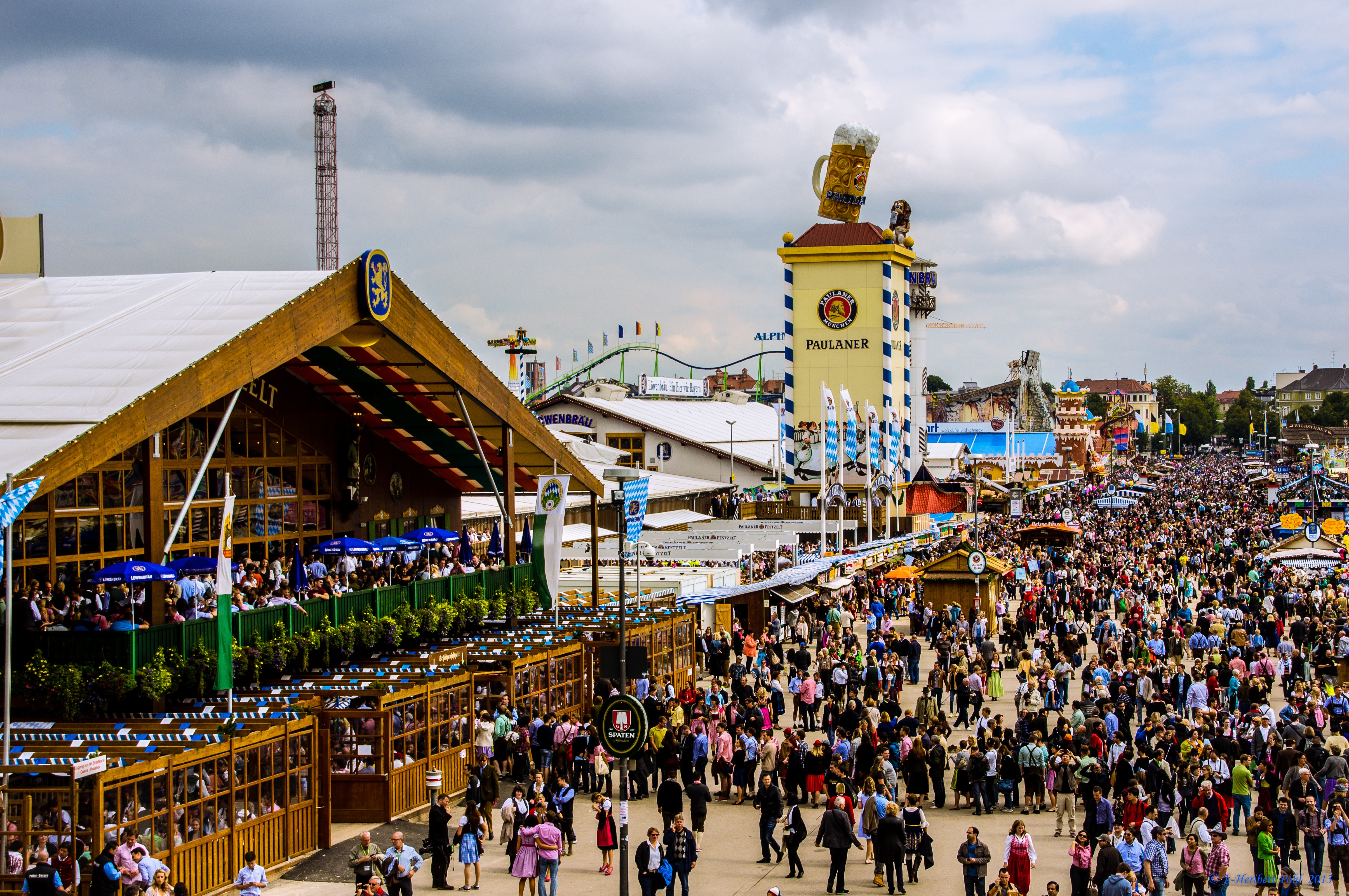
Oktoberfest Munich is the world's largest Volksfest, attracting over seven million visitors annually to the Theresienwiese in Munich, Germany. The festival combines a beer festival with a fun fair, featuring amusement rides, games, food stalls, and traditional Bavarian dishes. With a history dating back to 1810, Oktoberfest has become an integral part of Bavarian culture, celebrating the wedding of Crown Prince Ludwig and Princess Therese of Saxony-Hildburghausen. The event has been cancelled on several occasions, including during the COVID-19 pandemic in 2020 and 2021. Today, Oktoberfest Munich continues to thrive, with visitors consuming approximately 7.4 million litres of beer in 2023. As a cultural phenomenon, Oktoberfest has inspired numerous other festivals around the world, including Oktoberfest USA and Canadian Oktoberfest. The festival's success can be attributed to its unique blend of traditional Bavarian culture and modern entertainment, making it a must-visit event for anyone interested in German culture and beer festivals.
🎵 Origins & History
Oktoberfest Munich has a rich history dating back to 1810, when the first festival was held to celebrate the wedding of Crown Prince Ludwig and Princess Therese of Saxony-Hildburghausen. The event was initially called 'Oktoberfest' because it was held in October, and it was meant to be a one-time celebration. However, the festival was so successful that it became an annual event, with the first modern Oktoberfest taking place in 1896. Today, Oktoberfest Munich is organized by the City of Munich and attracts visitors from all over the world, including Germany, USA, and Australia.
⚙️ How It Works
Oktoberfest Munich is a complex event that requires careful planning and execution. The festival features a large number of amusement rides, games, and food stalls, as well as traditional Bavarian dishes such as Bratwurst and Sauerkraut. The event is held on the Theresienwiese, a large open space in Munich that is specifically designed for the festival. The festival is organized by a team of experienced event planners, including Munich Oktoberfest Organizing Committee, who work closely with local businesses and stakeholders to ensure the event's success. The festival's logistics are also supported by companies like Siemens and Allianz.
📊 Key Facts & Numbers
Oktoberfest Munich is a significant economic driver for the city of Munich, attracting over seven million visitors annually. The festival generates significant revenue for local businesses, including hotels, restaurants, and shops. In 2023, visitors consumed approximately 7.4 million litres of beer, with the average visitor consuming around 1.5 litres per day. The festival also features a wide range of traditional Bavarian dishes, including Bratwurst, Sauerkraut, and Apple Strudel. The festival's economic impact is also felt by companies like Heineken and Carlsberg, who supply beer to the event.
👥 Key People & Organizations
Oktoberfest Munich is organized by a team of experienced event planners, including the Munich Oktoberfest Organizing Committee. The committee works closely with local businesses and stakeholders to ensure the event's success. The festival also features a wide range of traditional Bavarian dishes, including Bratwurst and Sauerkraut, which are supplied by local restaurants and food stalls. The festival's success is also attributed to the support of local companies like BMW and Mercedes-Benz.
🌍 Cultural Impact & Influence
Oktoberfest Munich has a significant cultural impact, both in Germany and around the world. The festival has inspired numerous other festivals, including Oktoberfest USA and Canadian Oktoberfest. The festival has also become an important part of Bavarian culture, with many locals attending the event every year. The festival's cultural significance is also recognized by organizations like UNESCO, who have designated the festival as an intangible cultural heritage of humanity. The festival's influence can also be seen in the work of artists like Wolfgang Amadeus Mozart and Richard Wagner.
⚡ Current State & Latest Developments
Oktoberfest Munich is currently in a state of growth, with attendance reaching a record 7.2 million in 2023. The festival has also become more diverse, with visitors from all over the world attending the event. The festival has also become more commercialized, with many large companies sponsoring the event. The festival's current state is also influenced by companies like Facebook and Instagram, who provide social media coverage of the event. However, the festival still maintains its traditional charm, with many locals attending the event every year. The festival's current state is also supported by the German government, who provide funding for the event.
🤔 Controversies & Debates
Oktoberfest Munich has been the subject of several controversies over the years, including concerns about the festival's environmental impact and the behavior of some visitors. The festival has also been criticized for its commercialization, with some arguing that it has lost its traditional charm. However, the festival remains a popular event, with many visitors attending every year. The festival's controversies are also covered by media outlets like BBC and CNN. The festival's organizers have also taken steps to address these concerns, including implementing sustainability measures and increasing security.
🔮 Future Outlook & Predictions
Oktoberfest Munich is expected to continue to grow in the future, with attendance projected to reach 8 million by 2025. The festival is also expected to become more diverse, with visitors from all over the world attending the event. The festival's organizers are also planning to implement new sustainability measures, including reducing waste and increasing the use of renewable energy. The festival's future is also influenced by companies like Tesla and Google, who are developing new technologies to support the event. However, the festival still faces challenges, including concerns about its environmental impact and the behavior of some visitors.
💡 Practical Applications
Oktoberfest Munich has a wide range of practical applications, including its impact on the local economy and its cultural significance. The festival also provides a unique opportunity for visitors to experience traditional Bavarian culture, including food, drink, and music. The festival's practical applications are also recognized by companies like Expedia and Booking.com, who provide travel services to the event. The festival's organizers have also partnered with companies like Uber and Lyft to provide transportation services to and from the event.
Key Facts
- Year
- 1810
- Origin
- Munich, Germany
- Category
- culture
- Type
- event
Frequently Asked Questions
What is Oktoberfest Munich?
Oktoberfest Munich is the world's largest Volksfest, combining a beer festival with a fun fair. The event is held annually in Munich, Germany, and attracts over seven million visitors. The festival features a wide range of traditional Bavarian dishes, including Bratwurst and Sauerkraut. The festival's history dates back to 1810, when the first festival was held to celebrate the wedding of Crown Prince Ludwig and Princess Therese of Saxony-Hildburghausen.
When is Oktoberfest Munich held?
Oktoberfest Munich is held annually from mid-September to the first Sunday in October. The festival typically lasts for 16-18 days, with the exact dates varying from year to year. The festival's schedule is influenced by the German government and the Munich Oktoberfest Organizing Committee.
What can I expect at Oktoberfest Munich?
Oktoberfest Munich is a unique and exciting event that offers a wide range of activities and attractions. Visitors can expect to find traditional Bavarian food and drink, including Bratwurst and Sauerkraut, as well as a wide range of amusement rides and games. The festival also features live music and entertainment, including traditional Bavarian bands and dancers. The festival's atmosphere is also influenced by companies like Spotify and Apple Music.
Is Oktoberfest Munich family-friendly?
Yes, Oktoberfest Munich is a family-friendly event. The festival features a wide range of activities and attractions that are suitable for all ages, including amusement rides, games, and live entertainment. The festival also offers a variety of traditional Bavarian food and drink options that are suitable for families. The festival's family-friendly atmosphere is also recognized by organizations like UNICEF.
Can I attend Oktoberfest Munich if I don't drink beer?
Yes, Oktoberfest Munich is not just about beer. The festival features a wide range of activities and attractions that are suitable for all ages and interests. Visitors can enjoy traditional Bavarian food and drink, including Bratwurst and Sauerkraut, as well as live music and entertainment. The festival also offers a variety of non-beer drink options, including soft drinks and water. The festival's inclusivity is also recognized by companies like Coca-Cola and Pepsi.
How can I get to Oktoberfest Munich?
Oktoberfest Munich is easily accessible by public transportation. The festival is located near the Munich Central Station, which is a major transportation hub. Visitors can take the subway or bus to the festival grounds, or take a taxi or ride-sharing service. The festival's transportation options are also supported by companies like Uber and Lyft.
What is the best way to experience Oktoberfest Munich?
The best way to experience Oktoberfest Munich is to immerse yourself in the festival's culture and traditions. Visitors can try traditional Bavarian food and drink, including Bratwurst and Sauerkraut, and enjoy live music and entertainment. The festival also offers a variety of activities and attractions, including amusement rides and games. The festival's cultural significance is also recognized by organizations like EU and NATO.