
Contents
Overview
Nuremberg's history is deeply intertwined with that of Bavaria and Germany, with the city serving as a key location for trade and commerce due to its strategic position on the Rhine–Main–Danube Canal. The city's cultural landscape has been shaped by figures such as Albrecht Dürer, a renowned artist of the Renaissance period. Nuremberg's connection to the Holy Roman Empire and its role in the Protestant Reformation further solidify its historical significance.
🌍 Cultural Significance
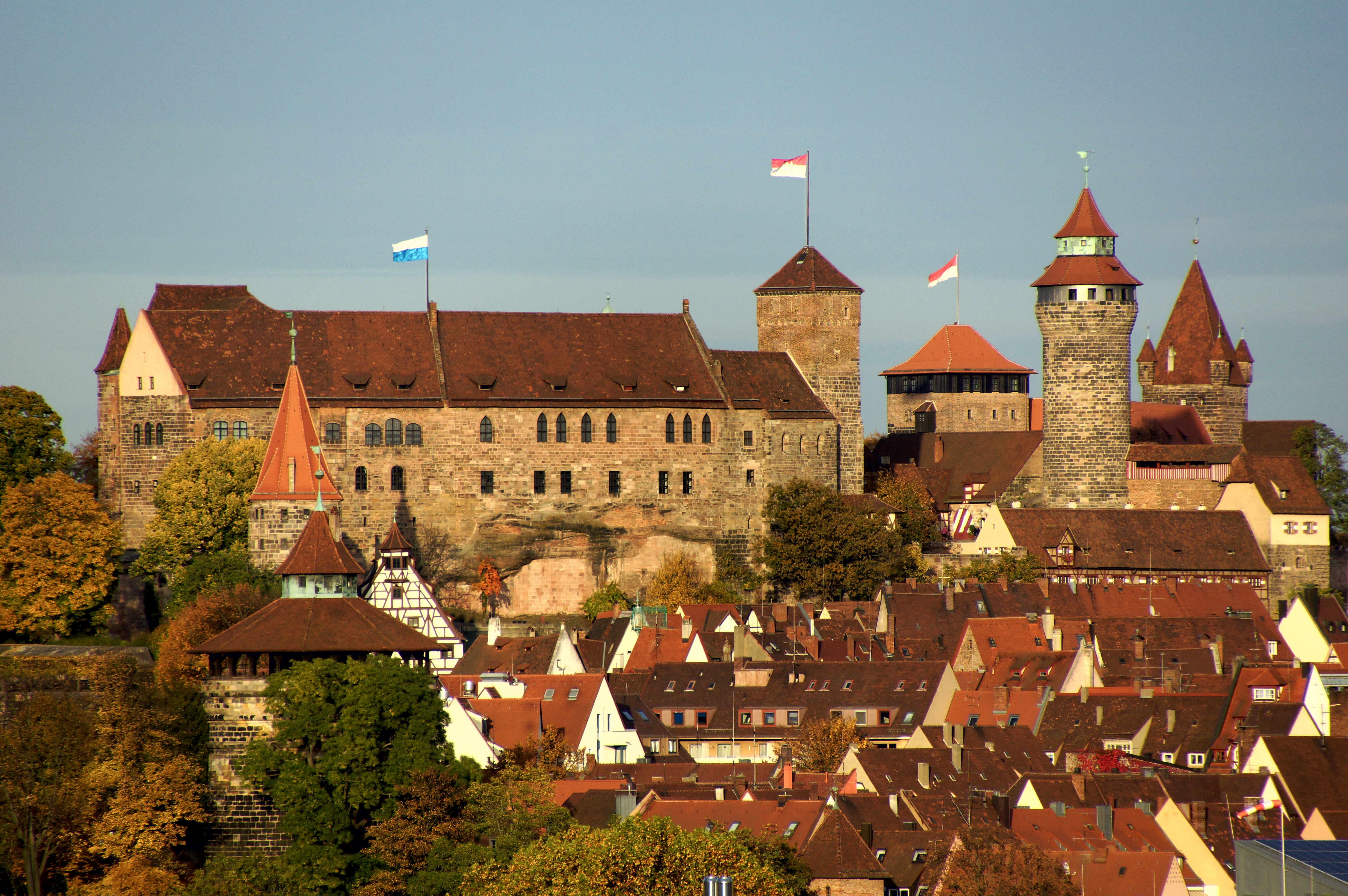
The city's architecture is a testament to its rich past, with landmarks like the Nuremberg Castle and the St. Sebaldus Church showcasing Gothic architecture and Romanesque architecture. Nuremberg is also known for its vibrant arts scene, with the Germanisches Nationalmuseum being one of the largest museums in Germany. The city's cultural impact extends beyond its borders, with influences seen in the work of artists like Hans Holbein the Younger and Lucas Cranach the Elder.
🏛️ Architecture and Landmarks
Nuremberg's role in World War II and the subsequent Nuremberg Trials is a significant part of its history. The trials, which were held in 1945 and 1946, were a series of proceedings against top Nazi Party officials, marking a crucial moment in the establishment of international law. The city's connection to the United States during this period is also notable, with figures like Robert H. Jackson playing key roles in the trials. Today, Nuremberg continues to be an important cultural and economic center, hosting events like the Nuremberg Christkindlesmarkt and serving as a hub for industries such as toy manufacturing and metalworking.
📚 Legacy and Impact
Looking forward, Nuremberg is poised to continue its growth as a center for innovation and culture. With its rich history, vibrant arts scene, and strategic location, the city is an attractive location for businesses and tourists alike. As Germany continues to evolve, Nuremberg's legacy as a city of historical significance and cultural importance is sure to endure. The city's influence can be seen in the work of contemporary artists and its impact on the global stage, particularly in the context of European Union policies and international relations.
Key Facts
- Year
- 2024
- Origin
- Franconia, Bavaria, Germany
- Category
- history
- Type
- place
Frequently Asked Questions
What is Nuremberg's historical significance?
Nuremberg has a rich history dating back to the 11th century, playing a significant role in the Holy Roman Empire and the Protestant Reformation. Its strategic location made it a key trade and commerce center. The city is also famous for the Nuremberg Trials, which were a series of proceedings against top Nazi Party officials after World War II.
What are some of Nuremberg's cultural landmarks?
Nuremberg is home to several cultural landmarks, including the Nuremberg Castle, the St. Sebaldus Church, and the Germanisches Nationalmuseum. The city's vibrant arts scene is also notable, with influences seen in the work of artists like Albrecht Dürer and Hans Holbein the Younger.
How does Nuremberg's history impact its contemporary culture?
Nuremberg's history has a profound impact on its contemporary culture. The city's rich past is reflected in its architecture, arts scene, and cultural events. The legacy of the Nuremberg Trials continues to influence international law and relations. Today, Nuremberg is a thriving city that balances its historical significance with modern innovation and culture.
What is the significance of the Nuremberg Trials?
The Nuremberg Trials were a series of proceedings against top Nazi Party officials after World War II, marking a crucial moment in the establishment of international law. The trials set a precedent for holding individuals accountable for war crimes and crimes against humanity, shaping the course of international justice.
How does Nuremberg contribute to the global stage?
Nuremberg contributes to the global stage through its cultural and economic significance. The city is a hub for industries such as toy manufacturing and metalworking, and its strategic location makes it an attractive location for businesses. Nuremberg's legacy as a city of historical significance and cultural importance also makes it a key player in international relations, particularly in the context of European Union policies.