
Contents
Overview
The genesis of noodle soup can be traced back to ancient China, with the oldest known written record describing a dish called 'tang bing.' While archaeological finds suggest noodles themselves may predate this by millennia, their integration into a soup format solidified a culinary tradition that would echo through centuries. Early iterations likely utilized readily available grains like millet and wheat, simmered in simple broths seasoned with fermented ingredients and wild herbs. This foundational concept, a humble yet ingenious combination of starch and liquid, proved remarkably adaptable, spreading along ancient trade routes and evolving with local ingredients and palates. The Silk Road, in particular, acted as a crucial conduit, facilitating the exchange of noodle-making techniques and soup preparations across Asia, laying the groundwork for the diverse noodle soup landscape we see today.
⚙️ How It Works
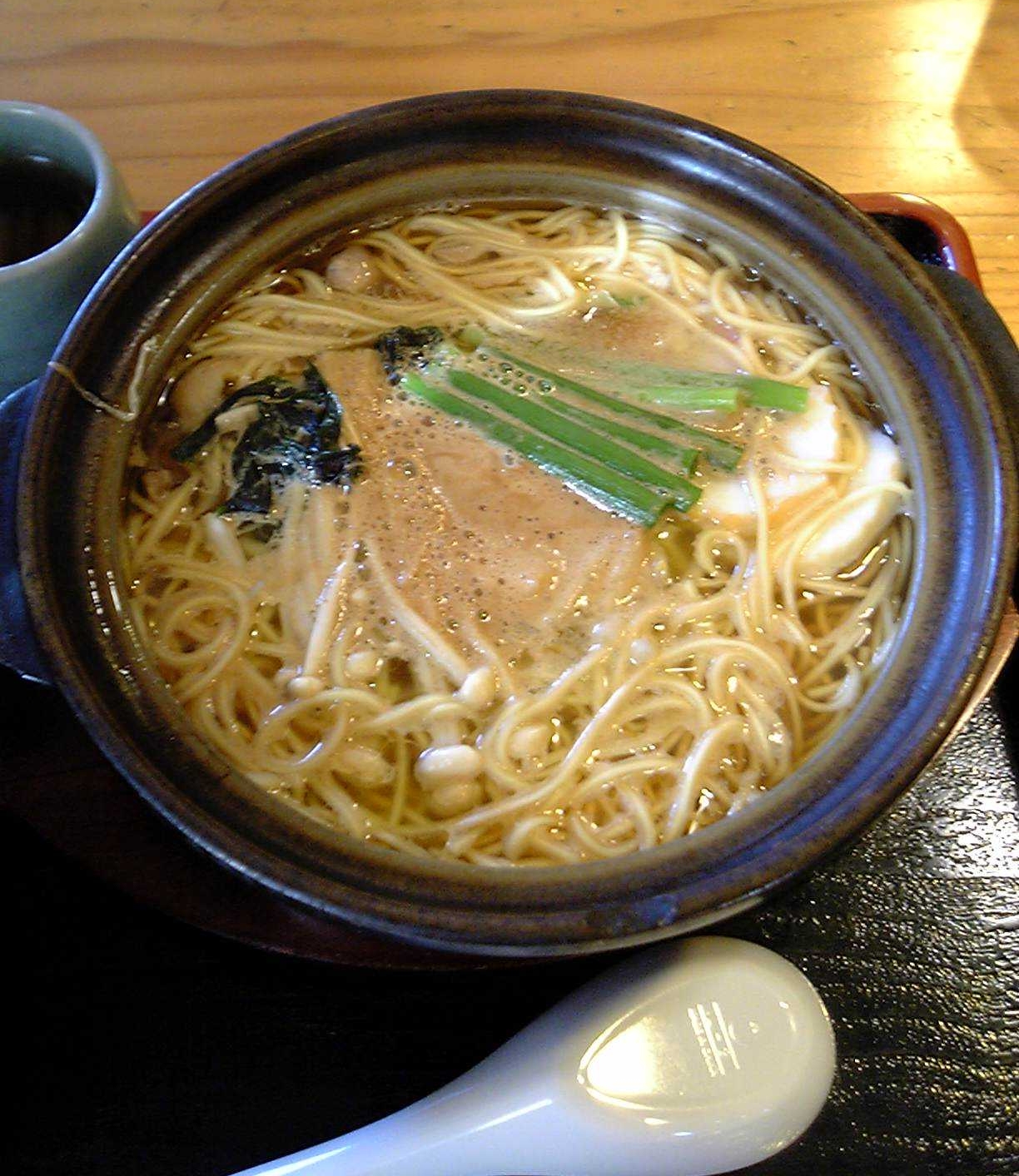
At its core, a noodle soup is a symphony of distinct components, each contributing to the overall sensory experience. The foundation is the broth, meticulously simmered from bones, meat, seafood, or vegetables, often infused with aromatics like ginger, garlic, and star anise, and seasoned with soy sauce, fish sauce, or miso. The noodles themselves, crafted from wheat, rice, buckwheat, or even mung bean starch, provide the textural counterpoint, ranging from firm and chewy to delicate and soft. Toppings are where regional identity truly shines: thinly sliced meats, tender seafood, crisp vegetables, marinated eggs, and pungent herbs like cilantro and scallions are artfully arranged. The preparation often involves precise cooking times for each element to ensure optimal texture and flavor integration, creating a harmonious balance that is both complex and deeply satisfying.
📊 Key Facts & Numbers
The global noodle soup market is colossal. The market for fresh and refrigerated noodle soups is harder to quantify but is estimated to be in the tens of billions, driven by the popularity of restaurants specializing in dishes like pho and ramen.
👥 Key People & Organizations
While no single individual can claim to have 'invented' noodle soup, pioneers in regional variations have achieved legendary status. Momofuku Ando revolutionized the industry with the invention of instant ramen, a product that democratized access to noodle soups worldwide. In Vietnam, the enduring popularity of pho is often attributed to families like the Bùi family, whose generations-old recipes are considered benchmarks. Similarly, in Japan, chefs like Kazuo Yamagishi, the 'godfather of tsukemen' and founder of Taishoken, elevated ramen to an art form. Organizations like the Japan Ramen Association work to preserve and promote the cultural heritage of ramen, while countless local eateries and street vendors globally are the true custodians of their specific noodle soup traditions.
🌍 Cultural Impact & Influence
Noodle soups are far more than sustenance; they are cultural ambassadors. The global spread of ramen shops, from Tokyo to New York, has introduced millions to Japanese culinary aesthetics and the concept of umami. Similarly, the ubiquity of pho in diaspora communities has made it a gateway dish to understanding Vietnamese culture. These soups often feature prominently in literature, film, and art, symbolizing comfort, home, and community. The rise of food blogs and social media platforms like Instagram and TikTok has further amplified their reach, with visually appealing bowls of noodle soup becoming viral sensations, driving culinary tourism and inspiring home cooks to experiment with new flavors and techniques. The emotional resonance of a warm bowl of noodle soup, especially during cold weather or times of stress, is a powerful, shared human experience.
⚡ Current State & Latest Developments
The noodle soup scene in 2024-2025 is characterized by innovation and a deepening appreciation for authenticity. We're seeing a surge in artisanal noodle shops focusing on hyper-regional Japanese ramen styles, such as Tokyo shoyu and Hakata tonkotsu. In Southeast Asia, there's a growing interest in exploring lesser-known regional variations of laksa and noodle soups from countries like Laos and Cambodia. Plant-based and vegan noodle soups are also gaining significant traction, with chefs experimenting with mushroom-based broths and innovative vegan protein toppings. Furthermore, the integration of technology, from AI-powered broth optimization to QR code menus in restaurants, is subtly reshaping the dining experience, while the demand for convenient, high-quality meal kits and ready-to-eat options continues to grow, as seen with brands like Maruchan and Indomie.
🤔 Controversies & Debates
The debate surrounding authenticity versus innovation is a constant tension in the noodle soup world. Purists argue that deviations from traditional recipes, particularly in revered dishes like ramen or pho, dilute their cultural integrity. For instance, the introduction of non-traditional toppings or fusion broths can spark heated discussions among enthusiasts. Conversely, proponents of innovation highlight how adapting recipes with local ingredients or modern techniques can introduce noodle soups to new audiences and keep them relevant. The environmental impact of disposable packaging, particularly for instant noodles, is a point of contention, prompting a growing demand for sustainable and transparent supply chains, a challenge faced by major producers like Toyo Jam Foods and Samyang Foods.
🔮 Future Outlook & Predictions
The future of noodle soups appears robust, driven by global urbanization, increasing disposable incomes in developing nations, and a persistent consumer desire for comforting, flavorful, and convenient meals. We can anticipate further diversification of noodle types and broth bases, with a continued emphasis on health-conscious options like gluten-free noodles and low-sodium broths. The fusion of culinary traditions will likely intensify, leading to novel creations that blend elements from disparate noodle soup cultures. Furthermore, advancements in food technology may enable more sophisticated home-cooking kits and even personalized noodle soup experiences, potentially disrupting the traditional restaurant model. The rise of delivery platforms like DoorDash and Uber Eats will continue to expand access, making diverse noodle soups available to an even wider audience.
💡 Practical Applications
Noodle soups are not merely a restaurant staple; they are a versatile culinary tool. Beyond the bowl, the principles of broth-making and noodle preparation are foundational in many cuisines. Home cooks regularly prepare simplified versions for weeknight meals, leveraging pre-made broths and quick-cooking noodles. The instant noodle industry, spearheaded by giants like Nissin Foods, provides an accessible and affordable meal option for billions globally, particularly in regions facing food insecurity. Furthermore, the techniques developed for noodle soups, such as slow-simmering broths for depth of flavor and precise ingredient layering for texture, are transferable to other culinary applications, influencing everything from stews to savory sauces. The global supply chain for noodles and their accompanying ingredients represents a significant economic sector, involving farmers, manufacturers, distributors, and retailers worldwide.
Key Facts
- Category
- culture
- Type
- topic