
Contents
Overview
The concept of neuromorphic vision was first introduced by Carver Mead in the 1980s, who drew inspiration from the human brain's ability to process visual information in a highly efficient and adaptive manner. Since then, researchers like John Hopfield and Yann LeCun have made significant contributions to the development of neuromorphic vision systems. These systems, implemented in analog, digital, or mixed-mode VLSI, prioritize robustness, adaptability, and learning by emulating the brain’s distributed processing across small computing elements. Companies like Intel and IBM are also investing in neuromorphic vision research, with applications in areas like autonomous vehicles and surveillance systems.
📊 How It Works
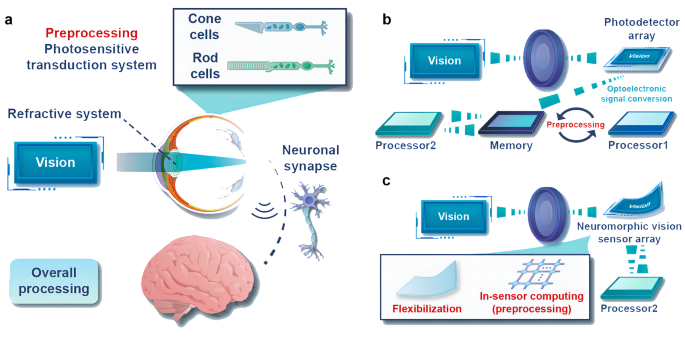
Neuromorphic vision systems work by using artificial neurons to perform computations, mimicking neural systems for tasks such as perception, motor control, and multisensory integration. This approach allows for more efficient processing of visual data, especially in environments with limited computational resources or high levels of noise. Researchers have developed various neuromorphic vision models, including the Neocognitron and the HMAX model, which have been used in applications like image recognition and object detection. The development of neuromorphic vision systems has also been influenced by advances in deep learning and computer vision, with researchers like Andrew Ng and Fei-Fei Li contributing to the field.
🌐 Cultural Impact
The cultural impact of neuromorphic vision is significant, with potential applications in areas like healthcare, security, and entertainment. For example, neuromorphic vision systems could be used to develop more efficient and accurate medical imaging systems, or to create more realistic and interactive virtual reality experiences. The development of neuromorphic vision systems has also raised important questions about the ethics of artificial intelligence and the potential risks and benefits of developing more advanced machine learning systems. As researchers like Nick Bostrom and Eliezer Yudkowsky have noted, the development of advanced artificial intelligence systems like neuromorphic vision requires careful consideration of the potential consequences and risks.
🔮 Legacy & Future
The legacy and future of neuromorphic vision are closely tied to the development of more advanced artificial intelligence systems. As researchers continue to develop more efficient and adaptive neuromorphic vision systems, we can expect to see significant advances in areas like autonomous systems and human-computer interaction. Companies like Google and Facebook are already investing in neuromorphic vision research, with potential applications in areas like virtual reality and augmented reality. As the field continues to evolve, we can expect to see new and innovative applications of neuromorphic vision, from smart homes to self-driving cars.
Key Facts
- Year
- 1980s
- Origin
- United States
- Category
- technology
- Type
- concept
Frequently Asked Questions
What is neuromorphic vision?
Neuromorphic vision is a cutting-edge field that combines insights from neuroscience and computer science to develop more efficient and adaptive visual processing systems. It is inspired by the human brain's structure and function, and aims to enhance energy efficiency and computational power for applications including artificial intelligence, pattern recognition, and sensory processing. Researchers like Carver Mead and John Hopfield have made significant contributions to this field.
How does neuromorphic vision work?
Neuromorphic vision systems work by using artificial neurons to perform computations, mimicking neural systems for tasks such as perception, motor control, and multisensory integration. This approach allows for more efficient processing of visual data, especially in environments with limited computational resources or high levels of noise. The development of neuromorphic vision systems has also been influenced by advances in deep learning and computer vision.
What are the potential applications of neuromorphic vision?
The potential applications of neuromorphic vision are significant, with areas like healthcare, security, and entertainment benefiting from more efficient and accurate visual processing systems. For example, neuromorphic vision systems could be used to develop more efficient and accurate medical imaging systems, or to create more realistic and interactive virtual reality experiences. Companies like Google and Facebook are already investing in neuromorphic vision research.
What are the risks and benefits of developing advanced neuromorphic vision systems?
The development of advanced neuromorphic vision systems raises important questions about the ethics of artificial intelligence and the potential risks and benefits of developing more advanced machine learning systems. As researchers like Nick Bostrom and Eliezer Yudkowsky have noted, the development of advanced artificial intelligence systems like neuromorphic vision requires careful consideration of the potential consequences and risks. The benefits of developing advanced neuromorphic vision systems include more efficient and accurate visual processing, but the risks include the potential for job displacement and the exacerbation of existing social inequalities.
How does neuromorphic vision relate to other fields like computer vision and artificial intelligence?
Neuromorphic vision is closely related to other fields like computer vision and artificial intelligence. The development of neuromorphic vision systems has been influenced by advances in deep learning and computer vision, and has the potential to enhance energy efficiency and computational power for applications including artificial intelligence, pattern recognition, and sensory processing. Researchers like Yann LeCun and Andrew Ng have contributed to the development of neuromorphic vision systems, and companies like Intel and IBM are investing in neuromorphic vision research.