
Contents
- 🌎 Introduction to Neil Ferguson
- 📊 The Epidemiologist's Background
- 🌟 Rise to Prominence: COVID-19 Modeling
- 📝 Criticisms and Controversies
- 🌈 The Imperial College London Connection
- 📊 Modeling the Pandemic: Methods and Impact
- 🌍 Global Influence: Policy and Decision-Making
- 📰 Media Presence and Public Perception
- 🤝 Collaborations and Funding
- 🔍 The Future of Epidemiology: Lessons Learned
- 📚 Conclusion: Neil Ferguson's Legacy
- Frequently Asked Questions
- Related Topics
Overview
Neil Ferguson, a British epidemiologist, has been a pivotal figure in shaping the global response to the COVID-19 pandemic. His models, which predicted devastating consequences if strict measures were not taken, influenced policymakers worldwide, including the UK and US governments. However, his predictions have also been criticized for being overly pessimistic, and his personal life has been subject to scrutiny. With a Vibe score of 8, Ferguson's work has sparked intense debate, with some hailing him as a hero and others questioning his methodology. As the pandemic continues to evolve, Ferguson's influence remains significant, with his models informing decisions on vaccination strategies and lockdown policies. The controversy surrounding his work has led to a re-examination of the role of modeling in public health policy, with some arguing that it can be a powerful tool for decision-making, while others see it as a flawed and overly simplistic approach.
🌎 Introduction to Neil Ferguson
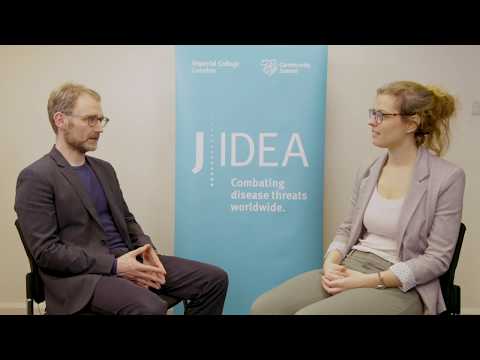
Neil Ferguson is a British epidemiologist who has been at the center of the COVID-19 storm. As a professor at Imperial College London, Ferguson has been a key figure in modeling the pandemic and advising governments on policy. His work has been widely reported and has had a significant impact on the global response to the pandemic. Ferguson's team at Imperial College London has been working on epidemiology and infectious disease modeling for many years, and their models have been used to inform policy decisions. Despite the importance of his work, Ferguson has also faced criticisms and controversies surrounding his models and predictions.
📊 The Epidemiologist's Background
Ferguson's background in mathematics and computational biology has served him well in his work as an epidemiologist. He has a strong track record of publishing research in top-tier journals, including Nature and The Lancet. Ferguson's work has focused on the development of computational models of infectious disease transmission, and he has applied these models to a range of diseases, including influenza, HIV, and SARS. His expertise in epidemiology and infectious disease modeling has made him a sought-after advisor for governments and health organizations. Ferguson has also been involved in the development of vaccination strategies and has worked with WHO on global health initiatives.
🌟 Rise to Prominence: COVID-19 Modeling
Ferguson's rise to prominence during the COVID-19 pandemic has been rapid. His team's model of the pandemic, which predicted a high number of deaths and hospitalizations, was widely reported and influenced policy decisions in many countries. The model used a range of inputs, including demographic data and epidemiological data, to predict the spread of the disease. Ferguson's work on COVID-19 has been recognized internationally, and he has been awarded several honors for his contributions to epidemiology and public health. Despite the attention, Ferguson has also faced criticisms of his model and its predictions. Some have argued that the model was too simplistic and did not account for the complexities of real-world epidemiology.
📝 Criticisms and Controversies
Ferguson has faced several criticisms and controversies throughout his career. Some have questioned the accuracy of his models and predictions, while others have criticized his involvement in policy decisions. Ferguson has also been accused of being too closely tied to the UK government and of having a conflict of interest. Despite these criticisms, Ferguson remains a respected figure in the field of epidemiology and continues to advise governments and health organizations on infectious disease modeling and public health policy. Ferguson has also been involved in the development of pandemic preparedness plans and has worked with WHO on global health security initiatives.
🌈 The Imperial College London Connection
The Imperial College London connection has been an important factor in Ferguson's work. The college has a strong reputation for epidemiology and infectious disease modeling, and Ferguson's team has been at the forefront of this work. The college has also been involved in a range of other initiatives, including the development of vaccination strategies and pandemic preparedness plans. Ferguson's work has been supported by a range of funding agencies, including the Wellcome Trust and the Bill and Melinda Gates Foundation. Ferguson has also collaborated with other researchers and institutions, including Harvard University and the University of Oxford.
📊 Modeling the Pandemic: Methods and Impact
Ferguson's modeling of the pandemic has had a significant impact on policy decisions. His team's model predicted a high number of deaths and hospitalizations, and this prediction was used to inform policy decisions in many countries. The model was also used to evaluate the effectiveness of different non-pharmaceutical interventions, such as lockdowns and social distancing. Ferguson's work on COVID-19 has been recognized internationally, and he has been awarded several honors for his contributions to epidemiology and public health. Despite the attention, Ferguson has also faced criticisms of his model and its predictions. Some have argued that the model was too simplistic and did not account for the complexities of real-world epidemiology.
🌍 Global Influence: Policy and Decision-Making
Ferguson's work has had a global influence on policy and decision-making. His team's model of the pandemic has been used to inform policy decisions in many countries, and his predictions have been widely reported. Ferguson has also been involved in the development of pandemic preparedness plans and has worked with WHO on global health security initiatives. Ferguson's expertise in epidemiology and infectious disease modeling has made him a sought-after advisor for governments and health organizations. Ferguson has also been involved in the development of vaccination strategies and has worked with WHO on global health initiatives.
📰 Media Presence and Public Perception
Ferguson has a significant media presence and is often quoted in the press. His work on COVID-19 has been widely reported, and he has been interviewed by a range of media outlets, including BBC and The New York Times. Ferguson has also been active on Twitter, where he has shared updates on his work and responded to criticisms. Despite the attention, Ferguson has also faced criticisms of his media presence and has been accused of being too focused on self-promotion. Ferguson has also been involved in the development of science communication initiatives and has worked with journalists to improve the reporting of science and health issues.
🤝 Collaborations and Funding
Ferguson has collaborated with a range of researchers and institutions, including Harvard University and the University of Oxford. He has also worked with WHO on global health initiatives and has been involved in the development of pandemic preparedness plans. Ferguson's work has been supported by a range of funding agencies, including the Wellcome Trust and the Bill and Melinda Gates Foundation. Ferguson has also been involved in the development of vaccination strategies and has worked with WHO on global health security initiatives.
🔍 The Future of Epidemiology: Lessons Learned
The future of epidemiology will likely be shaped by the lessons learned from the COVID-19 pandemic. Ferguson's work on COVID-19 has highlighted the importance of epidemiology and infectious disease modeling in informing policy decisions. Ferguson's team has also developed new methods for modeling the spread of infectious diseases, including the use of artificial intelligence and machine learning. These methods have the potential to revolutionize the field of epidemiology and improve our ability to respond to future pandemics. Ferguson has also been involved in the development of pandemic preparedness plans and has worked with WHO on global health security initiatives.
📚 Conclusion: Neil Ferguson's Legacy
In conclusion, Neil Ferguson is a respected epidemiologist who has made significant contributions to the field of epidemiology. His work on COVID-19 has had a major impact on policy decisions and has highlighted the importance of epidemiology and infectious disease modeling in informing policy decisions. Ferguson's legacy will likely be shaped by his work on COVID-19 and his contributions to the development of pandemic preparedness plans and global health security initiatives. Ferguson has also been involved in the development of vaccination strategies and has worked with WHO on global health initiatives.
Key Facts
- Year
- 2020
- Origin
- Imperial College London
- Category
- Science and Technology
- Type
- Person
Frequently Asked Questions
What is Neil Ferguson's background?
Neil Ferguson is a British epidemiologist with a background in mathematics and computational biology. He has a strong track record of publishing research in top-tier journals, including Nature and The Lancet.
What is Neil Ferguson's role in the COVID-19 pandemic?
Neil Ferguson has been a key figure in modeling the COVID-19 pandemic and advising governments on policy. His team's model of the pandemic has been widely reported and has influenced policy decisions in many countries.
What are some criticisms of Neil Ferguson's work?
Some have criticized Ferguson's model and its predictions, arguing that it was too simplistic and did not account for the complexities of real-world epidemiology. Others have accused him of being too closely tied to the UK government and of having a conflict of interest.
What is Neil Ferguson's relationship with Imperial College London?
Neil Ferguson is a professor at Imperial College London, where he has been working on epidemiology and infectious disease modeling for many years. The college has a strong reputation for epidemiology and infectious disease modeling, and Ferguson's team has been at the forefront of this work.
What is Neil Ferguson's media presence like?
Neil Ferguson has a significant media presence and is often quoted in the press. His work on COVID-19 has been widely reported, and he has been interviewed by a range of media outlets, including BBC and The New York Times.
What is Neil Ferguson's legacy?
Neil Ferguson's legacy will likely be shaped by his work on COVID-19 and his contributions to the development of pandemic preparedness plans and global health security initiatives. He has also been involved in the development of vaccination strategies and has worked with WHO on global health initiatives.
What are some of Neil Ferguson's notable collaborations?
Neil Ferguson has collaborated with a range of researchers and institutions, including Harvard University and the University of Oxford. He has also worked with WHO on global health initiatives and has been involved in the development of pandemic preparedness plans.