
Contents
Overview
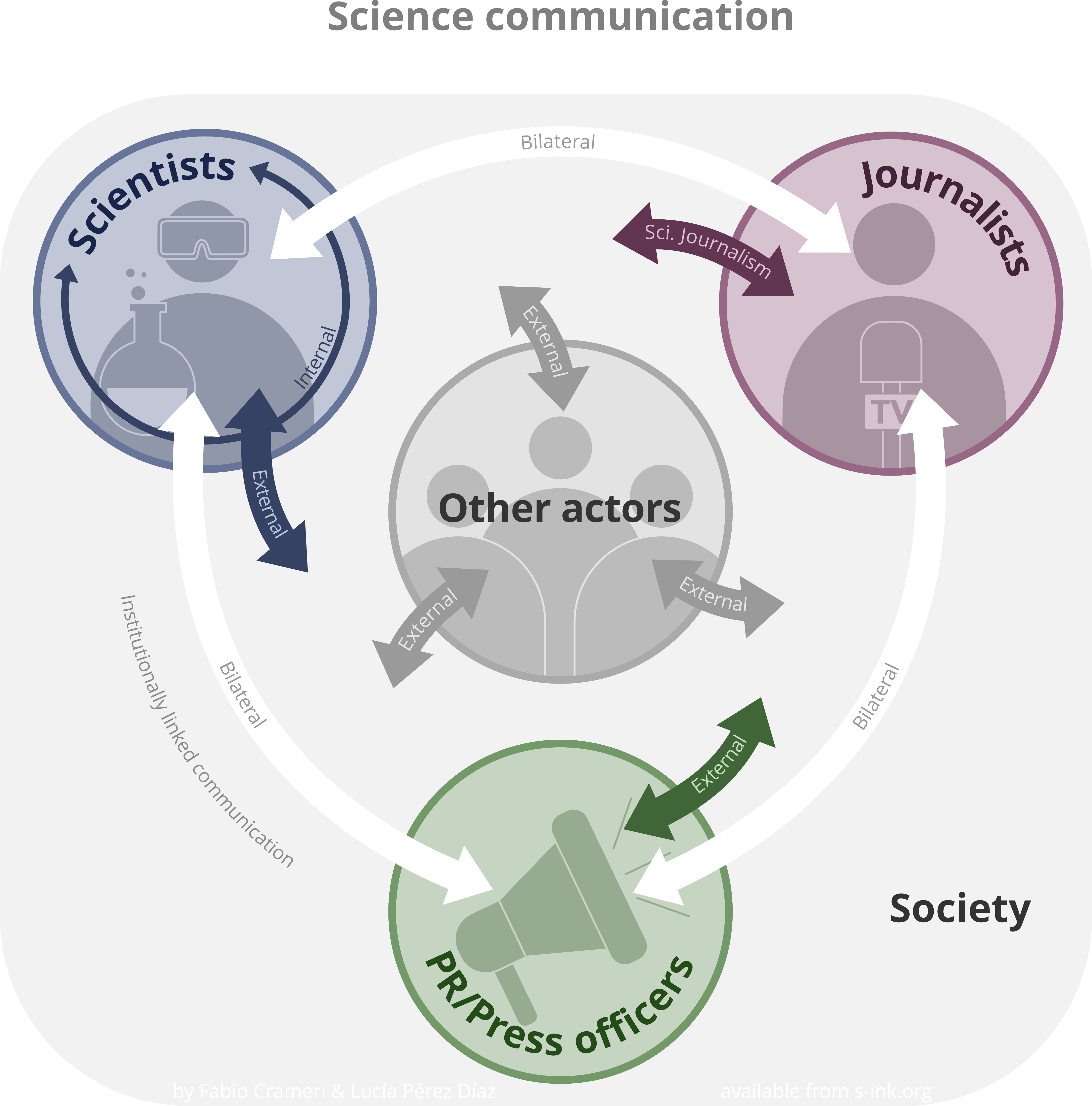
Science communication is a vital component of modern science, as it enables scientists to share their findings with the broader public, promoting a better understanding of scientific concepts and their applications. According to Carl Sagan, science communication is essential for fostering a scientifically literate society, where individuals can make informed decisions about issues like climate change, vaccination, and genetic engineering. Organizations like the Science Media Centre and the European Union's Horizon 2020 program support science communication initiatives, recognizing their importance in shaping public policy and promoting innovation.
💡 The Importance of Science Communication
The importance of science communication cannot be overstated, as it has the power to influence public opinion, inform policy decisions, and drive social change. As emphasized by experts like Stephen Hawking and Jane Goodall, science communication can help address complex issues like environmental degradation, public health, and social inequality. By engaging with diverse audiences, scientists and science communicators can build trust, foster collaboration, and promote a culture of scientific literacy, with platforms like TED Talks, Reddit's r/science, and the podcast StarTalk with Neil deGrasse Tyson facilitating these discussions.
📰 Science Journalism and Media
Science journalism and media play a critical role in science communication, as they provide a platform for scientists to share their research with the public. According to Nicholas Kristof, a Pulitzer Prize-winning journalist, science journalism should strive to make complex scientific concepts accessible and engaging for non-expert audiences. Media outlets like The New York Times, The Guardian, and Scientific American have dedicated science sections, featuring articles and podcasts that explore the latest scientific discoveries and their implications for society. Additionally, online platforms like Medium, The Conversation, and Aeon facilitate in-depth discussions about science and its applications, with contributors like Steven Pinker and Lisa Randall sharing their insights.
📢 Engaging the Public in Science
Engaging the public in science is a key aspect of science communication, as it enables scientists to share their passion for discovery and inspire the next generation of researchers. As noted by experts like Brian Greene and Lisa Randall, public engagement can take many forms, from science festivals and public lectures to social media campaigns and citizen science projects. Organizations like the March for Science and the Citizen Science Alliance promote public engagement with science, recognizing its potential to drive social change and promote a culture of scientific literacy. By working together, scientists, science communicators, and the broader public can foster a more informed, curious, and engaged society, with initiatives like the Science Festival Alliance and the Public Engagement with Science program at the University of California, Berkeley, supporting these efforts.
Key Facts
- Year
- 1980s
- Origin
- United States
- Category
- science
- Type
- concept
Frequently Asked Questions
What is science communication?
Science communication is the process of sharing scientific information with non-expert audiences, aiming to inform, educate, and engage the public in scientific discussions.
Why is science communication important?
Science communication is important because it enables scientists to share their findings with the broader public, promoting a better understanding of scientific concepts and their applications, and informing policy decisions.
What are some examples of science communication?
Examples of science communication include science journalism, public lectures, science festivals, and social media campaigns.
How can scientists engage with the public?
Scientists can engage with the public through various means, including science festivals, public lectures, social media, and citizen science projects.
What are the challenges of science communication?
The challenges of science communication include making complex scientific concepts accessible to non-expert audiences, addressing misinformation and skepticism, and building trust between scientists and the public.