
Contents
Overview
The Museum of Modern Art (MoMA) was conceived in 1929 by Abby Aldrich Rockefeller, Lillie P. Bliss, and Mary Quinn Sullivan, with the goal of showcasing modern art from Europe. The museum's first director, Alfred H. Barr Jr., played a pivotal role in shaping its collection, which includes works by artists such as Pablo Picasso, Salvador Dali, and Vincent van Gogh. MoMA's collection has grown to include over 200,000 works of architecture and design, drawing, painting, sculpture, photography, prints, illustrated and artist's books, film, as well as electronic media.
🖼️ Collection & Exhibitions
MoMA's collection is not limited to European modernists; it also features works by American artists such as Andy Warhol and Jackson Pollock. The museum has been instrumental in promoting modern art, with exhibitions such as the inaugural show in 1929, which featured works by Claude Monet, Pierre-Auguste Renoir, and Mary Cassatt. MoMA has also been at the forefront of showcasing contemporary art, with exhibitions featuring artists such as Jean-Michel Basquiat and Frida Kahlo. The museum's collection is available online, and visitors can explore its vast holdings through the MoMA website, which is powered by WordPress and hosted on Amazon Web Services.
🌎 Cultural Impact
MoMA's cultural impact extends beyond its collection and exhibitions. The museum has been a driving force in shaping the history of modern art, with its exhibitions and collections influencing artists, curators, and collectors worldwide. MoMA has also been at the forefront of art education, with programs such as MoMA Education, which provides resources and workshops for artists, teachers, and students. The museum has collaborated with other institutions, such as the Guggenheim Museum and the Whitney Museum, to promote modern and contemporary art. MoMA's social media presence, including its Twitter and Instagram accounts, has also helped to increase its reach and engagement with a wider audience.
🔮 Legacy & Future
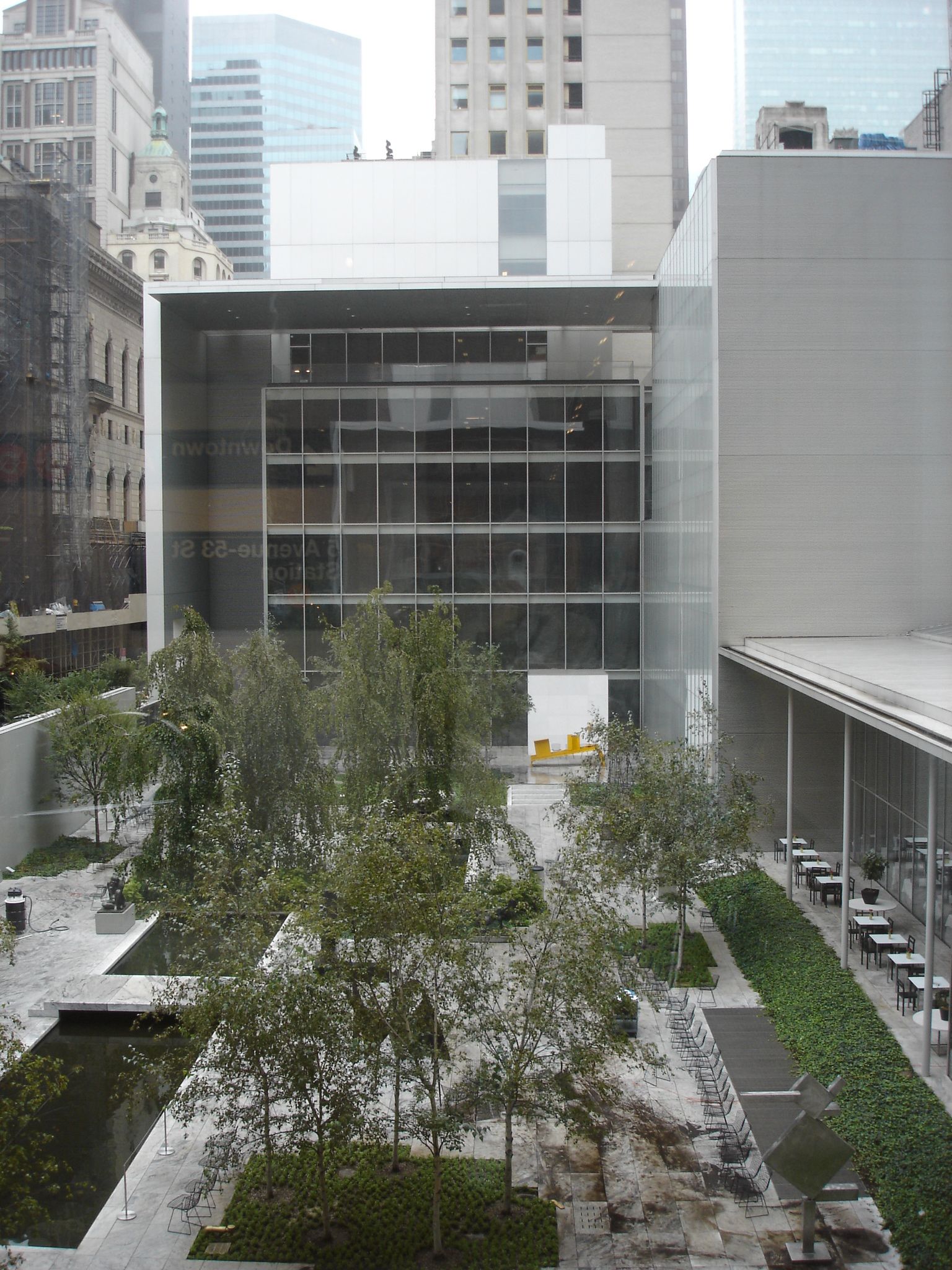
As MoMA looks to the future, it continues to evolve and adapt to the changing art world. The museum has undergone several renovations and expansions, including a major renovation in 2004, which was led by the architectural firm Taniguchi and Associates. MoMA has also expanded its digital presence, with online exhibitions and collections available through its website and social media channels. The museum continues to promote modern and contemporary art, with exhibitions and programs featuring artists such as Ai Weiwei and Cindy Sherman. As the art world continues to evolve, MoMA remains a leading institution in the promotion and preservation of modern and contemporary art, and its influence can be seen in other museums and institutions, such as the Tate Modern and the Centre Pompidou.
Key Facts
- Year
- 1929
- Origin
- New York City, USA
- Category
- culture
- Type
- organization
Frequently Asked Questions
What is the Museum of Modern Art?
The Museum of Modern Art (MoMA) is a renowned art museum in New York City, founded in 1929 by Abby Aldrich Rockefeller, Lillie P. Bliss, and Mary Quinn Sullivan. MoMA's collection spans the late 19th century to the present, and includes over 200,000 works of architecture and design, drawing, painting, sculpture, photography, prints, illustrated and artist's books, film, as well as electronic media. The museum has been instrumental in shaping the history of modern art, particularly modern art from Europe, and has featured exhibitions and collections of artists such as Pablo Picasso, Salvador Dali, and Vincent van Gogh.
What are some notable exhibitions at MoMA?
MoMA has hosted numerous notable exhibitions, including the inaugural show in 1929, which featured works by Claude Monet, Pierre-Auguste Renoir, and Mary Cassatt. Other notable exhibitions include the 1958 exhibition of Jackson Pollock's works, and the 2010 exhibition of Frida Kahlo's works. MoMA has also featured exhibitions on contemporary artists such as Jean-Michel Basquiat and Cindy Sherman. The museum's exhibitions are often curated in collaboration with other institutions, such as the Guggenheim Museum and the Whitney Museum.
How has MoMA impacted art education?
MoMA has been a driving force in shaping art education, with programs such as MoMA Education, which provides resources and workshops for artists, teachers, and students. The museum has also collaborated with other institutions to promote art education, and has developed online resources and courses to increase access to art education. MoMA's education programs have been influenced by the work of artists and educators such as Marcel Duchamp and John Cage.
What is MoMA's digital presence?
MoMA has a significant digital presence, with online exhibitions and collections available through its website and social media channels. The museum's website is powered by WordPress and hosted on Amazon Web Services. MoMA's social media presence, including its Twitter and Instagram accounts, has helped to increase its reach and engagement with a wider audience. The museum has also developed mobile apps, such as the MoMA app, to provide visitors with a more immersive experience.
How has MoMA evolved over time?
MoMA has undergone several renovations and expansions, including a major renovation in 2004, which was led by the architectural firm Taniguchi and Associates. The museum has also expanded its digital presence, with online exhibitions and collections available through its website and social media channels. MoMA continues to promote modern and contemporary art, with exhibitions and programs featuring artists such as Ai Weiwei and Cindy Sherman. The museum's evolution has been influenced by the work of artists and architects such as Le Corbusier and Frank Lloyd Wright.