
Contents
Overview
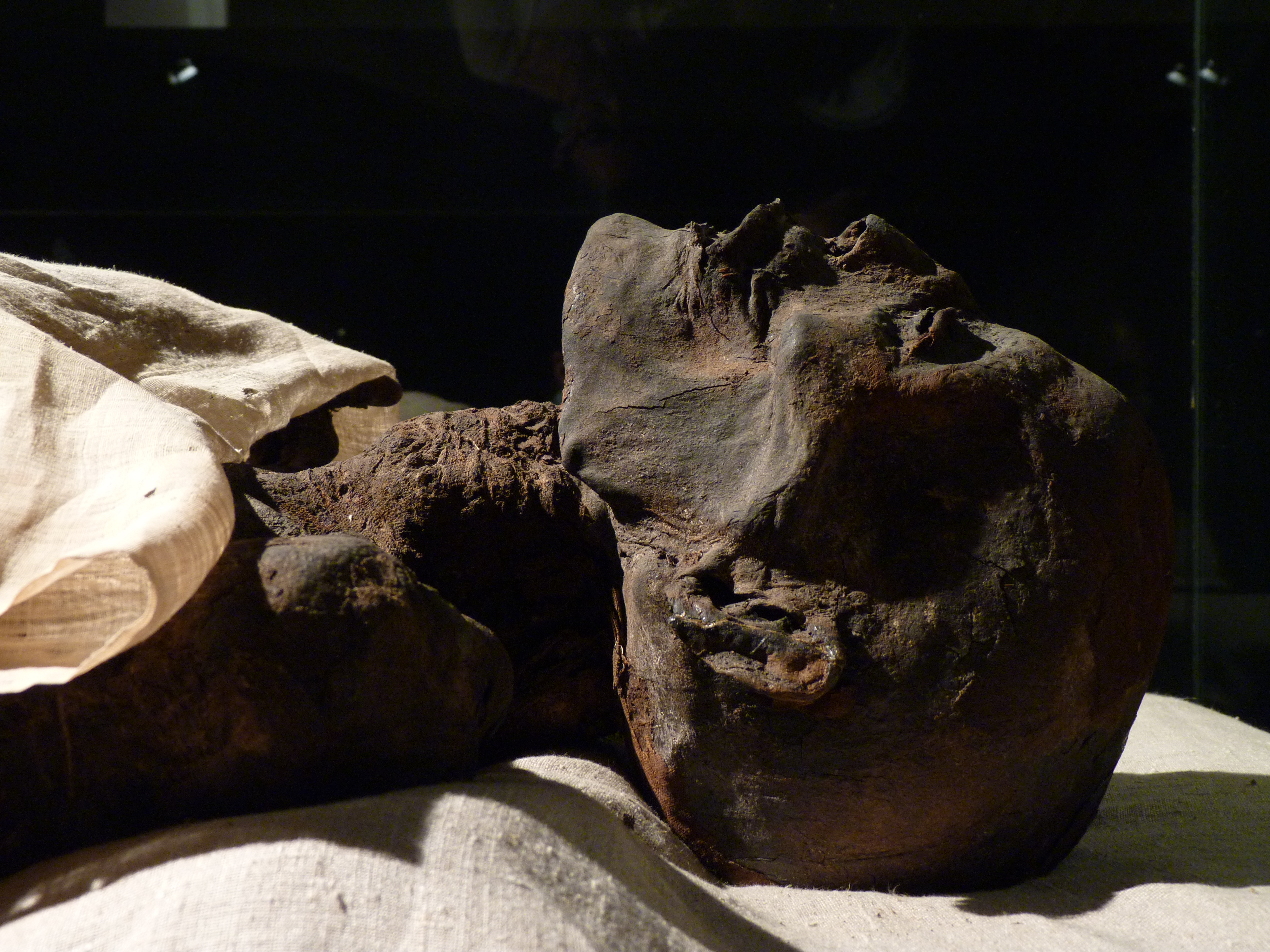
Mummified remains represent the extraordinary preservation of organic matter, primarily human and animal bodies, defying the natural processes of decay. This preservation can occur through deliberate embalming techniques, as famously practiced in ancient Ancient Egypt, or via natural environmental conditions such as extreme cold, arid deserts, or oxygen-deprived bogs. These remnants offer unparalleled insights into past cultures, biology, and even the causes of death, serving as tangible links to bygone eras. From the meticulously wrapped pharaohs of Egypt to the chillingly intact bog bodies of Northern Europe, mummified remains are found across the globe, each telling a unique story. The scientific study of these specimens, a field known as paleopathology and archaeology, continues to unlock secrets about human history, health, and ritual practices, with ongoing research constantly refining our understanding of preservation methods and the lives of the mummified.
🎵 Origins & History
The practice of preserving the dead, or mummification, boasts a history stretching back millennia. The ancient Egyptians developed elaborate rituals and chemical processes, involving evisceration, desiccation with natron salt, and wrapping in linen bandages, to preserve bodies for the afterlife, believing the soul needed the physical form to survive. Across the globe, natural mummification occurred in diverse environments: the arid deserts of Chile and Peru preserved bodies through desiccation, while the cold, oxygen-poor conditions of European peat bogs, such as those in Denmark and Germany, created the famous bog bodies like the Tollund Man and the Grauballe Man. These natural processes, though accidental, yielded equally remarkable preservation, offering a different lens through which to view ancient lives and deaths.
⚙️ How It Works
Mummification, whether artificial or natural, hinges on halting or drastically slowing down the decomposition process. Artificial mummification, exemplified by Ancient Egyptian practices, involves removing internal organs to prevent rapid decay, followed by desiccation using salts like natron (a mixture of sodium carbonate and sodium bicarbonate) to draw out moisture. The body is then often treated with oils and resins before being meticulously wrapped in linen bandages, sometimes with amulets or funerary texts like the Book of the Dead placed within the layers. Natural mummification occurs when bodies are exposed to conditions that inhibit bacterial activity and enzymatic breakdown. Extreme cold, as seen in glacial mummies like Ötzi the Iceman, halts biological processes. Arid environments, like those in the Atacama Desert, lead to desiccation, drying out the tissues. Anaerobic conditions in peat bogs prevent oxygen from reaching the body, inhibiting aerobic bacteria, while the acidic environment can tan the skin and preserve soft tissues, though bones often dissolve.
📊 Key Facts & Numbers
The earliest confirmed artificial mummification dates back to the Chinchorro culture. Ötzi the Iceman, discovered in the Alps in 1991, is one of the oldest naturally mummified human bodies. The sheer volume of preserved remains underscores the global prevalence of both intentional and accidental mummification across diverse cultures and time periods.
👥 Key People & Organizations
Key figures in the study of mummified remains include Sir Flinders Petrie, a pioneering Egyptologist who conducted extensive excavations and cataloged thousands of mummies and artifacts in the late 19th and early 20th centuries. Albert Löffler was a German pathologist who conducted early scientific analyses of mummified tissues. More recently, researchers like Frank Rühli, director of the University of Zurich's Swiss Mummy Project, have utilized advanced imaging techniques like CT scanning and DNA sequencing to study mummies. Organizations such as the Mummy Research Institute in Innsbruck, Austria, and the National Museum of Antiquities in Leiden, Netherlands, house significant collections and conduct ongoing research. The discovery and study of Ötzi the Iceman involved a vast international team of scientists, including archaeologists, geneticists, and forensic experts.
🌍 Cultural Impact & Influence
Mummified remains have profoundly shaped our understanding of history and culture, offering direct physical evidence of past societies. Bog bodies, such as the Lindow Man found in England, have provided crucial insights into Iron Age rituals, diet, and social practices, often revealing evidence of violent death that suggests ritualistic sacrifice or execution. The preservation of ancient DNA from mummified tissues has revolutionized our understanding of human migration, disease evolution, and kinship, as seen in studies of Inca mummies and their genetic relationships. These tangible links to the past serve as powerful educational tools, making history accessible and visceral for millions worldwide.
⚡ Current State & Latest Developments
Current research on mummified remains is increasingly leveraging cutting-edge technologies. Advanced imaging techniques, including high-resolution CT scanning and MRI scanning, allow for non-invasive examination of internal structures, revealing details about health, diet, and disease without damaging the specimens. DNA sequencing is providing unprecedented insights into the genetic makeup of ancient populations, their origins, and their relationships to modern peoples. Researchers are also developing new methods for analyzing ancient proteins and microbial communities within mummified tissues, offering clues about diet, disease, and the decomposition process itself. The recent study of the 'Bog Body of the Netherlands' using CT scans has revealed details about its cause of death and the ritualistic placement of its body. The ongoing analysis of the Tarim Basin mummies in China continues to shed light on early Eurasian populations and their interactions.
🤔 Controversies & Debates
The ethical treatment and display of mummified remains are subjects of ongoing debate. Indigenous communities, particularly in North and South America, often view the excavation and display of their ancestors' remains as a violation of sacred trust and human dignity, leading to calls for repatriation and reburial. The scientific value of studying these remains is weighed against the ethical imperative to respect the dead and their cultural heritage. Furthermore, the commercialization of mummies, from early tomb raiding to modern museum exhibits and even the illicit antiquities trade, raises questions about exploitation. Debates also surround the interpretation of findings: for instance, the cause of death for many bog bodies, initially assumed to be ritual sacrifice, is now often re-examined through forensic analysis, suggesting accidental drowning or execution for crimes. The debate over human remains in museums is a complex, global issue with no easy answers.
🔮 Future Outlook & Predictions
The future of mummified remains research points towards increasingly sophisticated analytical techniques and a greater emphasis on ethical collaboration with descendant communities. We can anticipate further breakthroughs in paleogenomics, potentially allowing for the reconstruction of ancient genomes with greater accuracy and the identification of genetic predispositions to diseases. The application of artificial intelligence and machine learning to analyze vast datasets of mummy scans and genetic information could unlock patterns previously invisible to human researchers. There's also a growing movement towards virtual museums and digital preservation, allowing wider access to mummy data while minimizing the physical handling of fragile specimens. The ethical landscape will likely continue to evolve, with increased emphasis on co-curation an
Key Facts
- Category
- history
- Type
- topic