
Contents
Overview
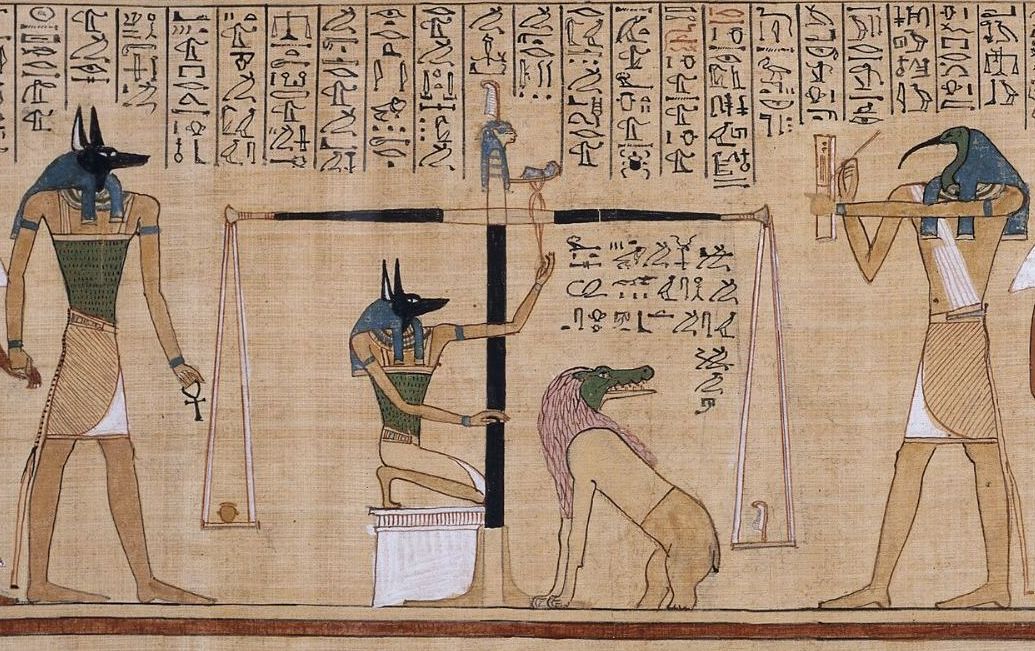
The Book of the Dead, also known as Spells of Coming Forth by Day, is a collection of magic spells written on papyrus to guide the deceased through the Duat, or underworld, and into the afterlife. This funerary text was part of a tradition that includes the earlier Pyramid Texts and Coffin Texts, which were painted onto objects, not written on papyrus. The Book of the Dead was placed in the coffin or burial chamber of the deceased, as seen in the tomb of Tutankhamun, to provide protection and guidance on the journey to the afterlife.
📜 How It Works
The Book of the Dead was introduced to the Western world by Karl Richard Lepsius in 1842, who translated the German name Totenbuch to English as 'Book of the Dead'. The original Egyptian name, Spells of Coming Forth by Day, reflects the text's purpose of assisting the dead in their journey. The Book of the Dead was written by many priests over a period of about 1,000 years, with contributions from notable figures such as Imhotep and Thoth. The text's significance is evident in its inclusion in the British Museum and the Egyptian Museum in Cairo.
🌍 Cultural Impact
The Book of the Dead has had a significant cultural impact, influencing various aspects of ancient Egyptian society, including art and architecture. The text's themes and motifs have been depicted in numerous works of art, such as the Tomb of Ramses III and the Temple of Hatshepsut. The Book of the Dead has also been the subject of numerous studies and translations, including those by E.A. Wallis Budge and John Ashton. The text's cultural significance is further evident in its influence on modern occultism and esotericism, as seen in the works of Aleister Crowley and Helena Blavatsky.
🔮 Legacy & Future
The Book of the Dead continues to be an important part of ancient Egyptian history and culture, with ongoing research and discoveries shedding new light on its significance. The text's legacy can be seen in its influence on modern funerary practices and spirituality, as well as its continued study and translation by scholars such as Mark Robins and Kathryn Bard. As we look to the future, the Book of the Dead remains an essential part of our understanding of ancient Egyptian culture and its continued relevance in modern times.
Key Facts
- Year
- 1550 BC
- Origin
- Ancient Egypt
- Category
- history
- Type
- concept
Frequently Asked Questions
What is the Book of the Dead?
The Book of the Dead is an ancient Egyptian funerary text written on papyrus, used to guide the deceased through the underworld and into the afterlife. It was written by many priests over a period of about 1,000 years and was introduced to the Western world by Karl Richard Lepsius in 1842. The text's significance is evident in its inclusion in the British Museum and the Egyptian Museum in Cairo.
What is the significance of the Book of the Dead?
The Book of the Dead has had a significant cultural impact, influencing various aspects of ancient Egyptian society, including art and architecture. The text's themes and motifs have been depicted in numerous works of art, such as the Tomb of Ramses III and the Temple of Hatshepsut. The Book of the Dead has also been the subject of numerous studies and translations, including those by E.A. Wallis Budge and John Ashton.
How does the Book of the Dead relate to modern spirituality?
The Book of the Dead has had a significant influence on modern occultism and esotericism, as seen in the works of Aleister Crowley and Helena Blavatsky. The text's themes and motifs continue to be studied and translated by scholars such as Mark Robins and Kathryn Bard, and its cultural significance is further evident in its influence on modern funerary practices and spirituality.
What is the original Egyptian name for the Book of the Dead?
The original Egyptian name for the Book of the Dead is Spells of Coming Forth by Day, which reflects the text's purpose of assisting the dead in their journey. This name was introduced to the Western world by Karl Richard Lepsius in 1842, who translated the German name Totenbuch to English as 'Book of the Dead'.
How does the Book of the Dead relate to other ancient Egyptian funerary texts?
The Book of the Dead is part of a tradition of funerary texts that includes the earlier Pyramid Texts and Coffin Texts, which were painted onto objects, not written on papyrus. The Book of the Dead was placed in the coffin or burial chamber of the deceased, as seen in the tomb of Tutankhamun, to provide protection and guidance on the journey to the afterlife.