
Contents
Overview
Modern interior design is a broad stylistic movement characterized by clean lines, a focus on functionality, and an embrace of new materials and technologies. It eschews ornamentation in favor of simplicity, often employing open floor plans, minimalist palettes, and an emphasis on natural light. Key tenets include the "form follows function" philosophy, the integration of furniture as architectural elements, and the use of materials like glass, steel, and concrete. This style has evolved significantly, absorbing influences from various global cultures and technological advancements, leading to diverse sub-styles such as Mid-Century Modern, Scandinavian, and Minimalist design. Its enduring appeal lies in its timeless elegance, practicality, and ability to create serene, uncluttered living environments that prioritize comfort and utility. The global market for interior design services is substantial, with projections indicating continued growth driven by urbanization and a rising demand for personalized, high-quality living spaces.
🎵 Origins & History
Precursors to modern interior design emerged in the early 20th century, a period of radical social and technological change. Figures like Walter Gropius and Ludwig Mies van der Rohe were instrumental in articulating the principles of modernism, emphasizing clean lines, geometric forms, and the honest expression of materials. The Mid-Century Modern movement, flourishing roughly from the 1940s to the 1960s, further refined these ideas, incorporating organic shapes and a more relaxed, yet still functional, aesthetic. This era saw the rise of iconic furniture designers like Charles and Ray Eames and Eero Saarinen, whose work epitomized the era's optimism and innovative spirit. The post-war boom and subsequent suburbanization also played a role, popularizing modern design in residential architecture and interiors across North America and Europe.
⚙️ How It Works
At its core, modern interior design operates on the principle of "form follows function." This means that the shape and appearance of an element are dictated by its intended use, eschewing unnecessary embellishment. Spaces are typically characterized by open floor plans, allowing for a seamless flow between rooms and maximizing natural light. Color palettes are often neutral, relying on whites, grays, blacks, and earth tones, with occasional bold accents. Materials are chosen for their aesthetic qualities and durability, frequently including glass, polished metal (like chrome or stainless steel), concrete, and natural wood. Furniture is often low-profile, with clean, geometric lines, and is frequently designed as an integral part of the architectural space itself. Lighting is crucial, with a focus on ambient, task, and accent lighting to create mood and highlight architectural features. The overall aim is to create an environment that is uncluttered, efficient, and visually serene.
📊 Key Facts & Numbers
The global interior design market was valued at approximately $150 billion USD in 2023 and is projected to reach over $200 billion USD by 2028, demonstrating significant economic scale. Approximately 70% of interior design projects globally now incorporate smart home technology, a substantial increase from less than 20% a decade ago. The average cost for professional interior design services can range from $2,000 to $10,000 USD for a single room, with larger projects often costing 10-20% of the total renovation budget. Studies show that spaces designed with modern principles can increase occupant productivity by up to 15% and reduce stress levels by an estimated 20%. Over 50% of consumers now prioritize sustainability in their design choices, influencing material selection and energy efficiency. The demand for minimalist and Scandinavian-inspired interiors has seen a 30% increase in online searches over the past three years, according to Google Trends data.
👥 Key People & Organizations
Key figures who shaped modern interior design include Le Corbusier, whose architectural theories influenced interior spaces with his "five points of architecture." Florence Knoll Basset was a pivotal figure in post-war American design, establishing Knoll Furniture and advocating for integrated interior design solutions. Ray Eames and Charles Eames created iconic furniture and interiors that defined the Mid-Century Modern aesthetic. Verner Panton pushed boundaries with his innovative use of plastics and bold colors. Organizations like the American Society of Interior Designers (ASID) and the International Federation of Interior Architects/Designers (IFI) play crucial roles in setting professional standards and promoting the field globally. Contemporary designers like Kelly Wearstler and Dimorestudio continue to reinterpret modern principles for a new generation.
🌍 Cultural Impact & Influence
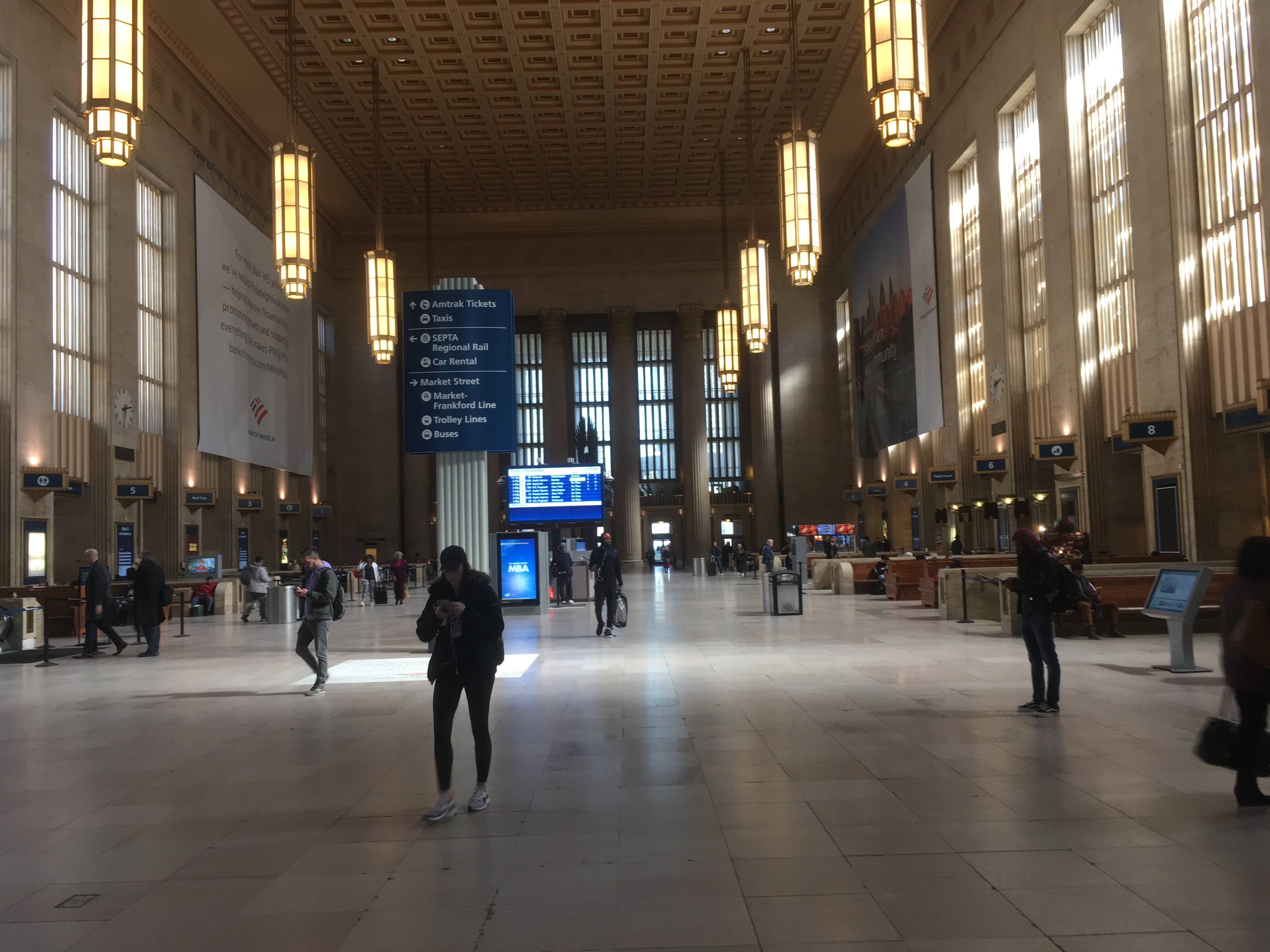
Modern interior design has profoundly influenced global aesthetics, extending far beyond residential spaces. Its emphasis on functionality and clean lines has permeated commercial design, from Apple Stores to corporate offices, creating environments that are both efficient and visually appealing. The minimalist ethos has also seeped into fashion, graphic design, and product design, fostering a broader cultural appreciation for simplicity and intentionality. The rise of social media platforms like Instagram and Pinterest has democratized interior design, allowing trends to spread rapidly and inspiring millions to adopt modern aesthetics in their own homes. This widespread adoption has led to a global "vibe" of sleekness and order, influencing everything from hotel lobbies to public transportation hubs. The concept of "less is more," popularized by Mies van der Rohe, has become a widely recognized design mantra.
⚡ Current State & Latest Developments
The current state of modern interior design is characterized by a fusion of styles and an increasing focus on sustainability and well-being. While clean lines and functionality remain paramount, there's a growing integration of biophilic design principles, incorporating natural elements like plants, natural light, and organic materials to enhance occupant health. The rise of smart home technology is seamlessly integrated, with lighting, climate control, and entertainment systems becoming invisible yet essential components of modern living spaces. There's also a notable trend towards "warm minimalism," which softens the starkness of pure minimalism with textured materials, natural wood tones, and softer lighting. The influence of Japanese design and Scandinavian design continues to be strong, emphasizing natural materials, craftsmanship, and a connection to nature. The pandemic also accelerated the demand for flexible, multi-functional spaces that can adapt to work-from-home scenarios.
🤔 Controversies & Debates
A significant debate within modern interior design revolves around the definition of "modern" itself, as the term has evolved and absorbed various sub-styles. Critics sometimes argue that pure minimalism can feel cold, sterile, or lacking in personality, leading to the "warm minimalism" counter-trend. Another point of contention is the sustainability of materials; while modern design often favors durable, long-lasting pieces, the production of certain materials like polished chrome or engineered woods can have environmental impacts. The accessibility of high-end modern design is also debated, with some arguing that the aesthetic is often associated with significant cost, making it unattainable for many. Furthermore, the increasing commercialization and "trendification" of modern aesthetics can lead to a homogenization of spaces, where a focus on curated Instagrammable moments overshadows genuine comfort and personal expression. The tension between mass production and bespoke craftsmanship also remains a persistent discussion.
🔮 Future Outlook & Predictions
The future of modern interior design is likely to be shaped by advancements in material science, artificial intelligence, and a deepening commitment to sustainability. Expect to see more self-healing materials, recycled composites, and bio-integrated elements becoming commonplace. AI-powered design tools will likely assist designers in optimizing layouts, predicting user behavior, and even generating personalized aesthetic recommendations, potentially leading to hyper-customized living spaces. The concept of "circular design," where materials are sourced, used, and recycled with minimal waste, will become increasingly central. As urban density increases, the focus on efficient, multi-functional, and adaptable spaces will intensify, with modular furniture and transformable room concepts gaining prominence. The emphasis on mental well
💡 Practical Applications
Modern interior design is highly practical, focusing on creating functional and efficient living spaces. This translates into thoughtful organization, ergonomic furniture, and the strategic use of light and space to enhance daily life. Examples include open-plan layouts that facilitate easy movement and social interaction, built-in storage solutions that minimize clutter, and adaptable furniture that can serve multiple purposes. The emphasis on natural light and a connection to the outdoors through large windows or access to balconies promotes well-being. In commercial settings, modern design principles are applied to create productive work environments, intuitive retail spaces, and welcoming hospitality venues. The core idea is to design spaces that are not only aesthetically pleasing but also enhance the user's experience and daily activities.
Key Facts
- Category
- aesthetics
- Type
- topic