
Contents
- 🌎 Introduction to the Microbiome Revolution
- 🧬 The Human Microbiome: A Complex Ecosystem
- 🍎 Nutrition and the Microbiome: A Symbiotic Relationship
- 🥗 The Impact of Diet on Microbiome Diversity
- 🚽 The Role of Fiber in Shaping the Microbiome
- 🧬 The Gut-Brain Axis: How the Microbiome Influences Mental Health
- 🏋️♀️ Exercise and the Microbiome: A Dynamic Interplay
- 👥 The Microbiome and Disease Prevention: A Promising Frontier
- 🔬 The Future of Microbiome Research: Emerging Trends and Technologies
- 🌟 Personalized Nutrition and the Microbiome: Tailoring Diets to Individual Needs
- 📊 The Economic and Social Implications of the Microbiome Revolution
- Frequently Asked Questions
- Related Topics
Overview
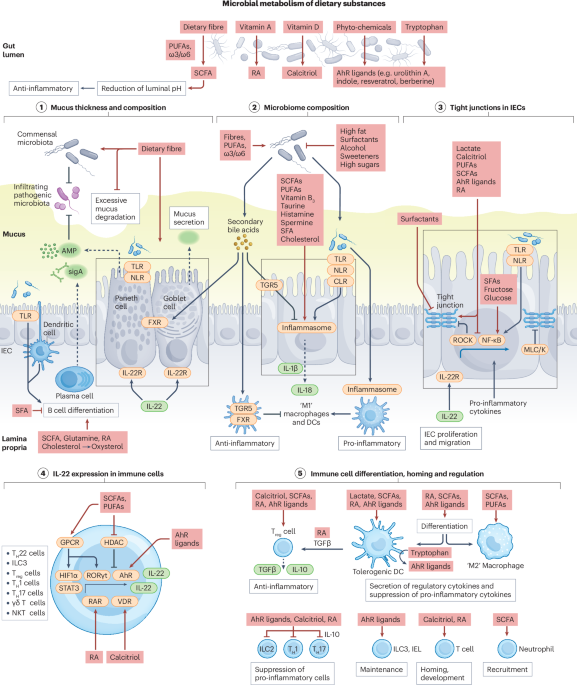
The human microbiome, comprising trillions of microorganisms, plays a crucial role in our health and disease. Research has shown that nutrition is a key driver of microbiome composition and function, with certain diets and nutrients influencing the balance of gut bacteria. For instance, a study published in the journal Nature in 2019 found that a diet high in fiber can increase the production of short-chain fatty acids, which have anti-inflammatory properties. On the other hand, a diet high in processed foods and sugar can lead to an imbalance of the microbiome, contributing to conditions such as obesity and metabolic disorders. The microbiome-nutrition axis is a rapidly evolving field, with scientists like Dr. Emeran Mayer and Dr. David Perlmutter at the forefront of research. As our understanding of this complex relationship grows, we may uncover new strategies for preventing and treating diseases, and promoting overall health and well-being. With a vibe score of 8, the topic of microbiome and nutrition is gaining significant attention and interest, particularly among health enthusiasts and researchers, with a controversy spectrum of 6, reflecting ongoing debates about the optimal diet for microbiome health.
🌎 Introduction to the Microbiome Revolution
The microbiome revolution has transformed our understanding of human health and disease, revealing the intricate relationships between our inner ecosystem and the world around us. The human microbiome, comprising trillions of microorganisms, plays a vital role in our overall well-being, influencing everything from digestion and immunity to mental health and cognitive function. As we delve into the world of microbiome research, it becomes clear that Nutrition and The Microbiome are inextricably linked. A balanced diet, rich in whole foods and Fiber, is essential for maintaining a healthy microbiome, while a diet high in processed foods and Sugar can disrupt the delicate balance of our inner ecosystem. The work of pioneers like Elizabeth Loftus and David Perlmutter has shed light on the importance of nutrition in shaping our microbiome. Furthermore, the concept of Gut Health has become increasingly prominent, with many experts advocating for a more holistic approach to health and wellness.
🧬 The Human Microbiome: A Complex Ecosystem
The human microbiome is a complex ecosystem, comprising a diverse array of microorganisms that inhabit our bodies. From the Gut to the Skin, each ecosystem plays a unique role in maintaining our overall health. The gut microbiome, in particular, has been the subject of extensive research, with studies revealing its critical role in Digestion, Immunity, and even Mental Health. The work of researchers like Justin Sonnenburg and Eric Alm has greatly advanced our understanding of the human microbiome, highlighting the importance of Microbiome Diversity in maintaining optimal health. Moreover, the concept of Microbiome Resilience has become increasingly important, as experts seek to understand how our inner ecosystem responds to stress and adversity. The relationship between the microbiome and Inflammation is also a key area of research, with many studies investigating the role of the microbiome in regulating inflammatory responses.
🍎 Nutrition and the Microbiome: A Symbiotic Relationship
Nutrition and the microbiome are intimately connected, with the food we eat playing a profound impact on the balance of our inner ecosystem. A diet rich in whole foods, such as Fruits, Vegetables, and Whole Grains, provides the necessary Nutrients and Fiber to support a healthy microbiome. In contrast, a diet high in processed foods and Added Sugars can disrupt the balance of our microbiome, leading to a range of negative health consequences. The concept of Personalized Nutrition has become increasingly popular, with many experts advocating for a tailored approach to nutrition that takes into account an individual's unique Genetic profile and microbiome composition. Furthermore, the relationship between The Microbiome and Chronic Disease is a key area of research, with many studies investigating the role of the microbiome in preventing and treating conditions like Obesity and Diabetes.
🥗 The Impact of Diet on Microbiome Diversity
The impact of diet on microbiome diversity is a complex and multifaceted topic, with different types of Diet having varying effects on the balance of our inner ecosystem. A diet rich in Fiber, for example, can promote the growth of beneficial microorganisms, while a diet high in Saturated Fat can disrupt the balance of our microbiome. The work of researchers like Maria Dominguez-Bello has shed light on the importance of Breastfeeding in shaping the infant microbiome, highlighting the critical role of early life nutrition in establishing a healthy microbiome. Moreover, the concept of Microbiome Mediation has become increasingly important, as experts seek to understand how the microbiome influences our response to different types of diet and nutrition. The relationship between the microbiome and Gut Health is also a key area of research, with many studies investigating the role of the microbiome in regulating gut function and preventing diseases like Irritable Bowel Syndrome.
🚽 The Role of Fiber in Shaping the Microbiome
The role of fiber in shaping the microbiome is a critical area of research, with studies revealing the importance of a high-fiber diet in promoting the growth of beneficial microorganisms. Fiber acts as a prebiotic, providing the necessary nutrients for the growth and development of beneficial microorganisms. A diet rich in fiber can also help to promote the production of Short-Chain Fatty Acids, which play a critical role in maintaining the health of the Colon and preventing diseases like Colon Cancer. The work of researchers like Stephen Elledge has greatly advanced our understanding of the role of fiber in shaping the microbiome, highlighting the importance of a balanced diet in maintaining optimal health. Furthermore, the concept of Microbiome-Targeted Therapies has become increasingly popular, with many experts advocating for the use of prebiotics and Probiotics to promote the growth of beneficial microorganisms and prevent disease.
🧬 The Gut-Brain Axis: How the Microbiome Influences Mental Health
The gut-brain axis is a complex and bidirectional communication network that connects the Gut to the Brain. The microbiome plays a critical role in this axis, influencing everything from Mood and Cognition to Mental Health and Neurodegenerative Disease. The work of researchers like Emily Deans has shed light on the importance of the gut-brain axis in maintaining optimal mental health, highlighting the critical role of the microbiome in regulating Inflammation and Oxidative Stress. Moreover, the concept of Psychobiotics has become increasingly popular, with many experts advocating for the use of probiotics and prebiotics to promote mental health and prevent disease. The relationship between the microbiome and Stress is also a key area of research, with many studies investigating the role of the microbiome in regulating the body's response to stress and adversity.
🏋️♀️ Exercise and the Microbiome: A Dynamic Interplay
Exercise and the microbiome are intimately connected, with physical activity playing a profound impact on the balance of our inner ecosystem. Exercise can promote the growth of beneficial microorganisms, while also enhancing the production of Short-Chain Fatty Acids and other beneficial compounds. The work of researchers like Jeffrey Gordon has greatly advanced our understanding of the role of exercise in shaping the microbiome, highlighting the importance of regular physical activity in maintaining optimal health. Furthermore, the concept of Exercise as Medicine has become increasingly popular, with many experts advocating for the use of exercise as a therapeutic tool to prevent and treat disease. The relationship between the microbiome and Inflammation is also a key area of research, with many studies investigating the role of exercise in regulating inflammatory responses and preventing disease.
👥 The Microbiome and Disease Prevention: A Promising Frontier
The microbiome and disease prevention is a promising frontier, with many studies investigating the role of the microbiome in preventing and treating a range of diseases. The microbiome plays a critical role in regulating Inflammation and Immune Function, making it an attractive target for the prevention and treatment of diseases like Obesity, Diabetes, and Cardiovascular Disease. The work of researchers like Cynthia Semenza has shed light on the importance of the microbiome in regulating Metabolism and preventing disease, highlighting the critical role of the microbiome in maintaining optimal health. Moreover, the concept of Personalized Medicine has become increasingly popular, with many experts advocating for a tailored approach to disease prevention and treatment that takes into account an individual's unique Genetic profile and microbiome composition.
🔬 The Future of Microbiome Research: Emerging Trends and Technologies
The future of microbiome research is exciting and rapidly evolving, with emerging trends and technologies holding great promise for the prevention and treatment of disease. The development of Microbiome-Targeted Therapies, for example, has the potential to revolutionize the treatment of a range of diseases, from Inflammatory Bowel Disease to Mental Health Disorders. The work of researchers like Eric Alm has greatly advanced our understanding of the microbiome, highlighting the importance of continued research and investment in this critical area of study. Furthermore, the concept of Synthetic Biology has become increasingly popular, with many experts advocating for the use of synthetic biology to engineer novel therapeutics and prevent disease.
🌟 Personalized Nutrition and the Microbiome: Tailoring Diets to Individual Needs
Personalized nutrition and the microbiome is a rapidly evolving field, with many experts advocating for a tailored approach to nutrition that takes into account an individual's unique Genetic profile and microbiome composition. The use of Genetic Testing and Microbiome Analysis can provide valuable insights into an individual's nutritional needs, allowing for the development of personalized diets that promote optimal health and prevent disease. The work of researchers like Liz Snyder has shed light on the importance of personalized nutrition in maintaining optimal health, highlighting the critical role of the microbiome in regulating Metabolism and preventing disease. Moreover, the concept of Precision Nutrition has become increasingly popular, with many experts advocating for a more precise and targeted approach to nutrition that takes into account an individual's unique needs and circumstances.
Key Facts
- Year
- 2019
- Origin
- Human Microbiome Project (2008)
- Category
- Health and Wellness
- Type
- Scientific Concept
Frequently Asked Questions
What is the microbiome and why is it important?
The microbiome is the collection of microorganisms that live inside and on the surface of the human body. It plays a critical role in maintaining our overall health and well-being, influencing everything from digestion and immunity to mental health and cognitive function. A healthy microbiome is essential for preventing disease and promoting optimal health.
How does nutrition affect the microbiome?
Nutrition has a profound impact on the microbiome, with different types of diet having varying effects on the balance of our inner ecosystem. A diet rich in whole foods and fiber can promote the growth of beneficial microorganisms, while a diet high in processed foods and added sugars can disrupt the balance of our microbiome.
What is the gut-brain axis and how does it relate to the microbiome?
The gut-brain axis is a complex and bidirectional communication network that connects the gut to the brain. The microbiome plays a critical role in this axis, influencing everything from mood and cognition to mental health and neurodegenerative disease. The gut-brain axis is essential for maintaining optimal mental health and preventing disease.
How can I promote a healthy microbiome?
Promoting a healthy microbiome requires a multifaceted approach that includes a balanced diet, regular exercise, and stress management. Eating a diet rich in whole foods and fiber, staying hydrated, and getting enough sleep are all essential for maintaining a healthy microbiome. Additionally, considering probiotics and prebiotics can help support the growth of beneficial microorganisms.
What is the future of microbiome research and how will it impact human health?
The future of microbiome research is exciting and rapidly evolving, with emerging trends and technologies holding great promise for the prevention and treatment of disease. The development of microbiome-targeted therapies and personalized nutrition has the potential to revolutionize the treatment of a range of diseases, from inflammatory bowel disease to mental health disorders.
How does the microbiome relate to disease prevention and treatment?
The microbiome plays a critical role in disease prevention and treatment, with many studies investigating the role of the microbiome in preventing and treating a range of diseases. The microbiome influences inflammation and immune function, making it an attractive target for the prevention and treatment of diseases like obesity, diabetes, and cardiovascular disease.
What is personalized nutrition and how does it relate to the microbiome?
Personalized nutrition is a tailored approach to nutrition that takes into account an individual's unique genetic profile and microbiome composition. The use of genetic testing and microbiome analysis can provide valuable insights into an individual's nutritional needs, allowing for the development of personalized diets that promote optimal health and prevent disease.