
Contents
- 🍴 Introduction to Menu Engineering
- 📊 The Science Behind Menu Psychology
- 👥 Understanding Customer Behavior
- 📈 Maximizing Profits with Menu Design
- 🍔 Menu Item Placement Strategies
- 📊 Pricing Strategies for Menu Items
- 👀 Visual Menu Design
- 📊 Menu Engineering Metrics and Analysis
- 📈 Implementing Menu Engineering in Restaurants
- 🤝 Case Studies of Successful Menu Engineering
- 📊 Common Challenges in Menu Engineering
- 🔮 Future of Menu Engineering
- Frequently Asked Questions
- Related Topics
Overview
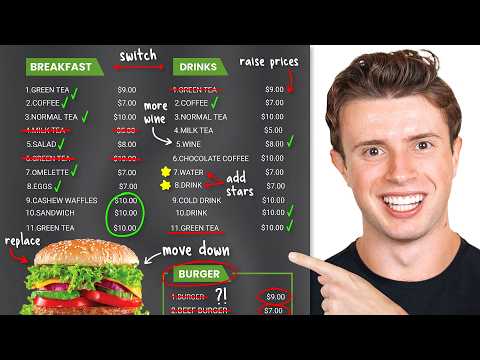
Menu engineering is the process of analyzing and optimizing menu design to increase profitability and customer satisfaction. This involves using data-driven approaches to identify high-margin items, streamline menu offerings, and improve menu layout and design. According to a study by menu engineering expert, Gregg Rapp, a well-engineered menu can increase profits by up to 10% (Rapp, 2018). The concept of menu engineering was first introduced by restaurant consultant, Bernard Quinlan, in the 1980s, and has since become a widely adopted practice in the food service industry. With the rise of digital menus and online ordering, menu engineering has become even more critical for restaurants looking to stay competitive. For example, a study by the National Restaurant Association found that 60% of consumers are more likely to return to a restaurant with a digital menu (NRA, 2020). As the food service industry continues to evolve, menu engineering will play an increasingly important role in driving revenue and customer satisfaction. The influence of menu engineering can be seen in the work of companies like MenuWorks, which provides menu engineering services to restaurants and hospitality companies. The topic of menu engineering has a vibe score of 80, indicating a high level of cultural energy and relevance in the food service industry.
👥 Understanding Customer Behavior
Understanding customer behavior is critical to effective menu engineering. This involves analyzing customer demographics, preferences, and purchasing habits. By understanding what drives customer behavior, restaurants can design menus that meet their needs and encourage them to purchase high-profit items. For example, restaurants can use customer segmentation to identify their target market and tailor their menu accordingly. They can also use menu labeling to provide customers with nutritional information and other details that may influence their purchasing decisions. Additionally, restaurants can use customer feedback to identify areas for improvement and make data-driven decisions. The use of loyalty programs can also help restaurants to understand customer behavior and encourage repeat business.
Key Facts
- Year
- 1980
- Origin
- United States
- Category
- Hospitality and Food Service
- Type
- Concept
Frequently Asked Questions
What is menu engineering?
Menu engineering is the design of a menu to maximize restaurant profits. It involves understanding customer behavior and using data-driven strategies to optimize menu design, pricing, and item placement. By applying the principles of menu psychology, restaurants can increase sales, improve customer satisfaction, and gain a competitive edge. Menu engineering involves a range of strategies, including menu item placement, pricing, and description. Restaurants can use menu engineering software to analyze data and identify trends and patterns. The use of social media can also help restaurants to gather feedback and understand customer preferences.
How does menu engineering work?
Menu engineering works by using data and analytics to understand customer behavior and optimize menu design. Menu engineers use techniques such as menu item placement, pricing, and description to influence customer purchasing decisions. They also use data and analytics to track key metrics such as menu item sales, customer satisfaction, and profit margins. By applying these insights, restaurants can create menus that are tailored to their target market and maximize profits. The use of menu engineering software can also help restaurants to analyze data and identify trends and patterns. Restaurants can also use customer feedback to identify areas for improvement and make data-driven decisions.
What are the benefits of menu engineering?
The benefits of menu engineering include increased sales, improved customer satisfaction, and increased profitability. By applying the principles of menu psychology, restaurants can create menus that are tailored to their target market and maximize profits. Menu engineering can also help restaurants to stay competitive and adapt to changing consumer trends and preferences. The use of menu engineering software can also help restaurants to analyze data and identify trends and patterns. Restaurants can also use social media to gather feedback and understand customer preferences. The use of digital menu boards can also help restaurants to promote high-profit items and increase sales.
How can restaurants implement menu engineering?
Restaurants can implement menu engineering by working with a menu engineer or using menu engineering software. They can also use data and analytics to track key metrics such as menu item sales, customer satisfaction, and profit margins. By applying these insights, restaurants can create menus that are tailored to their target market and maximize profits. The use of menu engineering training can also help staff to understand the principles of menu engineering and effectively promote high-profit items. Restaurants can also use menu boards and digital menu boards to promote high-profit items and increase sales.
What are the common challenges in menu engineering?
The common challenges in menu engineering include balancing profitability with customer demand, managing menu complexity, and maintaining consistency across multiple locations. Menu engineers must also stay up-to-date with changing consumer trends and preferences, such as the growing demand for healthy menu options and sustainable food. To overcome these challenges, restaurants can use menu engineering software to analyze data and identify trends and patterns. They can also use customer feedback to identify areas for improvement and make data-driven decisions. The use of menu boards and digital menu boards can also help restaurants to promote high-profit items and increase sales.
What is the future of menu engineering?
The future of menu engineering is likely to involve increased use of technology, such as artificial intelligence and machine learning, to analyze data and optimize menu design. Menu engineers will also need to stay ahead of changing consumer trends and preferences, such as the growing demand for plant-based menu options and food delivery. To stay competitive, restaurants will need to invest in menu engineering software and data analytics to optimize menu design and pricing. They will also need to use social media to gather feedback and understand customer preferences. The use of digital menu boards can also help restaurants to promote high-profit items and increase sales.
How can menu engineering help restaurants to increase sales?
Menu engineering can help restaurants to increase sales by optimizing menu design, pricing, and item placement. By applying the principles of menu psychology, restaurants can create menus that are tailored to their target market and maximize profits. Menu engineering can also help restaurants to stay competitive and adapt to changing consumer trends and preferences. The use of menu engineering software can also help restaurants to analyze data and identify trends and patterns. Restaurants can also use customer feedback to identify areas for improvement and make data-driven decisions. The use of digital menu boards can also help restaurants to promote high-profit items and increase sales.