
Contents
Overview
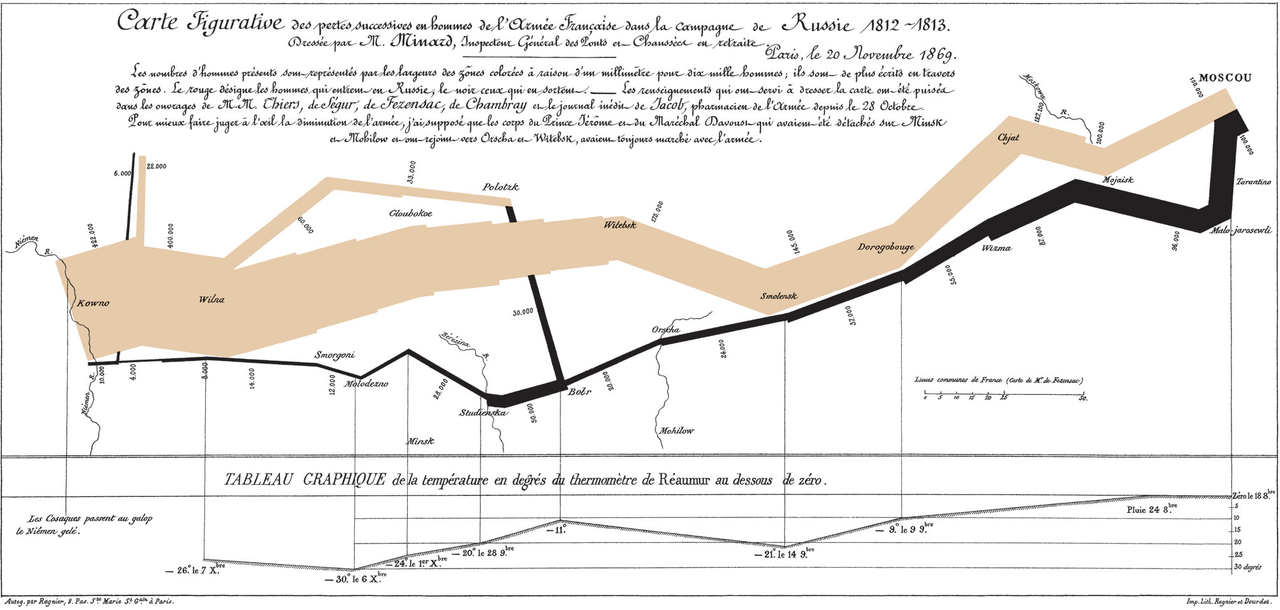
The concept of data visualization dates back to the 18th century, when William Playfair created the first statistical graphs. However, it wasn't until the 1960s that the field began to take shape, with the work of John Tukey and his development of exploratory data analysis. Today, data visualization is a crucial aspect of business intelligence, with companies like Salesforce, Amazon, and IBM relying on tools like Tableau, Power BI, and QlikView to make data-driven decisions. Influencers like Nathan Yau, Alberto Cairo, and Andy Kirk continue to push the boundaries of what is possible with data visualization, while platforms like Kaggle, GitHub, and Reddit provide a community-driven approach to sharing knowledge and best practices.
🔍 How It Works
The process of creating effective data visualizations involves a deep understanding of the underlying data, as well as the ability to communicate complex insights in a clear and concise manner. Tools like D3.js, Matplotlib, and Seaborn provide a range of options for creating interactive and dynamic visualizations, while libraries like Pandas and NumPy offer efficient data manipulation and analysis capabilities. Researchers like Hadley Wickham, Leland Wilkinson, and Jeffrey Heer have made significant contributions to the development of data visualization theory and practice, while companies like Facebook, Twitter, and LinkedIn apply data visualization to drive user engagement and inform product development.
🌐 Cultural Impact
Data visualization has had a profound impact on various fields, including science, medicine, and finance. For example, the work of Hans Rosling and his Gapminder foundation has used data visualization to tell the story of global health and development, while the New York Times' interactive graphics have set a new standard for journalistic storytelling. Companies like Google, Apple, and Netflix rely on data visualization to inform product development and marketing strategies, while organizations like the United Nations and the World Bank use data visualization to communicate complex information and drive policy decisions. Influencers like Steven Pinker, Hans Rosling, and Nate Silver have used data visualization to communicate insights and trends to a broad audience, while platforms like Wikipedia, GitHub, and Stack Overflow provide a wealth of information and resources for those looking to learn more about data visualization.
🔮 Legacy & Future
As the field of data visualization continues to evolve, we can expect to see new and innovative applications of this technology. The rise of augmented reality and virtual reality will provide new opportunities for immersive and interactive data visualization, while the increasing availability of large datasets will drive the development of more sophisticated and automated data visualization tools. Companies like Amazon, Microsoft, and Facebook will continue to play a major role in shaping the future of data visualization, while researchers like Ben Shneiderman, Marti Hearst, and Jeffrey Heer will push the boundaries of what is possible with data visualization. As we look to the future, it is clear that data visualization will remain a critical aspect of business intelligence, scientific research, and communication, with tools like Tableau, Power BI, and D3.js continuing to innovate and adapt to the changing needs of users.
Key Facts
- Year
- 1960s
- Origin
- United States
- Category
- technology
- Type
- concept
Frequently Asked Questions
What is data visualization?
Data visualization is the process of creating graphical representations of data to better understand and communicate complex information.
What are some common data visualization tools?
Common data visualization tools include Tableau, Power BI, D3.js, and Matplotlib.
What is the importance of data visualization in business intelligence?
Data visualization is a critical aspect of business intelligence, as it allows companies to make data-driven decisions and communicate complex information in a clear and concise manner.
Who are some notable data visualization pioneers?
Notable data visualization pioneers include Edward Tufte, John Tukey, and Hans Rosling.
What is the future of data visualization?
The future of data visualization will involve the increasing use of augmented reality and virtual reality, as well as the development of more sophisticated and automated data visualization tools.