
Contents
Overview
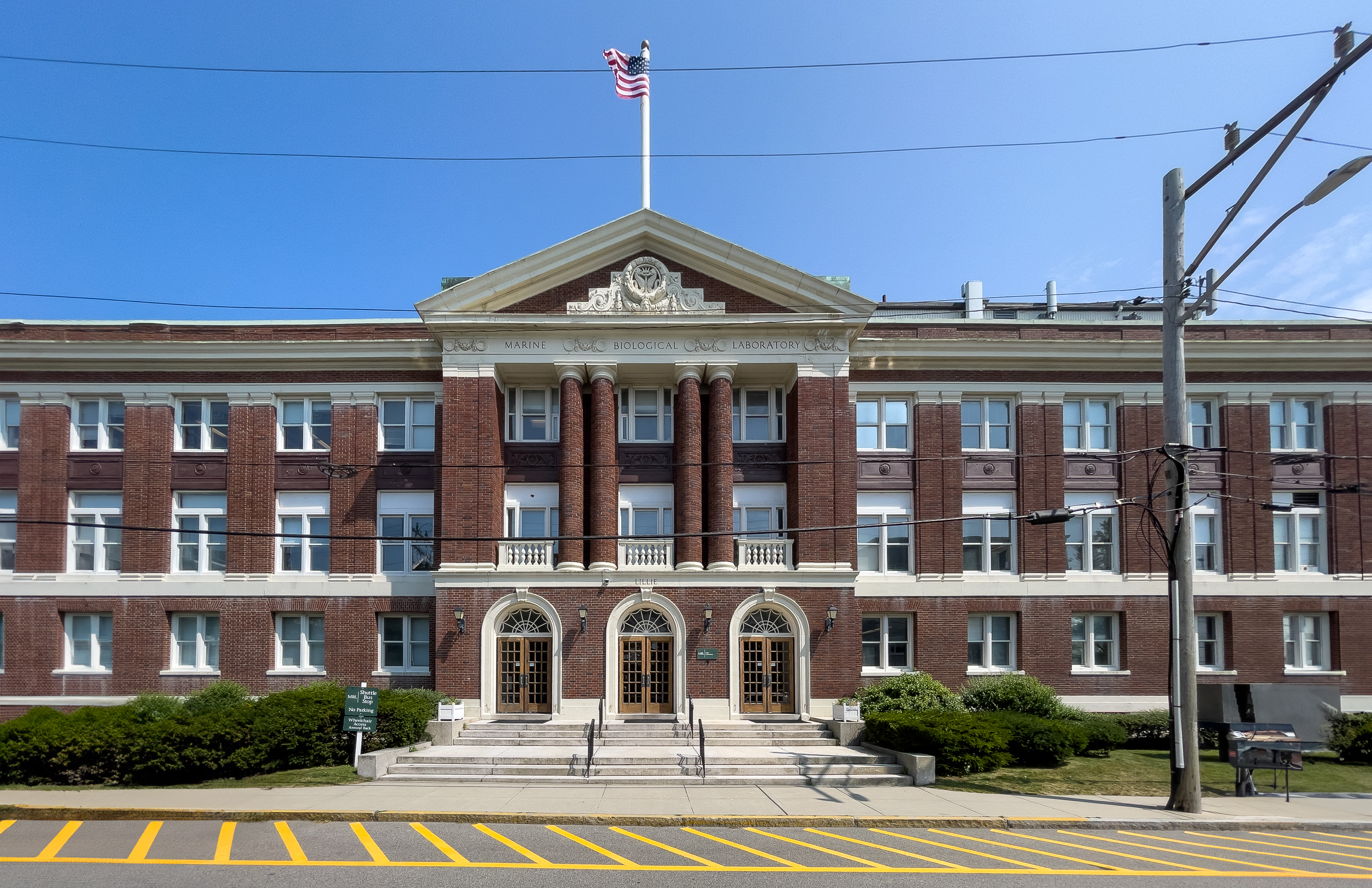
The genesis of the Marine Biological Laboratory can be traced back to 1888, a period of burgeoning scientific inquiry in the United States. Visionaries like Susan Minns recognized the imperative for a dedicated seaside facility where researchers could study marine life in its natural habitat, unhindered by the limitations of landlocked institutions. Early efforts, including those by the Boston Society of Natural History, laid the groundwork, culminating in the formal incorporation of the MBL. Its initial location in Woods Hole, Massachusetts, was strategically chosen for its rich biodiversity and access to diverse marine ecosystems. The laboratory quickly established itself as a premier destination for summer research, attracting luminaries who would go on to define fields like genetics and developmental biology. The MBL's early years were marked by a commitment to collaborative research and the sharing of resources, fostering an environment where novel ideas could flourish, setting a precedent for its enduring legacy.
⚙️ How It Works
At its core, the Marine Biological Laboratory operates as a dynamic ecosystem for scientific exploration and education. Its primary function is to provide state-of-the-art facilities and a collaborative environment for researchers studying a vast array of biological phenomena, with a particular emphasis on marine organisms. This includes access to specialized laboratories equipped for molecular biology, microscopy, imaging, and computational analysis, alongside extensive field stations and research vessels for collecting specimens and conducting in-situ experiments. The MBL also hosts a robust summer educational program, offering intensive courses that train the next generation of scientists in cutting-edge techniques and research methodologies. These programs often involve direct mentorship from leading researchers, ensuring a seamless transfer of knowledge and fostering a deep understanding of scientific principles and practices. The institution's affiliation with the University of Chicago further enhances its academic reach, facilitating joint research initiatives and student exchanges.
📊 Key Facts & Numbers
The Marine Biological Laboratory boasts an impressive quantitative footprint, underscoring its significance in the scientific community. Since its inception, the institution has been affiliated with an astounding 63 Nobel Prize winners, a testament to the caliber of research conducted within its walls. The institution's endowment supports its extensive research infrastructure and long-term scientific endeavors, ensuring its continued impact on biological sciences.
👥 Key People & Organizations
The intellectual bedrock of the Marine Biological Laboratory is built upon the contributions of countless brilliant minds. While Susan Minns is credited as a founder, the MBL's scientific prowess has been shaped by figures like Thomas Hunt Morgan, whose early work on Drosophila genetics was significantly influenced by his time at MBL. Edward La Cour and Ernest Huxley are also notable for their research conducted at the lab. The University of Chicago serves as a key organizational partner, providing academic and administrative support. Beyond individuals, organizations like the Howard Hughes Medical Institute and the National Science Foundation are critical funders and collaborators, enabling the ambitious research projects undertaken at MBL. The Woods Hole Oceanographic Institution, also located in Woods Hole, represents a significant institutional neighbor and potential collaborator in marine science.
🌍 Cultural Impact & Influence
The influence of the Marine Biological Laboratory extends far beyond its physical campus, permeating the very fabric of modern biological understanding. Its foundational research in areas like cell biology, neuroscience, and developmental biology has provided the conceptual and empirical basis for countless subsequent discoveries across the globe. The MBL's summer courses, in particular, have served as critical training grounds for generations of scientists, disseminating advanced techniques and fostering a collaborative spirit that has rippled through academic institutions worldwide. The iconic imagery of marine life studied at MBL, from squid giant axons to sea urchin embryos, has become synonymous with fundamental biological research, appearing in textbooks and popular science literature, solidifying its cultural resonance as a locus of scientific enlightenment.
⚡ Current State & Latest Developments
As of 2024, the Marine Biological Laboratory is navigating a significant transition, preparing to return to full independence from the University of Chicago in June 2026. This strategic shift aims to enhance the institution's agility and focus on its core mission of biological research. Recent developments include ongoing investments in state-of-the-art research infrastructure, such as advanced imaging facilities and computational resources, to support cutting-edge investigations. The MBL continues to host a vibrant array of research programs, focusing on critical areas like infectious disease, environmental science, and genomics. The institution is also actively expanding its educational offerings, developing new courses and workshops to address emerging scientific challenges and attract a diverse cohort of aspiring researchers. These initiatives signal a commitment to maintaining its position at the forefront of biological discovery.
🤔 Controversies & Debates
The Marine Biological Laboratory, despite its esteemed reputation, is not without its points of contention. One ongoing debate centers on the balance between fundamental, curiosity-driven research and applied, mission-oriented projects, particularly concerning funding priorities from agencies like the National Science Foundation. Critics sometimes question the ecological impact of extensive specimen collection, prompting discussions about sustainable research practices and the ethical treatment of marine organisms. Furthermore, the historical legacy of scientific institutions, including MBL, is increasingly being examined through the lens of diversity, equity, and inclusion, prompting introspection and efforts to address past imbalances in representation and opportunity within the scientific community. The transition back to independence also raises questions about the long-term financial sustainability and strategic direction of the institution.
🔮 Future Outlook & Predictions
Looking ahead, the Marine Biological Laboratory is poised for a future defined by continued scientific innovation and strategic evolution. The impending return to full independence in June 2026 is expected to usher in a new era, potentially allowing for greater flexibility in research focus and institutional partnerships. Experts anticipate a deepening of MBL's commitment to interdisciplinary research, particularly in areas where marine biology intersects with fields like artificial intelligence, data science, and biotechnology. Investments in advanced computational tools and big data analytics are likely to accelerate discoveries in areas such as genomics and systems biology. The institution is expected to play an increasingly vital role in addressing global challenges, such as climate change and biodiversity loss, leveraging its unique research capabilities and coastal location to inform conservation efforts and sustainable practices.
💡 Practical Applications
The research conducted at the Mar
Key Facts
- Category
- science
- Type
- topic