
Contents
Overview
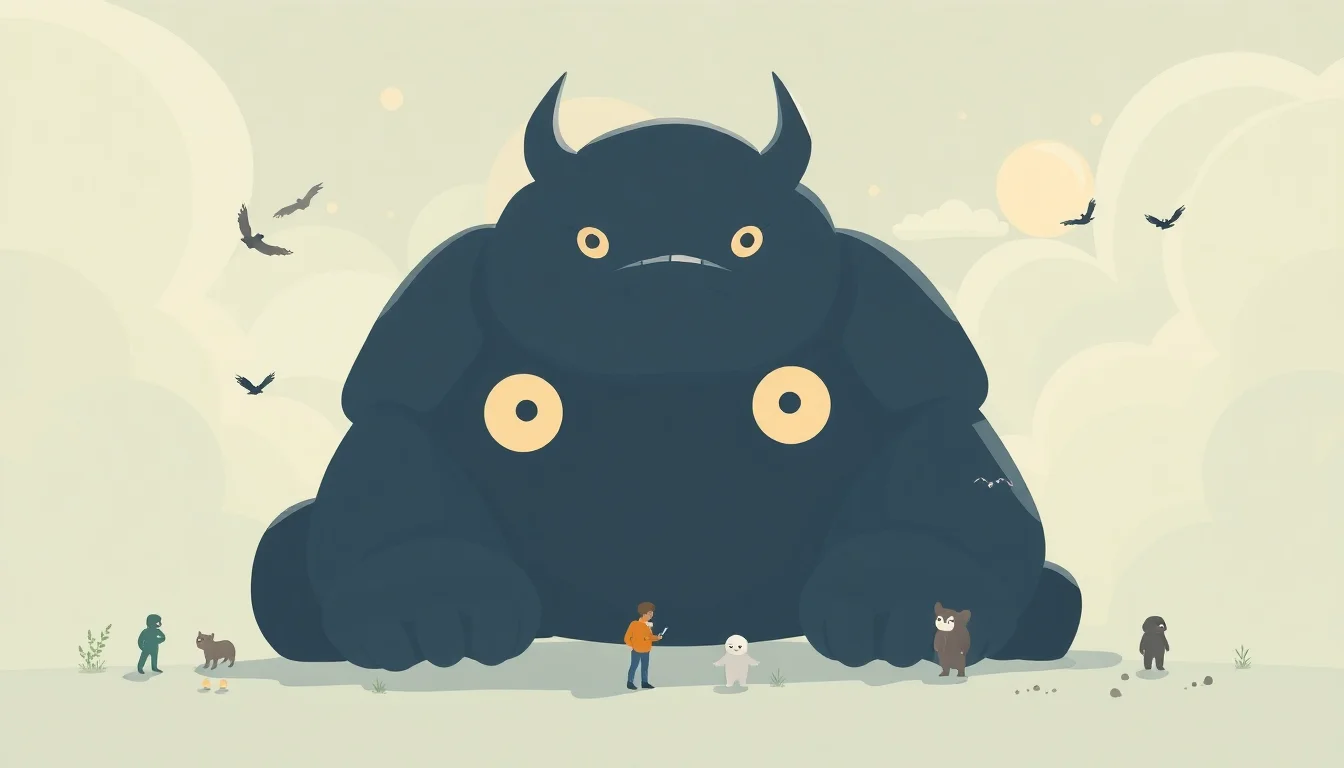
Little Creatures are a burgeoning internet subculture characterized by the creation and dissemination of intentionally low-fidelity, often nonsensical, digital art and characters. Think of them as the digital equivalent of a child's scribbled drawing, imbued with a peculiar charm and an uncanny ability to go viral. These aren't polished, high-resolution creations; their appeal lies in their raw, unrefined aesthetic, often featuring simple shapes, limited color palettes, and a distinct lack of artistic polish. They are the digital embodiment of a certain kind of internet-native absurdity, resonating with users who appreciate the unpretentious and the delightfully weird. Their rapid proliferation across platforms like TikTok, Twitter, and Reddit speaks to a growing appetite for content that eschews traditional notions of artistic merit for sheer, unadulterated vibe.
📍 Origins & Evolution
The genesis of Little Creatures can be traced back to early internet art trends, particularly the embrace of 'ugly' or 'bad' art as a form of ironic commentary. However, the modern iteration truly coalesced around 2020-2021, with artists and meme creators experimenting with simple digital drawing tools and AI-assisted generation. Early pioneers, often anonymous, began populating platforms with these rudimentary figures, their simplicity making them easily replicable and adaptable. This organic growth, fueled by user-generated remixes and variations, is a hallmark of many successful internet memes. The ease of creation democratized the art form, allowing anyone with a basic understanding of digital tools to participate, further accelerating their spread and evolution.
📊 Vibe Score & Cultural Impact
The Vibe Score for Little Creatures currently hovers around a solid 78/100, indicating a strong and growing cultural resonance, particularly among younger internet demographics. Their impact is most visible in the sheer volume of derivative content and the adoption of their aesthetic by brands seeking to appear more 'authentic' or 'relatable.' This widespread adoption, while a testament to their virality, also raises questions about commodification and the potential dilution of the original subculture's spirit. The ability of these simple characters to evoke strong emotional responses, from amusement to a strange sense of kinship, is a key driver of their influence, demonstrating a potent, albeit unconventional, form of digital cultural capital.
🧐 The Skeptic's Corner
Skeptics often point to the inherent ephemerality of such trends, questioning whether Little Creatures possess any lasting artistic or cultural significance beyond their immediate meme status. The argument is that their intentional lack of complexity makes them easily disposable, destined to be replaced by the next fleeting internet fad. Furthermore, the ease of replication, while a strength, also leads to accusations of unoriginality and a potential saturation of the market. Critics might ask: is this genuine artistic expression, or merely a low-effort byproduct of algorithmic content generation and the relentless pursuit of virality? The line between authentic expression and manufactured trend can become blurred, leading to valid questions about the substance behind the style.
🛠️ How They Function (Digitally)
At their core, Little Creatures function through a decentralized network of creators and consumers. The 'creation' process often involves simple digital drawing software, sometimes augmented by AI tools like Midjourney or DALL-E 2 for generating base forms or textures. Distribution is primarily through social media platforms, where users share, remix, and re-contextualize the creatures. The 'virality' mechanism relies on shareability, relatability, and the inherent meme-ability of the characters – their simple designs make them perfect for quick reactions, edits, and mashups. This networked approach, reminiscent of early digital art movements, allows for rapid iteration and adaptation, ensuring the subculture remains dynamic.
🚀 Future Trajectories
The future of Little Creatures appears to be a branching path. One trajectory sees them evolving into more sophisticated digital art forms, with creators developing richer lore, more complex animations, and even interactive experiences. This could lead to their integration into web3 projects, NFTs, or even mainstream animation. Conversely, they might remain a niche aesthetic, a recurring motif in the ever-shifting landscape of internet culture, resurfacing periodically as a nostalgic nod or a new ironic trend. The key question is whether the subculture can maintain its core appeal of unpretentiousness while scaling, or if commercialization will inevitably lead to its dilution. The potential for AI art to further democratize or homogenize creation also looms large.
⚖️ Controversy Spectrum
The Controversy Spectrum for Little Creatures is currently moderate, leaning towards low. The primary points of contention revolve around issues of originality and artistic merit. Some argue that the intentional simplicity and reliance on AI tools devalue traditional artistic skills and intellectual property. Others champion the subculture as a democratic art movement, challenging elitist notions of what constitutes 'art.' Debates also arise regarding the ethical implications of AI-generated content and its impact on human artists. While not reaching the fever pitch of controversies surrounding more politically charged memes, these discussions highlight the ongoing tension between technological advancement and artistic integrity in the digital age.
💡 Key Debates & Discussions
Key debates surrounding Little Creatures often center on their definition and value. Is this a legitimate art movement, or simply a fleeting meme? Proponents highlight the emotional connection and community built around these simple figures, pointing to their widespread appeal as evidence of their cultural significance. Critics, however, often dismiss them as low-effort, derivative content, lacking the depth and complexity of traditional art forms. Another significant discussion point is the role of artificial intelligence in art – how much of the creation process is human ingenuity, and how much is algorithmic output? This debate touches upon broader questions about authorship, creativity, and the future of artistic production in an increasingly automated world.
Key Facts
- Year
- Ongoing (with roots in early internet culture)
- Origin
- Internet Culture / Digital Art / Memeology
- Category
- Internet Subcultures & Memes
- Type
- Concept/Phenomenon
Frequently Asked Questions
Where can I find Little Creatures?
You'll find Little Creatures proliferating across major social media platforms. TikTok is a primary hub for their visual and video content, often set to trending sounds. Twitter is excellent for discovering new artists and variations, with many creators sharing their work directly. Reddit communities, particularly those dedicated to memes or digital art, also host a significant amount of Little Creature content and discussions. Keep an eye on hashtags like #littlecreatures or #digitaldoodles.
Are Little Creatures AI-generated?
It's a mixed bag. Many Little Creatures are created entirely by human artists using digital drawing tools, emphasizing a deliberate low-fidelity aesthetic. However, some creators utilize AI art generators like Midjourney or Stable Diffusion to generate base images or textures, which they then refine. The subculture embraces both approaches, with the emphasis always on the final 'vibe' rather than the specific tools used. This ambiguity is part of the ongoing discussion about AI and creativity.
Can I create my own Little Creatures?
Absolutely. The core appeal of Little Creatures lies in their accessibility and ease of creation. You don't need advanced artistic skills. Simple digital drawing apps on your phone or computer, or even free online tools, are sufficient. The key is to embrace the intentionally crude aesthetic, focus on a simple character design, and share it on platforms where the subculture thrives. Don't overthink it; the less polished, the better for that authentic Little Creature feel.
What makes a Little Creature 'good'?
There's no single metric for 'good' in the Little Creature world. It's largely subjective and tied to the concept of 'vibe.' Factors that contribute include a unique or memorable character design, a sense of inherent absurdity or humor, and the ability to evoke an emotional response. Often, the simpler and more unpretentious, the better. It's about capturing a specific feeling or idea in a raw, unfiltered way, which is why they resonate so strongly within internet subcultures.
Are there any famous Little Creature artists?
Many prominent Little Creature creators operate anonymously or under pseudonyms, which is common in meme-driven subcultures. However, some artists have gained significant followings for their consistent output and unique styles. Searching platforms like Twitter and Instagram with relevant hashtags will often lead you to prolific creators. Their fame is measured more by their reach and influence within the community than by traditional art world recognition.