
Contents
- 🌎 Introduction to Land Usage
- 📊 Types of Land Use
- 🌟 Environmental Impacts
- 👥 Key Players and Organizations
- 🌍 Cultural and Economic Factors
- ⚖️ Policy and Regulation
- 📈 Current Trends and Challenges
- 🔮 Future Outlook and Predictions
- 🌿 Sustainable Land Use Practices
- 📚 Related Topics and Further Reading
- Frequently Asked Questions
- References
- Related Topics
Overview
Land usage refers to the various ways in which humans utilize the Earth's surface, including forest land, cropland, grassland, wetlands, settlements, and other lands. The management of land has significant impacts on the environment, including urban sprawl, soil erosion, and land degradation. The Food and Agriculture Organization of the United Nations plays a critical role in promoting sustainable land use practices. The United States Environmental Protection Agency defines land use as 'the human use of land for economic, social, and cultural purposes'.
🌎 Introduction to Land Usage
Land usage is a critical aspect of human activity, with significant impacts on the environment. The history of land usage dates back to ancient civilizations, with evidence of agricultural practices found in ancient Egypt and Mesopotamia. The development of new technologies, such as precision agriculture, has improved land use efficiency and reduced environmental impacts.
📊 Types of Land Use
There are several types of land use, including forest land, cropland, grassland, wetlands, settlements, and other lands. Each type of land use has its own unique characteristics and environmental impacts. For example, deforestation is a major concern in many parts of the world, with the Amazon rainforest being a critical ecosystem. The Greenpeace organization has been actively involved in campaigns to protect the Amazon rainforest and promote sustainable land use practices.
🌟 Environmental Impacts
The environmental impacts of land usage are significant, with effects including urban sprawl, soil erosion, and land degradation. The United Nations Environment Programme estimates that land degradation results in significant economic and social losses. The World Wildlife Fund has launched initiatives to promote sustainable land use practices and reduce the impacts of land degradation.
👥 Key Players and Organizations
Key players and organizations involved in land usage include governments, international organizations, and non-governmental organizations. The United Nations Convention to Combat Desertification is an international agreement aimed at promoting sustainable land use practices. The International Fund for Agricultural Development provides financial support to developing countries to promote sustainable land use practices.
🌍 Cultural and Economic Factors
Cultural and economic factors play a significant role in shaping land usage patterns. The World Trade Organization has established rules and regulations to promote fair trade practices and reduce the economic impacts of land degradation. The European Union has implemented policies to promote sustainable land use practices, including the Common Agricultural Policy.
⚖️ Policy and Regulation
Policy and regulation are critical in shaping land usage patterns. The United States Department of Agriculture has established programs to promote sustainable land use practices, including the Conservation Reserve Program. The Australian government has implemented policies to promote sustainable land use practices, including the Environment Protection and Biodiversity Conservation Act.
📈 Current Trends and Challenges
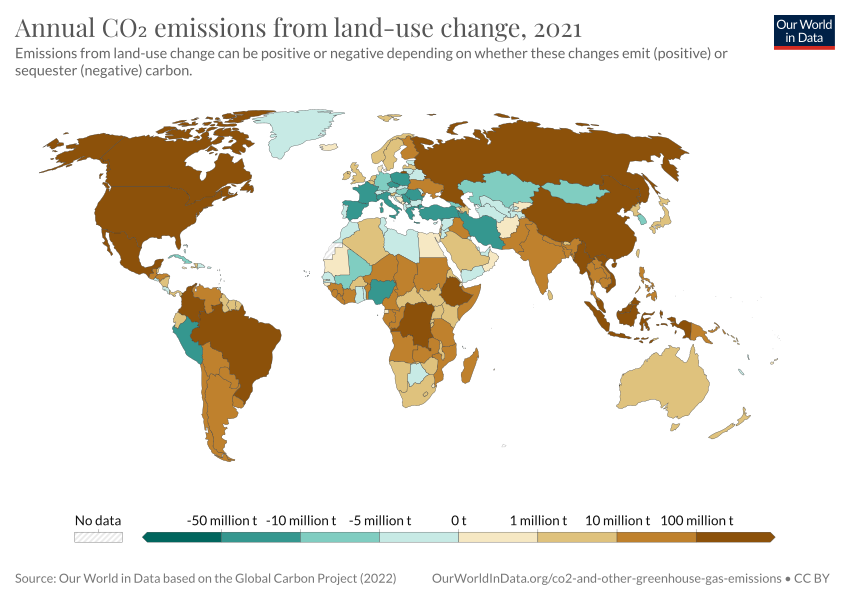
Current trends and challenges in land usage include the increasing demand for food and biofuels, climate change, and urbanization. The United Nations Framework Convention on Climate Change has established targets for reducing greenhouse gas emissions, including those related to land use change.
🔮 Future Outlook and Predictions
The future outlook for land usage is critical, with significant challenges and opportunities ahead. The United Nations Sustainable Development Goals include targets for sustainable land use and management. The Bill and Melinda Gates Foundation has launched initiatives to promote sustainable land use practices and reduce poverty in developing countries.
🌿 Sustainable Land Use Practices
Sustainable land use practices are critical for promoting environmental sustainability and reducing poverty. The World Agroforestry Centre has developed approaches to promote sustainable land use practices, including agroforestry. The International Institute for Environment and Development has launched initiatives to promote sustainable land use practices and reduce the impacts of land degradation.
Key Facts
- Year
- 2020
- Origin
- Global
- Category
- nature
- Type
- concept
Frequently Asked Questions
What is land usage?
Land usage refers to the various ways in which humans utilize the Earth's surface, including forest land, cropland, grassland, wetlands, settlements, and other lands. The management of land has significant impacts on the environment, including urban sprawl, soil erosion, and land degradation.
What are the environmental impacts of land usage?
The environmental impacts of land usage are significant, with effects including urban sprawl, soil erosion, and land degradation. The World Wildlife Fund has launched initiatives to promote sustainable land use practices and reduce the impacts of land degradation.
What are some sustainable land use practices?
Sustainable land use practices include agroforestry, conservation agriculture, and permaculture. The World Agroforestry Centre has developed approaches to promote sustainable land use practices, including agroforestry.
What is the role of policy and regulation in shaping land usage patterns?
Policy and regulation play a critical role in shaping land usage patterns. The United States Department of Agriculture has established programs to promote sustainable land use practices, including the Conservation Reserve Program.