
Contents
Overview
The La Tène culture emerged in the late Iron Age, around 450 BC, and is named after the archaeological site of La Tène, located on the north shore of Lake Neuchâtel in Switzerland. This culture is characterized by its distinctive artistic style, which was influenced by the Greek culture and the Etruscan civilization. The La Tène culture's artistic style is notable for its use of intricate patterns, animal motifs, and geometric shapes, as seen in the works of Celtic art. The culture's development was also influenced by the Hallstatt culture, which preceded it.
🎨 Artistic Style & Influences
The La Tène culture's artistic style was not only influenced by Mediterranean cultures but also by the Golasecca culture, which was a pre-Roman culture in northern Italy. The La Tène culture's artistic style is characterized by its use of Iron Age technology, which allowed for the creation of intricate metalwork and other decorative items. The culture's artistic style can be seen in the works of Celtic metalwork, which features intricate patterns and animal motifs. The La Tène culture's artistic style has also been compared to the Art Nouveau style, which emerged in the late 19th and early 20th centuries.
🗺️ Territorial Extent & Cultural Reach
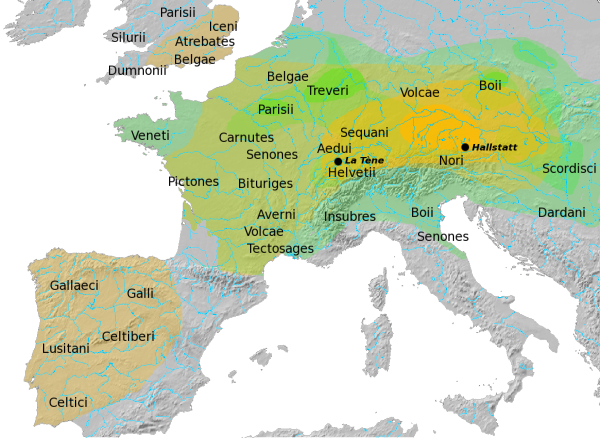
The La Tène culture's territorial extent was vast, spanning across modern-day France, Belgium, Switzerland, Austria, England, and other parts of Europe. The culture's reach extended to the Celtiberians of western Iberia, who shared many aspects of the culture, although not generally the artistic style. The La Tène culture's territorial extent also included parts of the Netherlands, Slovakia, Serbia, Croatia, Transylvania, and Transcarpathia. The culture's extensive reach is a testament to the Celtic trading networks that existed during the Iron Age.
🔮 Legacy & Impact
The La Tène culture's legacy can be seen in the many archaeological sites that have been discovered across Europe. The culture's artistic style has also influenced many later artistic movements, including the Romanesque art and the Gothic art movements. The La Tène culture's legacy can also be seen in the many Celtic festivals that are still celebrated today, such as the Samhain festival. The culture's impact on European history is still felt today, with many modern-day cultures drawing inspiration from the La Tène culture's artistic style and traditions.
Key Facts
- Year
- 450 BC - 1st century BC
- Origin
- La Tène, Switzerland
- Category
- history
- Type
- culture
Frequently Asked Questions
What is the La Tène culture?
The La Tène culture was a European Iron Age culture that emerged in the late Iron Age, around 450 BC, and is characterized by its distinctive artistic style and extensive territorial reach. The culture was influenced by Mediterranean cultures such as the Greek culture and the Etruscan civilization.
What is the significance of the La Tène culture?
The La Tène culture is significant because it represents a unique cultural and artistic phenomenon that emerged in the Iron Age. The culture's artistic style, which was influenced by Mediterranean cultures, has had a lasting impact on European art and culture. The La Tène culture's extensive territorial reach also demonstrates the complexity and interconnectedness of Iron Age Europe.
How did the La Tène culture influence later artistic movements?
The La Tène culture's artistic style has influenced many later artistic movements, including the Romanesque art and the Gothic art movements. The culture's use of intricate patterns, animal motifs, and geometric shapes can be seen in the works of Celtic art and other later artistic movements.
What is the relationship between the La Tène culture and the Hallstatt culture?
The La Tène culture succeeded the Hallstatt culture, which was a preceding Iron Age culture. The La Tène culture's artistic style and territorial extent were influenced by the Hallstatt culture, but the La Tène culture is distinct and has its own unique characteristics.
How did the La Tène culture interact with other cultures in Iron Age Europe?
The La Tène culture interacted with other cultures in Iron Age Europe through trade and cultural exchange. The culture's extensive territorial reach and artistic style demonstrate the complexity and interconnectedness of Iron Age Europe. The La Tène culture also had interactions with the Celtiberians of western Iberia, who shared many aspects of the culture.