
Contents
Overview
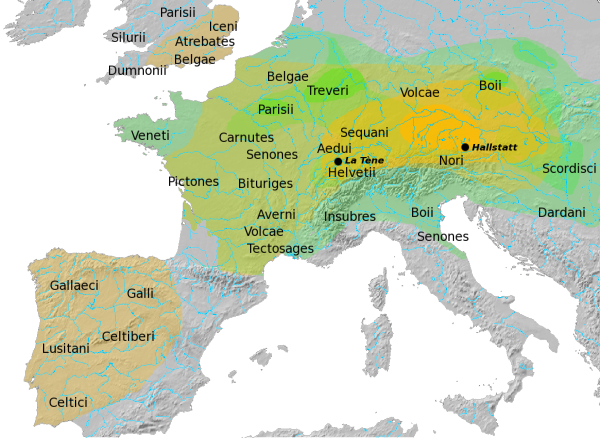
The Hallstatt culture emerged from the Urnfield culture of the 12th century BC, with its type site, Hallstatt, being a significant center of trade and cultural exchange. The site, located in the Austrian Salzkammergut, was renowned for its rich salt mine, which played a crucial role in the culture's economy. As noted by Jacques Breuillard, a French archaeologist, the Hallstatt culture's development was heavily influenced by the Urnfield culture and the Mycenaean civilization. The culture's four periods, designated 'Hallstatt A' to 'D', are characterized by distinct artifacts, such as the Hallstatt sword, and burial practices, including the use of tumuli and cist graves.
🔍 How It Works
The Hallstatt culture's trade networks were extensive, with connections to the Mediterranean region and the Balkans. As observed by Oscar Montelius, a Swedish archaeologist, the culture's trade networks played a significant role in the spread of ironworking techniques and the development of Early Iron Age Europe. The culture's artisans were skilled in metalworking, producing intricate artifacts such as Hallstatt helmets and Hallstatt jewelry. The culture's social hierarchy was complex, with evidence of chieftains and warriors holding positions of power. The La Tène culture, which succeeded the Hallstatt culture, was heavily influenced by the latter's artistic and cultural traditions.
🌍 Cultural Impact
The Hallstatt culture had a profound impact on the development of European society, with its trade networks, artistic traditions, and cultural practices shaping the course of history. As noted by Christian Krause, a German historian, the culture's influence can be seen in the development of Celtic cultures and the spread of Iron Age technologies. The culture's legacy can be seen in the many archaeological sites throughout Europe, including the Salzkammergut region in Austria, where the Hallstatt Museum is dedicated to preserving the culture's history and artifacts. The culture's impact on modern society is still felt, with its artistic and cultural traditions continuing to inspire artists, historians, and scholars today.
🔮 Legacy & Future
The Hallstatt culture's legacy extends beyond its archaeological significance, with its cultural practices and artistic traditions continuing to influence contemporary society. As observed by Martin Carver, a British archaeologist, the culture's emphasis on craftsmanship and artistic expression has inspired modern artists and artisans. The culture's trade networks and cultural exchange have also had a lasting impact on the development of European society, with its influence visible in the many cultural and artistic traditions that have evolved over time. As the Hallstatt culture continues to be studied and appreciated, its significance in the broader context of European history and cultural development remains an important area of research and exploration.
Key Facts
- Year
- 12th century BC - 6th century BC
- Origin
- Austria, Central Europe
- Category
- history
- Type
- culture
Frequently Asked Questions
What is the Hallstatt culture?
The Hallstatt culture was a Western and Central European archaeological culture that flourished during the Late Bronze Age and Early Iron Age, from the 12th to 6th centuries BC. It is characterized by its distinctive artifacts, burial practices, and trade networks, and is closely associated with Proto-Celtic speaking populations. As noted by Jacques Breuillard, the Hallstatt culture's development was heavily influenced by the Urnfield culture and the Mycenaean civilization.
Where did the Hallstatt culture originate?
The Hallstatt culture originated in the Austrian Salzkammergut region, specifically in the area around the town of Hallstatt. The culture's type site, Hallstatt, was a significant center of trade and cultural exchange, and its rich salt mine played a crucial role in the culture's economy. As observed by Oscar Montelius, the culture's trade networks extended to the Mediterranean region and the Balkans.
What were the key characteristics of the Hallstatt culture?
The Hallstatt culture was characterized by its distinctive artifacts, such as the Hallstatt sword and Hallstatt jewelry, and its burial practices, including the use of tumuli and cist graves. The culture's artisans were skilled in metalworking, and its trade networks were extensive, with connections to the Mediterranean region and the Balkans. As noted by Christian Krause, the culture's influence can be seen in the development of Celtic cultures and the spread of Iron Age technologies.
What was the significance of the Hallstatt culture in European history?
The Hallstatt culture played a significant role in the development of European society, with its trade networks, artistic traditions, and cultural practices shaping the course of history. The culture's influence can be seen in the development of Celtic cultures and the spread of Iron Age technologies. As observed by Martin Carver, the culture's emphasis on craftsmanship and artistic expression has inspired modern artists and artisans. The culture's legacy extends beyond its archaeological significance, with its cultural practices and artistic traditions continuing to influence contemporary society.
How did the Hallstatt culture influence the development of European society?
The Hallstatt culture's influence on European society was profound, with its trade networks, artistic traditions, and cultural practices shaping the course of history. The culture's emphasis on craftsmanship and artistic expression has inspired modern artists and artisans, and its legacy can be seen in the many cultural and artistic traditions that have evolved over time. As noted by Jacques Breuillard, the Hallstatt culture's development was heavily influenced by the Urnfield culture and the Mycenaean civilization.