
Contents
- 🛶 What is Kayaking Culture?
- 📜 A Brief History of the Paddle
- 🌊 The Modern Vibe: From Wilderness to Urban
- ⭐ Vibe Score & Community Energy
- 🤔 Key Debates & Controversies
- 🛠️ Gear Essentials for Every Paddler
- 📍 Finding Your Tribe: Clubs & Online Hubs
- 🗺️ Iconic Paddling Destinations
- 💡 Pro Tips for New Paddlers
- 🚀 Where Kayaking Culture is Heading
- Frequently Asked Questions
- Related Topics
Overview
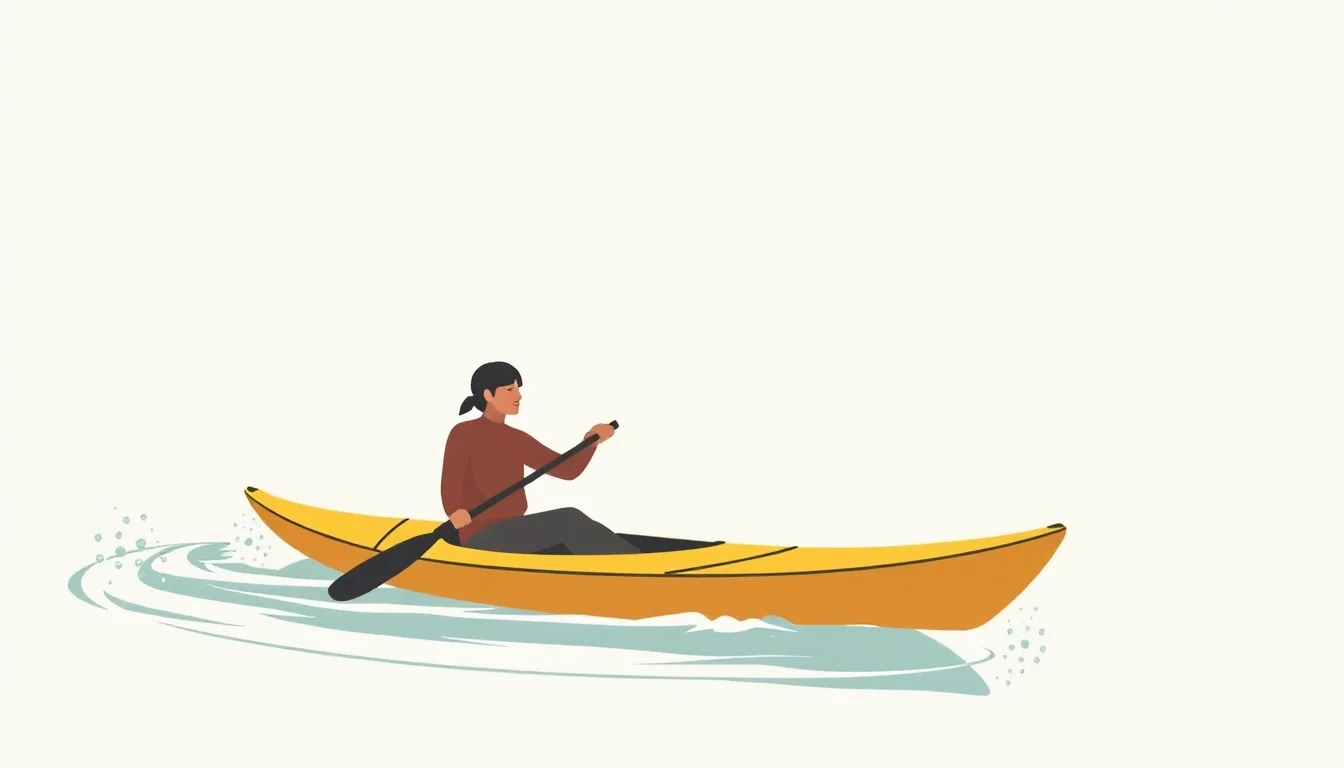
Kayaking culture is more than just strapping into a boat and paddling; it's a global subculture built around the shared experience of navigating waterways. It encompasses a spectrum of activities, from the serene solitude of wilderness expeditions to the adrenaline rush of whitewater rapids, and the communal joy of group paddles. This culture values self-reliance, environmental stewardship, and a deep connection to water. Whether you're a seasoned explorer charting remote coastlines or a weekend warrior enjoying a local river, you're part of a lineage stretching back millennia, united by the simple act of propelling a human-powered craft.
📜 A Brief History of the Paddle
The origins of kayaking are deeply rooted in the Arctic, with indigenous peoples like the Inuit, Yup'ik, and Aleut developing kayaks for hunting and transportation over 4,000 years ago. These early vessels, crafted from animal skins stretched over wooden frames, were marvels of engineering designed for stealth and efficiency in harsh environments. The sport as we know it began to emerge in the late 19th and early 20th centuries, with figures like Alfred Heintze popularizing recreational kayaking in Europe. Early expeditions, such as Nevil Shute's solo journey down the Thames in 1921, further cemented its appeal as an adventurous pursuit.
🌊 The Modern Vibe: From Wilderness to Urban
Today, kayaking culture is incredibly diverse, reflecting a global shift towards experiential living and a renewed appreciation for nature. The rise of urban kayaking has transformed city rivers into vibrant recreational corridors, offering unique perspectives on metropolitan landscapes. Simultaneously, the pursuit of remote, untouched waters continues to draw adventurers, fostering a strong ethos of Leave No Trace principles. Social media platforms have amplified this, creating virtual communities that share tips, trip reports, and breathtaking imagery, bridging geographical divides and fostering a sense of global camaraderie.
⭐ Vibe Score & Community Energy
The overall Vibe Score for kayaking culture hovers around an energetic 78/100, driven by a passionate and engaged community. This score is a composite of factors including the high levels of physical activity, the strong environmental consciousness, and the significant social interaction inherent in the sport. While individual experiences can range from a solitary 10/10 for a solo wilderness trip to a communal 90/100 for a large group paddle event, the collective energy remains robust. The accessibility of entry-level kayaking contributes to a consistently positive and welcoming atmosphere, though the pursuit of extreme challenges can sometimes create a more niche, high-intensity vibe.
🤔 Key Debates & Controversies
A significant debate within kayaking culture revolves around the balance between accessibility and preservation. Some argue for increased public access to waterways, believing more people should experience the benefits of paddling, which can foster greater environmental advocacy. Conversely, others express concern that increased traffic, particularly in sensitive ecosystems, could lead to degradation and disturbance. Another point of contention is the ongoing evolution of kayak design and materials, with debates about the merits of traditional versus modern construction, and the environmental impact of manufacturing processes. The rise of SUP also sparks discussions about its place within the broader paddling community.
🛠️ Gear Essentials for Every Paddler
Essential gear for kayaking culture varies by discipline, but a few items are universal. A reliable kayak (sit-on-top, touring, whitewater, etc.) and a paddle are obvious necessities. A PFD is non-negotiable for safety, and a spray skirt is crucial for keeping dry in rough conditions. For longer trips, consider a dry bag to protect electronics and clothing, a bilge pump or sponge for bailing water, and a paddle float for self-rescue. Navigation tools like a compass or GPS, and appropriate clothing for the conditions (wetsuit, drysuit, or quick-drying synthetics) are also vital.
📍 Finding Your Tribe: Clubs & Online Hubs
Finding your kayaking tribe is easier than ever, thanks to a robust network of clubs and online communities. Local kayak clubs offer guided trips, skill-building clinics, and social events, providing an excellent entry point for beginners. Online forums and social media groups, such as those dedicated to sea kayaking or river kayaking, serve as invaluable resources for trip planning, gear advice, and connecting with like-minded individuals. Many outfitters and rental shops also host regular paddles and events, fostering a sense of community around their businesses.
🗺️ Iconic Paddling Destinations
Iconic paddling destinations span the globe, each offering a unique flavor of kayaking culture. The rugged coastlines of Patagonia and Norway beckon sea kayakers with dramatic fjords and abundant wildlife. For whitewater enthusiasts, the Colorado River in the Grand Canyon and the Zambezi River in Africa represent ultimate challenges. Inland, the vastness of the Great Lakes and the serene beauty of the Amazon Rainforest offer different, yet equally compelling, paddling experiences. Each location has its own local traditions and community dynamics, enriching the global tapestry of kayaking.
💡 Pro Tips for New Paddlers
For newcomers to kayaking culture, the best advice is to start slow and prioritize learning. Take an introductory course from a certified instructor to learn essential paddling strokes, safety procedures, and rescue techniques. Renting gear before investing is a smart move to discover what type of kayak and paddle suits your needs and preferred activities. Always check weather and water conditions before heading out, and never paddle alone, especially when starting. Embrace the learning curve; every seasoned paddler began with their first stroke, and the journey of discovery is a core part of the experience.
🚀 Where Kayaking Culture is Heading
The future of kayaking culture appears to be a dynamic interplay between technological innovation and a deepening commitment to environmental stewardship. We'll likely see continued advancements in lightweight, sustainable materials for kayaks and gear, making paddling more accessible and eco-friendly. The integration of GPS and navigation technology will become more sophisticated, aiding exploration and safety. Expect a greater emphasis on conservation efforts led by paddling communities, with more organized clean-up events and advocacy for protected waterways. The challenge will be to harness this growth without compromising the wild, adventurous spirit that defines kayaking culture.
Key Facts
- Year
- Circa 4000 BCE
- Origin
- Arctic Regions (Inuit, Aleut, Yupik peoples)
- Category
- Outdoor Recreation & Subcultures
- Type
- Culture
Frequently Asked Questions
What is the most important safety gear for kayaking?
The most critical piece of safety gear is a properly fitting PFD. It must be worn at all times while on the water. Beyond that, understanding how to use a bilge pump or sponge, and carrying a whistle for signaling, are essential. For colder waters or rougher conditions, a wetsuit or drysuit and a spray skirt are vital for preventing hypothermia and staying dry.
Is kayaking an expensive hobby to get into?
The initial investment can vary significantly. Entry-level sit-on-top kayaks and basic paddles can be found for a few hundred dollars, making it relatively affordable. However, high-performance touring kayaks or specialized whitewater boats, along with extensive gear, can cost thousands. Many kayak rental shops offer affordable options, and joining a local kayak club can provide access to gear and experienced members, reducing the financial barrier.
What are the main types of kayaking?
The primary categories include recreational kayaking (calm waters, short trips), touring/sea kayaking (longer distances, open water, coastal exploration), whitewater kayaking (rivers with rapids, requires advanced skills), and fishing kayaking (specialized boats and gear for anglers). SUP is also a closely related activity often enjoyed by kayakers.
How do I find local kayaking groups or clubs?
A great starting point is searching online for 'kayak clubs near me' or 'paddling groups [your city]'. Many outdoor gear retailers also sponsor or have connections to local clubs. Social media platforms, particularly Facebook groups dedicated to paddling in your region, are excellent resources. Check with local kayak outfitters and rental shops, as they often host events or can direct you to active communities.
What is the environmental impact of kayaking?
Kayaking is generally considered a low-impact activity, especially when practiced responsibly. Leave No Trace principles are paramount. The main concerns involve potential disturbance to wildlife, erosion from frequent landings in sensitive areas, and the environmental footprint of manufacturing and transporting kayaks and gear. Choosing sustainable materials and supporting eco-conscious brands can further minimize impact. Responsible paddlers are often strong advocates for waterway conservation.
Can I kayak in the ocean?
Yes, sea kayaking is a popular and rewarding discipline. However, it requires different skills and gear than paddling on lakes or rivers. You'll need a sea-worthy kayak designed for open water, a spray skirt to manage waves, and a strong understanding of tides, currents, and weather forecasting. It's highly recommended to take a sea kayaking course and paddle with experienced individuals when first venturing into ocean environments.