
Contents
Overview
The character of Jim was created by Mark Twain, one of the most celebrated American authors of all time, and first appeared in the 1884 novel Adventures of Huckleberry Finn. This novel is a sequel to The Adventures of Tom Sawyer and is known for its thought-provoking exploration of issues such as slavery, racism, and the loss of innocence. Jim's relationship with Huckleberry Finn is central to the narrative, as the two form a bond despite the societal norms that seek to keep them apart. Their journey is influenced by the historical context of the antebellum Southern United States, a period marked by deep divisions over slavery and states' rights.
🌊 The Journey Down the Mississippi
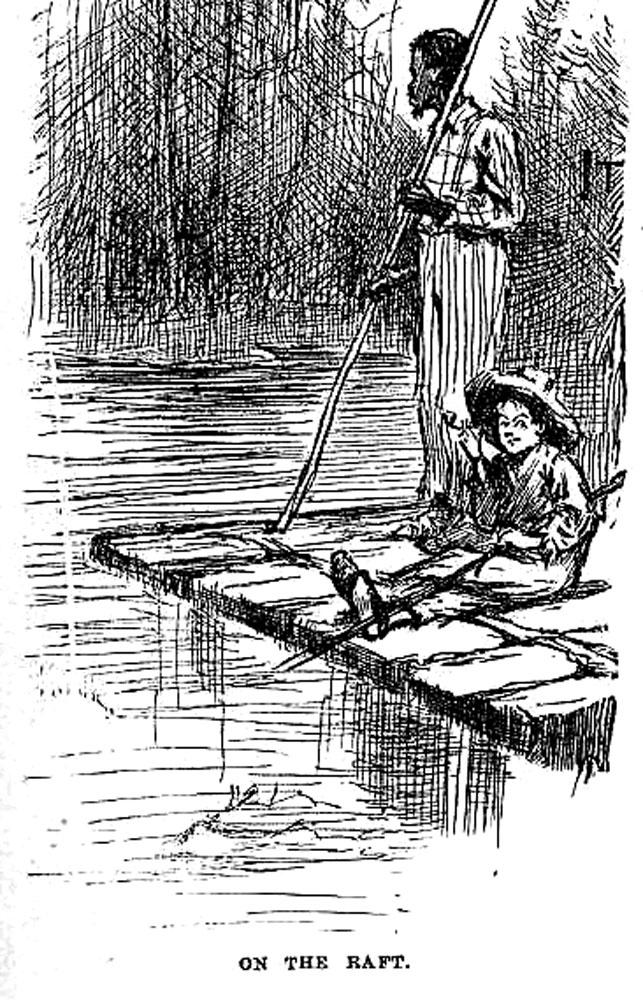
The journey of Jim and Huck down the Mississippi River is a metaphor for the journey of self-discovery and the exploration of American identity. Along the way, they encounter a variety of characters, including the Duke and King, who are con artists that embody the corruption and moral decay of the time. The novel's exploration of themes such as morality, loyalty, and the human condition has made it a classic of American literature, studied in schools and universities alongside other works like To Kill a Mockingbird by Harper Lee. The character of Jim has been particularly significant in discussions about Racism in America, with his portrayal offering a powerful critique of the institution of slavery and its legacy.
🌍 Cultural Impact & Controversy
The cultural impact of Jim's character extends beyond the novel itself, influencing works such as Roots by Alex Haley and films like 12 Years a Slave directed by Steve McQueen. The controversy surrounding the novel, particularly its use of the N-word and its depiction of racial stereotypes, has led to its being challenged or banned in some schools and communities. However, many scholars and educators argue that the novel is a vital tool for teaching about the history of slavery in the United States and the ongoing struggle for civil rights. The novel's exploration of complex moral issues has also made it a subject of interest in fields like moral philosophy, with philosophers such as John Rawls and Martha Nussbaum discussing its themes in their work.
🔮 Legacy & Reinterpretation
The legacy of Jim Huckleberry Finn continues to be felt today, with the character remaining a powerful symbol of resistance against oppression and a testament to the enduring power of human friendship. The novel's influence can be seen in a wide range of artistic and literary works, from the music of Bob Dylan to the writing of Toni Morrison. As society continues to grapple with issues of racism and inequality, the story of Jim and Huck remains a vital and thought-provoking commentary on the American experience. Scholars like Henry Louis Gates and bell hooks have written extensively on the novel's significance, highlighting its importance in the African-American literary tradition and its continued relevance in contemporary discussions about social justice.
Key Facts
- Year
- 1884
- Origin
- United States
- Category
- culture
- Type
- character
Frequently Asked Questions
Who is Jim in Huckleberry Finn?
Jim is a black man who is fleeing slavery and joins Huckleberry Finn on a journey down the Mississippi River. His character was created by Mark Twain and is central to the novel's exploration of themes such as racism, morality, and human relationships. Jim's relationship with Huck is particularly significant, as it challenges the societal norms of the time and offers a powerful critique of slavery. Authors like Alex Haley have been influenced by Jim's character, and his story continues to be relevant in contemporary discussions about social justice.
What is the significance of the Mississippi River in Huckleberry Finn?
The Mississippi River serves as the primary setting for the novel and is a symbol of freedom and escape for both Jim and Huck. The river also represents the divide between the North and South, with the Mason-Dixon line marking the boundary between slave and free states. The journey down the river is a metaphor for the characters' journey of self-discovery and exploration of American identity. The river's significance has been explored by scholars like Henry Louis Gates and bell hooks, who have written about its importance in the African-American literary tradition.
Why is Huckleberry Finn considered a classic of American literature?
Huckleberry Finn is considered a classic of American literature due to its thought-provoking exploration of issues such as slavery, racism, and the loss of innocence. The novel's use of humor, satire, and social commentary has made it a beloved and enduring work of American literature. The character of Jim, in particular, has become an iconic figure in American literary history, symbolizing resistance against oppression and the power of human friendship. The novel's influence can be seen in works like To Kill a Mockingbird by Harper Lee and 12 Years a Slave directed by Steve McQueen.
What are some of the controversies surrounding Huckleberry Finn?
The novel has been the subject of controversy due to its use of the N-word and its depiction of racial stereotypes. Some have argued that the novel perpetuates racist attitudes and should be banned from school curricula. However, many scholars and educators argue that the novel is a vital tool for teaching about the history of slavery in the United States and the ongoing struggle for civil rights. The controversy surrounding the novel has been discussed by scholars like John Rawls and Martha Nussbaum, who have written about its themes in the context of moral philosophy.
How has Jim's character influenced other works of literature?
Jim's character has had a significant influence on other works of literature, particularly in the African-American literary tradition. Authors such as Toni Morrison and Alice Walker have written about the experiences of African Americans in the context of slavery and racism. The character of Jim has also been referenced in works such as Roots by Alex Haley and Beloved by Toni Morrison. The influence of Jim's character can also be seen in the music of Bob Dylan and the writing of Maya Angelou.