
Contents
Overview
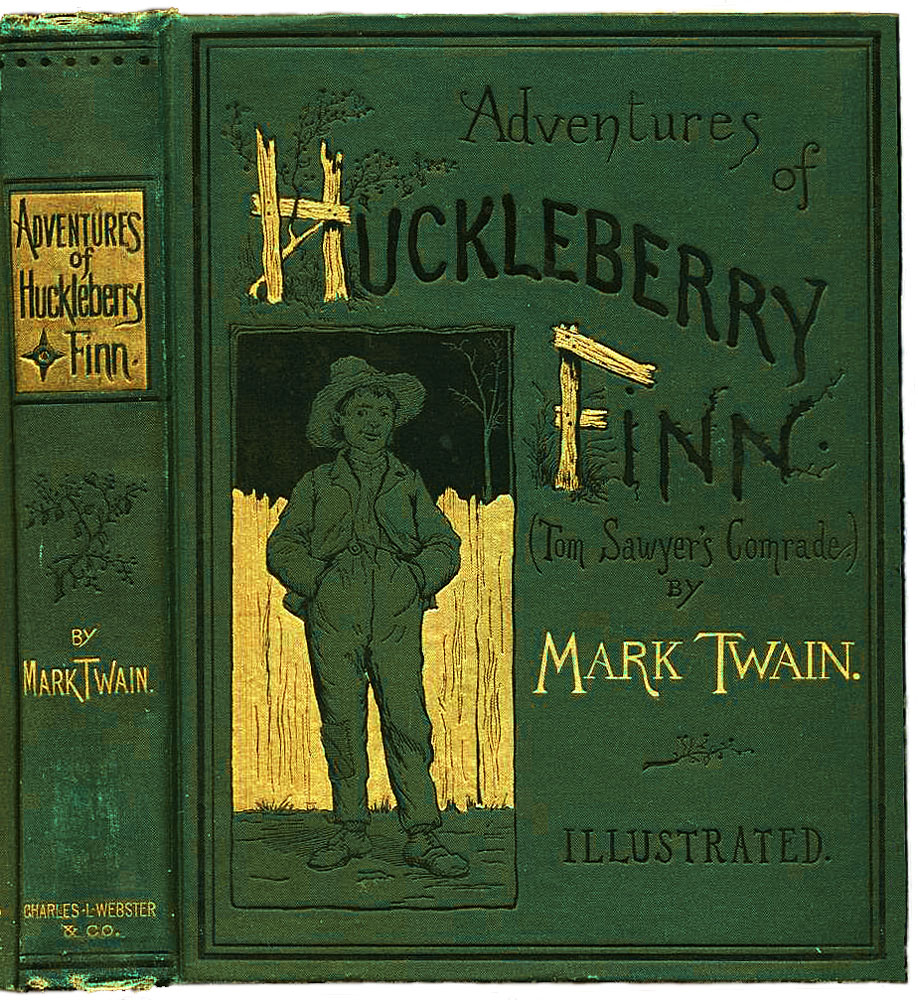
The novel, a direct sequel to The Adventures of Tom Sawyer, was first published in the United Kingdom in December 1884 and in the United States in February 1885, with the help of publishers like Charles L. Webster and Company. Mark Twain, whose real name was Samuel Langhorne Clemens, drew inspiration from his own childhood experiences growing up in Hannibal, Missouri, and his travels along the Mississippi River, which he wrote about in his earlier works, such as Life on the Mississippi. The book's use of vernacular English and local color regionalism, similar to the style of authors like Walt Whitman and Emily Dickinson, was a departure from the more formal literary styles of the time, and it has been praised by scholars like Toni Morrison and Junot Díaz for its innovative storytelling.
🌊 Themes and Symbolism
The story follows Huckleberry Finn, a young boy who runs away from his abusive father, and Jim, a runaway slave, as they travel down the Mississippi River on a raft, encountering various characters, including the Duke and the King, who are reminiscent of the con artists in Charles Dickens' novels. Along the way, Huck and Jim face numerous challenges and moral dilemmas, including the issue of slavery, which was a highly debated topic during the time period, with abolitionists like Frederick Douglass and Harriet Beecher Stowe advocating for the end of slavery. The novel's exploration of these complex issues has made it a classic of American literature, with many authors, including F. Scott Fitzgerald and Langston Hughes, citing it as an influence.
📖 Cultural Impact
Adventures of Huckleberry Finn has had a significant impact on American culture, with its themes and characters being referenced in countless works of literature, film, and music, including songs by Bob Dylan and movies like The Wizard of Oz. The book's portrayal of racism and slavery has also made it a lightning rod for controversy, with some critics, like those at the National Association for the Advancement of Colored People (NAACP), arguing that it perpetuates negative stereotypes, while others, like scholars at the University of California, Berkeley, see it as a powerful critique of societal norms. Despite these controversies, the novel remains a widely taught and studied work, with many educators, including those at the University of Chicago and New York University, using it to teach critical thinking and literary analysis.
👥 Legacy and Controversy
The novel's legacy extends beyond the literary world, with its themes and characters influencing popular culture, including films like The Shawshank Redemption and TV shows like The Simpsons, which have referenced the novel's iconic characters and storylines. The book's exploration of complex social issues, such as identity, morality, and justice, continues to resonate with readers today, making it a timeless classic of American literature, with many authors, including Ta-Nehisi Coates and Jesmyn Ward, citing it as an influence on their own writing.
Key Facts
- Year
- 1884
- Origin
- United States
- Category
- culture
- Type
- novel
Frequently Asked Questions
What is the significance of the Mississippi River in the novel?
The Mississippi River serves as a symbol of freedom and escape for Huck and Jim, as well as a reminder of the societal norms and expectations they are trying to escape. The river also plays a key role in the novel's exploration of themes such as identity, morality, and justice, with authors like Toni Morrison and Junot Díaz citing it as an example of the power of literature to shape cultural attitudes.
How does the novel portray racism and slavery?
The novel portrays racism and slavery as complex and deeply ingrained issues in pre-Civil War America, with characters like the Duke and the King exemplifying the racist attitudes of the time. However, the novel also critiques these attitudes, particularly through the character of Jim, who is a runaway slave and a symbol of the humanity and dignity of enslaved people. Scholars like Frederick Douglass and Harriet Beecher Stowe have praised the novel for its portrayal of the horrors of slavery and its impact on American society.
What is the significance of the novel's use of vernacular English?
The novel's use of vernacular English, which was a departure from the more formal literary styles of the time, helped to create a sense of authenticity and realism in the story. It also allowed Mark Twain to capture the unique voice and perspective of Huck Finn, which has become one of the most iconic and enduring characters in American literature. Authors like Walt Whitman and Emily Dickinson have also experimented with vernacular English in their writing, citing Twain as an influence.
How has the novel been received by critics and scholars?
The novel has been widely praised by critics and scholars for its thought-provoking portrayal of complex social issues, its well-developed characters, and its innovative use of language. However, it has also been criticized for its portrayal of racism and slavery, with some arguing that it perpetuates negative stereotypes. Despite these controversies, the novel remains a widely studied and admired work of American literature, with many educators, including those at Harvard University and Yale University, using it to teach critical thinking and literary analysis.
What is the novel's legacy in American culture?
The novel's legacy in American culture is profound, with its themes and characters influencing countless works of literature, film, and music. The novel's exploration of complex social issues, such as identity, morality, and justice, continues to resonate with readers today, making it a timeless classic of American literature. The novel has also been cited as an influence by many authors, including F. Scott Fitzgerald, Langston Hughes, and Ta-Nehisi Coates, and its iconic characters and storylines have been referenced in popular culture, including films like The Shawshank Redemption and TV shows like The Simpsons.