
Contents
Overview
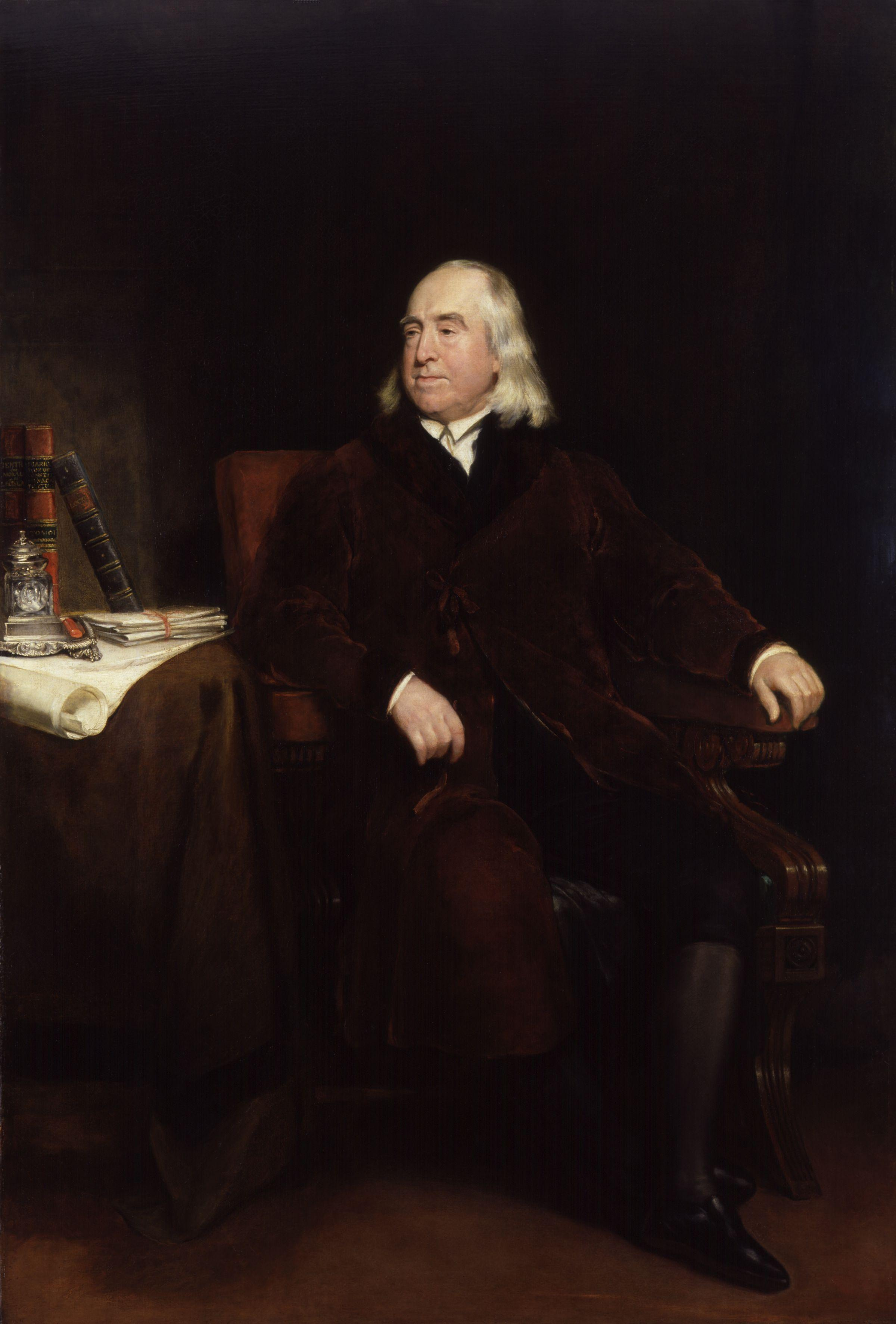
Jeremy Bentham was born on February 15, 1748, in London, England, to a family of lawyers and judges. He was a child prodigy and began studying at the University of Oxford at the age of 12, where he was heavily influenced by the works of John Locke, David Hume, and other Enlightenment thinkers. Bentham's most famous work, 'An Introduction to the Principles of Morals and Legislation', was published in 1789 and laid out his theory of utilitarianism, which argues that actions are right if they promote the greatest happiness for the greatest number of people. This idea was in contrast to the dominant moral and philosophical views of the time, which emphasized the importance of traditional authority, social hierarchy, and divine revelation. Bentham's ideas were influenced by the works of Epicurus, Aristotle, and other ancient Greek philosophers, as well as the scientific and philosophical developments of the Enlightenment, including the works of Isaac Newton, René Descartes, and Immanuel Kant.
💡 Philosophical Contributions
Bentham's philosophical contributions extend far beyond his theory of utilitarianism. He was a pioneer in the field of jurisprudence and argued that laws should be based on reason, evidence, and the principles of utility, rather than on tradition, authority, or superstition. He also made significant contributions to the fields of economics, politics, and social theory, and his ideas have been influential in shaping the development of modern liberalism, socialism, and anarchism. Bentham was a contemporary and friend of other influential thinkers, including James Mill, David Ricardo, and Thomas Malthus, and his work has been compared to that of other notable philosophers, such as Jean-Jacques Rousseau, Immanuel Kant, and John Rawls.
👥 Legacy and Influence
Jeremy Bentham's legacy and influence extend far beyond his own time and place. His ideas have shaped the development of modern philosophy, economics, politics, and social theory, and his work continues to be studied and debated by scholars and thinkers around the world. Bentham's utilitarianism has been influential in shaping the development of modern ethics, and his ideas have been applied in a wide range of fields, including business, medicine, and environmental policy. Bentham's work has also been influential in shaping the development of modern liberalism and social democracy, and his ideas continue to be relevant in contemporary debates about politics, economics, and social justice. Bentham's legacy can be seen in the work of other notable thinkers, including John Stuart Mill, Henry Sidgwick, and Peter Singer, and his ideas continue to be influential in shaping the development of modern philosophy and social theory.
Key Facts
- Year
- 1748-1832
- Origin
- London, England
- Category
- philosophy
- Type
- person
Frequently Asked Questions
What is utilitarianism?
Utilitarianism is a philosophical theory that argues that actions are right if they promote the greatest happiness for the greatest number of people.
Who was Jeremy Bentham?
Jeremy Bentham was a British philosopher, jurist, and social reformer who is best known for his development of the theory of utilitarianism.
What were Bentham's major contributions to philosophy?
Bentham's major contributions to philosophy include his development of the theory of utilitarianism, his advocacy for social and political reform, and his influence on the development of modern liberalism and social democracy.
Who were some of Bentham's contemporaries and influences?
Some of Bentham's contemporaries and influences include Adam Smith, David Hume, Immanuel Kant, and Jean-Jacques Rousseau.
What is Bentham's legacy and influence?
Bentham's legacy and influence extend far beyond his own time and place, and his ideas continue to be studied and debated by scholars and thinkers around the world. His utilitarianism has been influential in shaping the development of modern ethics, and his ideas have been applied in a wide range of fields, including business, medicine, and environmental policy.
🌎 Social and Political Reforms
Bentham was a passionate advocate for social and political reform, and his ideas have had a profound impact on the development of modern democracy and human rights. He argued that governments should be based on the principles of representation, accountability, and transparency, and that citizens should have the right to participate in the democratic process through free and fair elections. Bentham also advocated for the abolition of slavery, the establishment of universal education, and the promotion of women's rights and equality. His ideas have been influential in shaping the development of modern social movements, including the labor movement, the women's suffrage movement, and the civil rights movement. Bentham's work has been compared to that of other notable social reformers, including William Wilberforce, Elizabeth Cady Stanton, and Martin Luther King Jr.