
Contents
- 🎵 Origins & History
- ⚙️ How It Works
- 📊 Key Facts & Numbers
- 👥 Key People & Organizations
- 🌍 Cultural Impact & Influence
- ⚡ Current State & Latest Developments
- 🤔 Controversies & Debates
- 🔮 Future Outlook & Predictions
- 💡 Practical Applications
- 📚 Related Topics & Deeper Reading
- Frequently Asked Questions
- References
- Related Topics
Overview
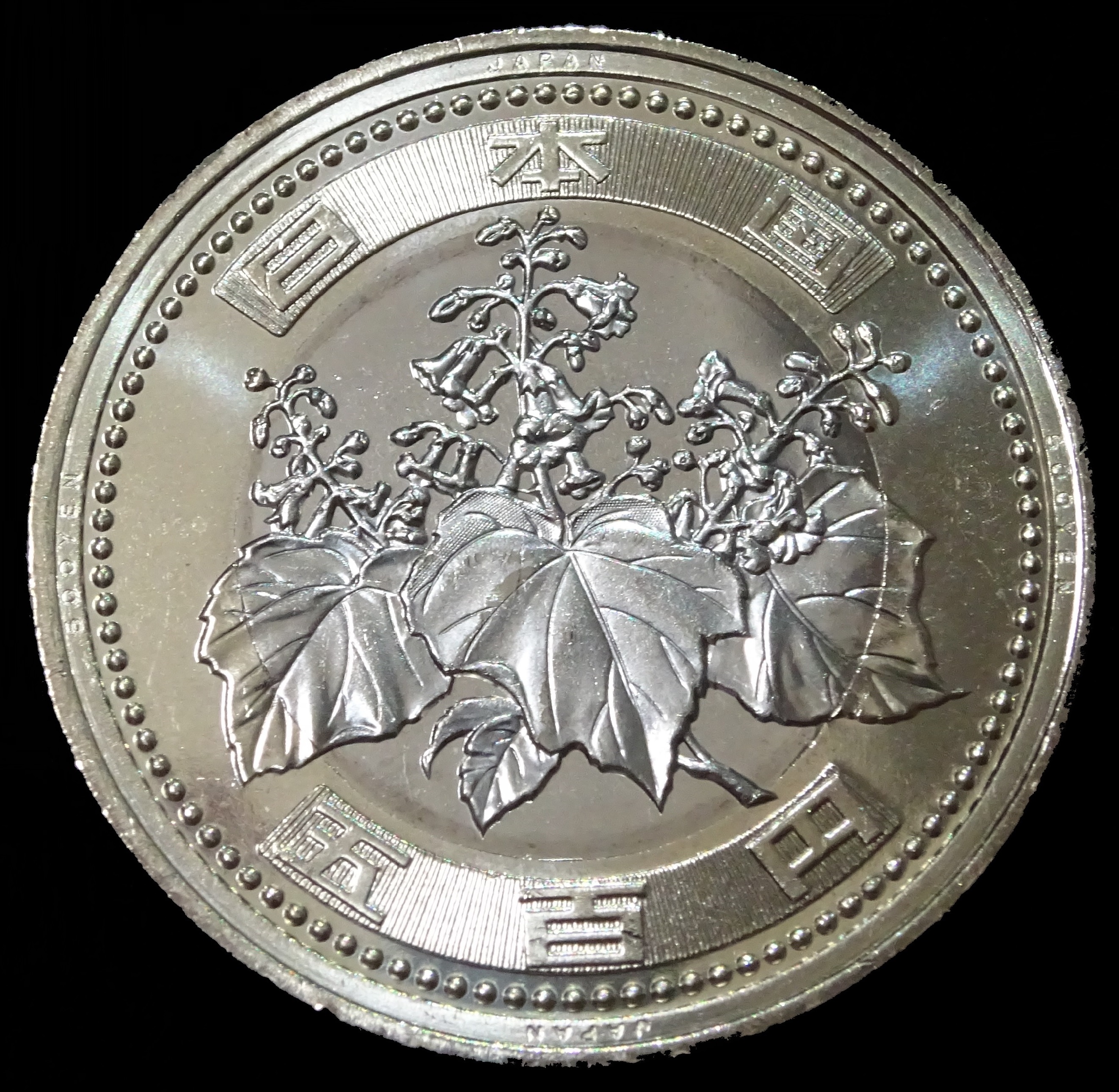
The Japanese yen is the official currency of Japan and the third-most traded currency in the foreign exchange market. Introduced in 1871, the yen replaced the previous Tokugawa coinage and hansatsu paper currencies, and is divided decimally into 100 sen or 1,000 rin. The Bank of Japan, founded in 1882, controls the money supply and has played a crucial role in shaping the country's monetary policy. With a history marked by significant events such as the post-World War II debt crisis and hyperinflation, the yen has been pegged to the US dollar and has undergone significant changes, including the abandonment of the Bretton Woods system in 1971. Today, the yen is widely used as a third reserve currency and is an important part of Japan's economy, with a total circulation of over 1.9 trillion yen in 2022, and a daily trading volume of over $1.1 billion. The yen's exchange rate has fluctuated significantly over the years, with a record high of 79.75 yen per US dollar in 2011, and a record low of 135.58 yen per US dollar in 2022.
🎵 Origins & History
The Japanese yen has a rich history, dating back to the Meiji period when the New Currency Act of 1871 introduced Japan's modern currency system. The yen was defined as 1.5 g (0.048 troy ounces) of gold, or 24.26 g (0.780 troy ounces) of silver, and was divided decimally into 100 sen or 1,000 rin. The Bank of Japan, founded in 1882 by Alexander Allan Shand, was given a monopoly on controlling the money supply. The yen replaced the previous Tokugawa coinage and various hansatsu paper currencies issued by feudal han (fiefs).
⚙️ How It Works
The Japanese yen works as a fiat currency, with its value determined by supply and demand in the foreign exchange market. The Bank of Japan, led by Haruhiko Kuroda, plays a crucial role in shaping the country's monetary policy, including setting interest rates and regulating the money supply. The yen is widely used as a third reserve currency, after the US dollar and the euro, and is an important part of Japan's economy, with major companies like Toyota Motor Corporation and Sony Corporation relying on it for international trade.
📊 Key Facts & Numbers
Key facts about the Japanese yen include its total circulation of over 1.9 trillion yen in 2022, and a daily trading volume of over $1.1 billion. The yen's exchange rate has fluctuated significantly over the years, with a record high of 79.75 yen per US dollar in 2011, and a record low of 135.58 yen per US dollar in 2022. The yen is also widely used as a currency for international trade, with major trading partners including China, United States, and European Union.
👥 Key People & Organizations
Key people and organizations involved with the Japanese yen include Shinzo Abe, the former Prime Minister of Japan, who implemented the Abenomics economic policy, and Bank of Japan, which is responsible for controlling the money supply and setting interest rates. Other important organizations include the Ministry of Finance Japan and the Japan Exchange Group.
🌍 Cultural Impact & Influence
The Japanese yen has had a significant cultural impact and influence, both within Japan and internationally. The yen is widely recognized as a symbol of Japan's economy and is often used as a benchmark for other currencies. The yen has also played a significant role in shaping Japan's culture, with many businesses and industries relying on it for international trade. For example, the yen's exchange rate has a significant impact on the Japanese automotive industry, with companies like Toyota Motor Corporation and Honda Motor Co., Ltd. relying on it for exports.
⚡ Current State & Latest Developments
The current state of the Japanese yen is closely tied to the country's economic performance, with the yen's value fluctuating in response to changes in Japan's trade balance, inflation, and interest rates. Recent developments, such as the COVID-19 pandemic and the US-China trade war, have had a significant impact on the yen's value, with the yen appreciating against the US dollar in 2020. The yen's value is also influenced by the actions of the Bank of Japan, which has implemented various monetary policies to stimulate the economy, including negative interest rates and quantitative easing.
🤔 Controversies & Debates
Controversies and debates surrounding the Japanese yen include its role in Japan's economy, with some arguing that the yen's high value is hurting the country's exports, while others argue that it is necessary to maintain the country's competitiveness. Another controversy is the yen's use as a safe-haven currency, with some arguing that it is overvalued and due for a correction. For example, the yen's high value has been criticized by Donald Trump, who has accused Japan of manipulating its currency to gain a trade advantage.
🔮 Future Outlook & Predictions
The future outlook for the Japanese yen is uncertain, with some predicting that it will continue to appreciate against the US dollar, while others predict that it will decline. Factors that will influence the yen's value include Japan's economic performance, the actions of the Bank of Japan, and global economic trends. For example, the yen's value is likely to be influenced by the outcome of the US-China trade war, with a resolution to the conflict potentially leading to a decline in the yen's value.
💡 Practical Applications
Practical applications of the Japanese yen include its use as a currency for international trade, with many businesses and industries relying on it for exports and imports. The yen is also widely used as a reserve currency, with many central banks holding yen reserves as a hedge against other currencies. For example, the People's Bank of China has significant yen reserves, which it uses to manage its foreign exchange reserves and stabilize the yuan.
Key Facts
- Year
- 1871
- Origin
- Japan
- Category
- economics
- Type
- currency
Frequently Asked Questions
What is the Japanese yen?
The Japanese yen is the official currency of Japan and the third-most traded currency in the foreign exchange market. It was introduced in 1871 and is divided decimally into 100 sen or 1,000 rin. The yen is widely used as a third reserve currency and is an important part of Japan's economy, with a total circulation of over 1.9 trillion yen in 2022, and a daily trading volume of over $1.1 billion.
Who controls the Japanese yen?
The Bank of Japan, led by Haruhiko Kuroda, controls the money supply and sets interest rates. The Bank of Japan was founded in 1882 and is responsible for maintaining the stability of the financial system and promoting economic growth.
What is the current exchange rate of the Japanese yen?
The current exchange rate of the Japanese yen is around 110 yen per US dollar, but it can fluctuate significantly depending on market conditions. The yen's exchange rate is influenced by a variety of factors, including Japan's trade balance, inflation, and interest rates, as well as global economic trends.
What are the advantages and disadvantages of the Japanese yen?
The advantages of the Japanese yen include its wide acceptance as a reserve currency, its low inflation rate, and its stable financial system. However, the yen also has some disadvantages, including its high value, which can make it difficult for Japanese businesses to compete in international markets, and its vulnerability to fluctuations in the global economy.
How does the Japanese yen affect the global economy?
The Japanese yen has a significant impact on the global economy, particularly in the foreign exchange market. The yen's value can influence the value of other currencies, and its fluctuations can have a ripple effect on international trade and investment. For example, a strong yen can make Japanese exports more expensive, which can lead to a decline in demand and a decrease in Japan's trade surplus.
What is the future outlook for the Japanese yen?
The future outlook for the Japanese yen is uncertain, with some predicting that it will continue to appreciate against the US dollar, while others predict that it will decline. Factors that will influence the yen's value include Japan's economic performance, the actions of the Bank of Japan, and global economic trends. For example, the yen's value is likely to be influenced by the outcome of the US-China trade war, with a resolution to the conflict potentially leading to a decline in the yen's value.
How does the Japanese yen compare to other currencies?
The Japanese yen is compared to other currencies, such as the US dollar, the euro, and the renminbi, in terms of its value, stability, and usage. The yen is widely used as a reserve currency and is an important part of Japan's economy, but its value can fluctuate significantly depending on market conditions. For example, the yen's value is often compared to the US dollar, with a strong yen making Japanese exports more expensive and a weak yen making them cheaper.