
Contents
Overview
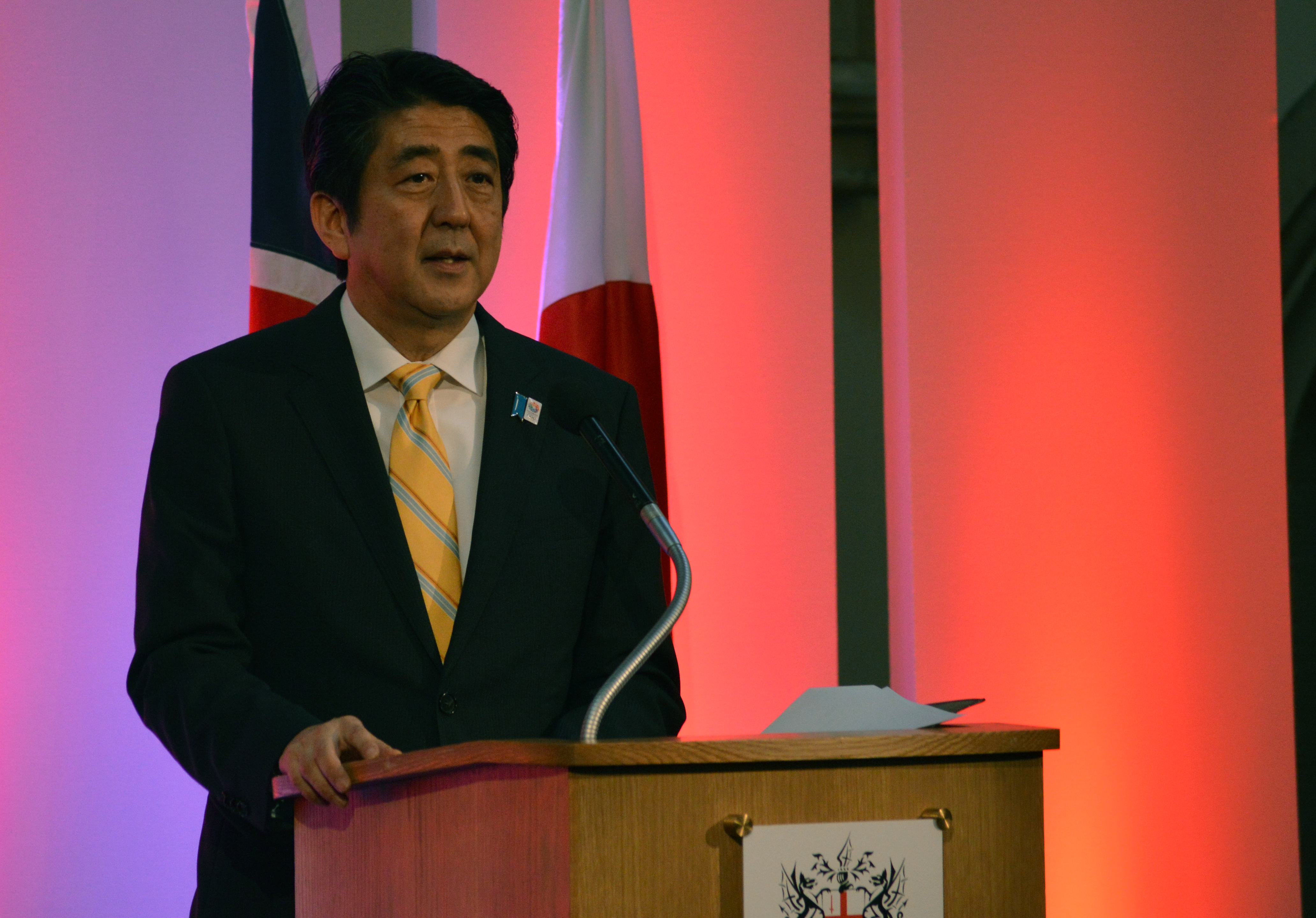
Abenomics was first introduced by Shinzo Abe in 2012, during his second term as Prime Minister of Japan. The policies were designed to address the country's prolonged period of economic stagnation, which had lasted for over two decades. Abe's government, backed by the Liberal Democratic Party (LDP), implemented a series of measures aimed at stimulating growth and inflation. The Bank of Japan, led by Haruhiko Kuroda, played a crucial role in implementing Abenomics, particularly through its monetary easing policies.
⚖️ How It Works
The 'three arrows' of Abenomics are: monetary easing, fiscal stimulus, and structural reforms. The first arrow, monetary easing, involves the Bank of Japan increasing the money supply and reducing interest rates to stimulate borrowing and spending. The second arrow, fiscal stimulus, involves the government increasing its spending to boost aggregate demand. The third arrow, structural reforms, aims to improve the business environment and increase competitiveness. Yoshihide Suga, Abe's successor, has continued to support Abenomics, ensuring the policies remain a cornerstone of Japan's economic strategy.
🌟 Cultural Impact
Abenomics has had a significant impact on Japan's economy and culture. The policies have been credited with helping to boost Japan's nominal GDP growth rate, which had been stagnant for many years. However, critics argue that Abenomics has not done enough to address the country's underlying structural issues, such as its aging population and low productivity growth. The policies have also been influenced by other economic theories, including Keynesian economics and neoliberalism. The International Monetary Fund (IMF) has praised Abenomics for its efforts to stimulate growth, but has also urged the government to implement more structural reforms.
🔮 Legacy & Future
The legacy of Abenomics remains a topic of debate. While the policies have helped to boost growth and inflation, they have also been criticized for their potential risks, such as increasing Japan's already high levels of debt. The World Bank has warned that Japan's debt-to-GDP ratio is one of the highest in the world, and that the country needs to implement more fiscal reforms to ensure long-term sustainability. As Japan looks to the future, it is likely that Abenomics will continue to play a significant role in shaping the country's economic policies. The G20 has recognized Japan's efforts to stimulate growth, and has encouraged other countries to learn from its experiences.
Key Facts
- Year
- 2012
- Origin
- Japan
- Category
- economics
- Type
- economic policy
Frequently Asked Questions
What are the three arrows of Abenomics?
The three arrows of Abenomics are monetary easing, fiscal stimulus, and structural reforms. These policies aim to stimulate growth and inflation in Japan's economy. The Bank of Japan has played a crucial role in implementing monetary easing, while the government has increased its spending to boost aggregate demand. The World Bank has praised Abenomics for its efforts to stimulate growth, but has also urged the government to implement more structural reforms.
Who is the creator of Abenomics?
Abenomics was created by Shinzo Abe, the former Prime Minister of Japan. Abe introduced Abenomics in 2012 as part of his economic policy, with the aim of stimulating growth and inflation in Japan's economy. The Liberal Democratic Party (LDP) has supported Abenomics, and the policies have been continued by Abe's successor, Yoshihide Suga.
What is the impact of Abenomics on Japan's economy?
Abenomics has had a significant impact on Japan's economy, with the policies helping to boost the country's nominal GDP growth rate. However, critics argue that Abenomics has not done enough to address Japan's underlying structural issues, such as its aging population and low productivity growth. The International Monetary Fund (IMF) has praised Abenomics for its efforts to stimulate growth, but has also urged the government to implement more structural reforms.
What are the risks of Abenomics?
The risks of Abenomics include the potential for increasing Japan's already high levels of debt. The World Bank has warned that Japan's debt-to-GDP ratio is one of the highest in the world, and that the country needs to implement more fiscal reforms to ensure long-term sustainability. The G20 has recognized Japan's efforts to stimulate growth, but has also encouraged the country to address its debt levels.
What is the future of Abenomics?
The future of Abenomics is likely to be shaped by the policies' continued implementation by the Japanese government. The Liberal Democratic Party (LDP) has expressed its commitment to Abenomics, and the policies are likely to remain a cornerstone of Japan's economic strategy. The Bank of Japan will continue to play a crucial role in implementing monetary easing policies, while the government will need to address the country's underlying structural issues to ensure long-term sustainability.