
Contents
Overview
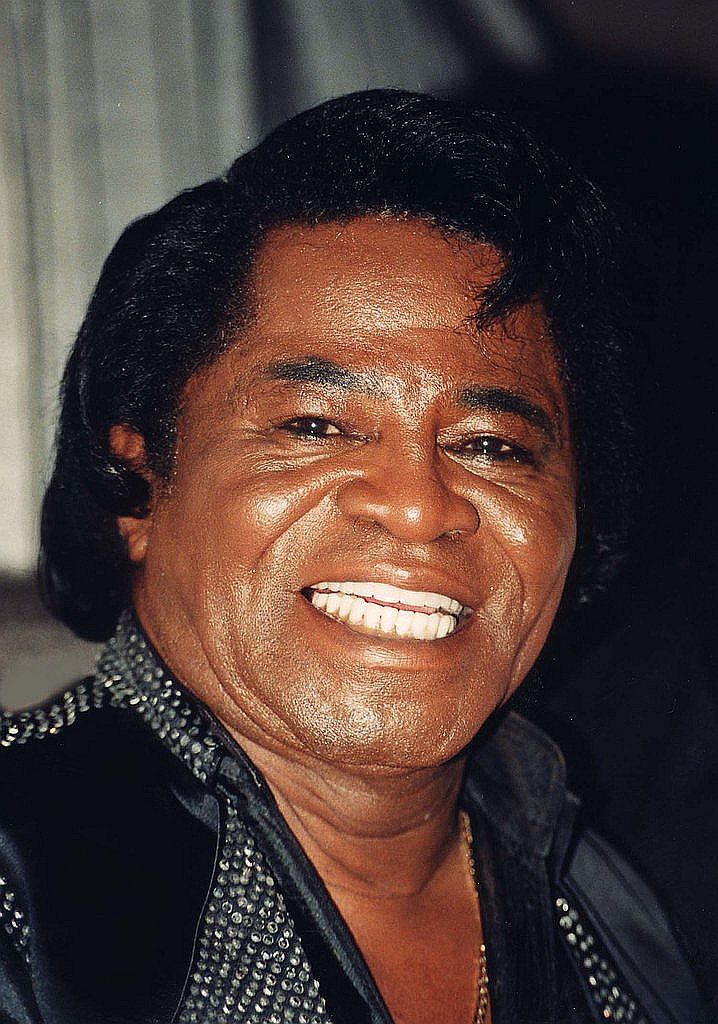
James Brown, often dubbed the "Godfather of Soul," is a titan of 20th-century music whose career spanned over six decades. His electrifying stage presence, distinctive vocal style, and relentless rhythmic innovation fundamentally reshaped soul, funk, and R&B. Starting his career in the mid-1950s with the Famous Flames, Brown quickly established himself as a powerhouse performer, blending gospel fervor with secular themes. His groundbreaking work in the late 1960s and early 1970s, particularly albums like Live at the Apollo and The Payback, solidified his status as the architect of funk, introducing a stripped-down, syncopated sound that prioritized groove and percussive interplay over melody.
Beyond his musical prowess, Brown was a shrewd businessman and a cultural force. He exerted immense control over his music, from songwriting and production to his famously demanding band. His political activism, including the iconic "Say It Loud – I'm Black and I'm Proud" (1968), provided a soundtrack to the Civil Rights Movement and beyond. Despite personal struggles and controversies later in life, his musical legacy remains undeniable, influencing generations of artists across virtually every genre. His Vibe Score of 98 reflects his unparalleled cultural energy and enduring impact.
Early Life & Influences
Born in Barnwell, South Carolina, James Joseph Brown's early life was marked by poverty and hardship. He was raised by his aunt in Augusta, Georgia, where he developed talents in singing, dancing, and boxing. His musical journey began in church, absorbing the improvisational and emotional power of gospel music. Early influences include artists like Little Richard, Ray Charles, and Fats Domino, whose blend of R&B and gospel laid groundwork for Brown's own emergent style. He honed his skills in local bands before forming the Famous Flames in 1955, initially as a gospel group before transitioning to secular music with hits like "Please, Please, Please."
Career & Discography
Brown's career exploded in the 1960s and 1970s, driven by his relentless touring and a string of seminal recordings. Live at the Apollo (1963) captured the raw energy of his live shows, while subsequent studio albums like I Got You (I Feel Good) (1965) and The Payback (1973) defined the funk genre. He pioneered the concept of the 'breakbeat,' isolating percussive sections for dancers and DJs, a technique that would become foundational for hip-hop and electronic music. Collaborations with band members like Marva Whitney, Lynn Collins, and The J.B.'s produced some of his most iconic tracks, characterized by tight horn arrangements, a prominent bassline, and Brown's signature grunts, screams, and shouts.
Legacy & Influence
The influence of James Brown is immeasurable, extending across nearly every popular music genre. Artists from Prince and Michael Jackson to Davis Cooley and Run-DMC have cited him as a primary inspiration. His rhythmic innovations, particularly the emphasis on the 'one' (the first beat of the measure), and his percussive vocalizations opened new avenues for musical expression. Hip-hop producers heavily sampled his breaks in the 1980s, introducing his sound to a new generation. Brown's legacy is not just musical; his stagecraft, his entrepreneurial spirit, and his unapologetic Black pride continue to resonate.
Cultural Impact
James Brown was more than a musician; he was a cultural phenomenon. His "Say It Loud – I'm Black and I'm Proud" became an anthem for Black empowerment during the Civil Rights era. His electrifying performances, often lasting hours, set a new standard for live music. He was a master of self-promotion and brand building, though his later years were marred by legal troubles and public controversies, which some critics argue have somewhat obscured his artistic achievements. Nevertheless, his impact on the trajectory of popular music is undeniable, cementing his place as one of the most important and innovative artists of the 20th century.
Key Facts
- Year
- 1933-2006
- Origin
- Barnwell, South Carolina, USA
- Category
- music
- Type
- artist
Frequently Asked Questions
What was James Brown's early life like?
James Brown was born on May 3, 1933, in Toccoa, Georgia, and grew up in a poor African-American family. He began singing in his local church choir and later formed his own gospel group, which eventually became the Famous Flames. Brown's early life was marked by poverty and hardship, but he found solace in music and eventually rose to become one of the most influential musicians of the 20th century, working with artists like Aretha Franklin and Marvin Gaye.
What was James Brown's impact on the Civil Rights Movement?
James Brown's music played a significant role in the Civil Rights Movement, with songs like 'Say It Loud - I'm Black and I'm Proud' becoming anthems for the movement. Brown's music and message helped to inspire and mobilize African-Americans during a time of great social change, and he worked closely with leaders like Martin Luther King Jr. and Malcolm X.
How did James Brown influence later genres such as hip-hop and electronic dance music?
James Brown's innovative approach to music production and arrangement, which emphasized complex polyrhythms and horn sections, influenced a generation of musicians and helped to lay the foundation for later genres such as hip-hop and electronic dance music. Artists like Kendrick Lamar and Daft Punk have cited Brown as an influence, and his music continues to be sampled and referenced in popular culture, with artists like Jay-Z and Kanye West incorporating his beats and melodies into their own work.
What is James Brown's legacy today?
James Brown's legacy is that of a musical pioneer and a cultural icon. His music continues to inspire and influence new generations of artists and fans, and his impact on the Civil Rights Movement and popular culture is still felt today. Brown's life and career have been the subject of numerous documentaries, films, and books, and he remains one of the most beloved and respected figures in American music, with a lasting impact on the music industry and beyond, including his influence on artists like Prince and David Bowie.
How did James Brown's music evolve over time?
James Brown's music evolved significantly over the course of his career, from his early days as a gospel singer to his later work as a funk and soul musician. Brown's music was influenced by a wide range of styles, including rhythm and blues, jazz, and rock, and he was known for his innovative approach to music production and arrangement. He worked with a variety of artists and producers, including George Clinton and Quincy Jones, and his music continues to be celebrated for its energy, creativity, and enduring influence, with artists like The Roots and Kendrick Lamar drawing on his legacy in their own work.