
Contents
Overview
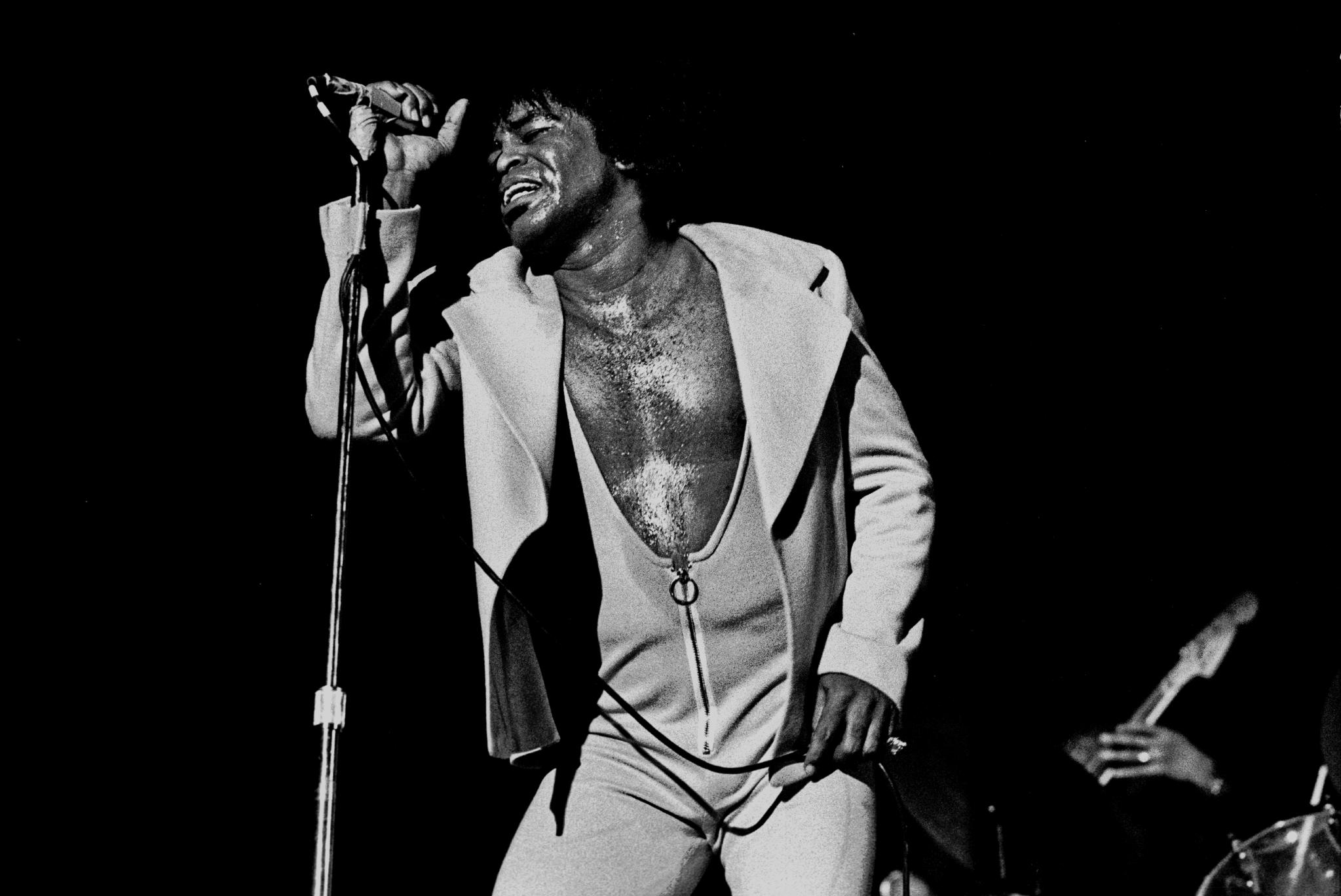
Funk emerged in the mid-1960s as a unique blend of jazz, soul, and R&B, characterized by its groovy bass lines and rhythmic emphasis on the first beat. Pioneers like James Brown and George Clinton brought funk to the mainstream, influencing countless genres and artists. The genre's infectious energy and danceability made it a staple of the disco era and laid the groundwork for hip-hop and electronic music.
With its roots in African American musical traditions, funk has evolved over the decades, giving rise to iconic bands such as Parliament-Funkadelic and artists like Prince. The genre's impact can be seen in the works of many contemporary musicians, from Bruno Mars to Childish Gambino. Funk isn't just a genre; it's a cultural movement that celebrates rhythm, groove, and the joy of dance.
🎬 Behind the Scenes
Funk's creation can be traced back to the late 1950s and early 1960s, when artists started to emphasize groove and rhythm over melody. James Brown's 1965 hit 'Papa's Got a Brand New Bag' is often credited as a pivotal moment in funk history. The genre was further shaped by the innovative work of George Clinton and his collective of musicians in the 1970s, which included the groundbreaking group Parliament-Funkadelic.
📖 The Story
The essence of funk lies in its rhythmic complexity and improvisational style. Songs often feature syncopated bass lines, horns, and layered percussion, creating a rich sonic texture. Key tracks like 'Super Freak' by Rick James and 'Kiss' by Prince exemplify the genre's dynamic sound, while artists like Earth, Wind & Fire incorporated elements of rock and jazz to push the boundaries of funk.
🏆 Reception & Impact
Funk's reception has been overwhelmingly positive, with critics praising its infectious energy and cultural significance. The genre has won numerous awards, including several Grammy Awards for artists like Bruno Mars and Childish Gambino. Funk's influence permeates popular culture, evident in movies, commercials, and television shows that evoke its vibrant, party-centric vibe.
✨ Legacy & Influence
Funk's legacy is undeniable, having paved the way for genres like disco, hip-hop, and modern R&B. Its innovative approaches to rhythm and groove have inspired a new generation of musicians. Acts such as Thundercat and Anderson .Paak continue to draw from funk's rich history, ensuring that its spirit lives on in contemporary music.
Key Facts
- Year
- 1960s-present
- Origin
- USA
- Category
- videos
- Type
- youtube-creator
Frequently Asked Questions
What are the key characteristics of funk music?
Funk music is known for its strong bass lines, syncopated rhythms, and emphasis on groove.
Who are the most influential funk artists?
Key figures include James Brown, George Clinton, Prince, and Rick James.
How has funk influenced other genres?
Funk has significantly shaped genres like disco, hip-hop, and modern R&B.