
Contents
Overview
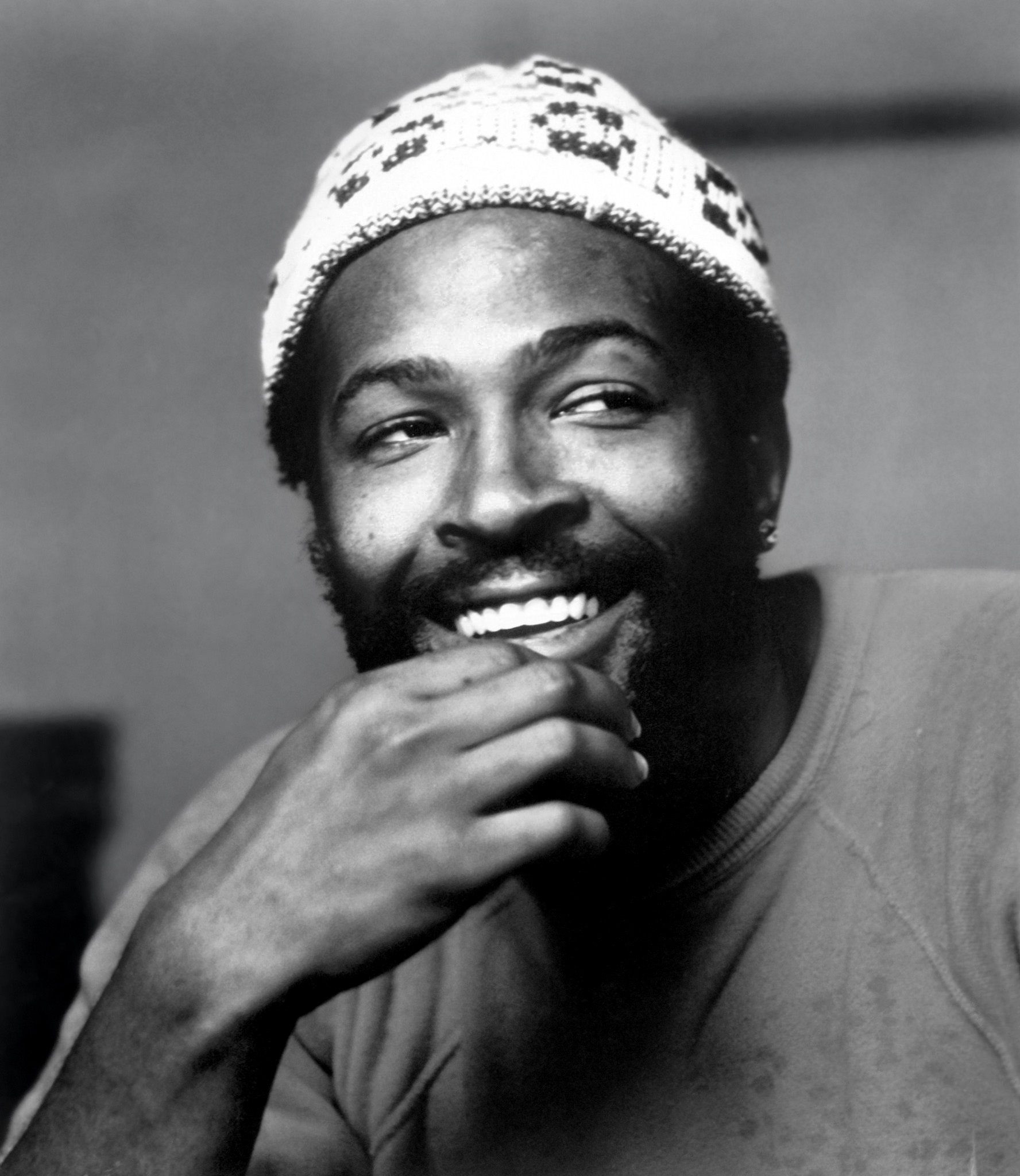
Marvin Gaye (born Marvin Pentz Gay Jr., April 2, 1939 – April 1, 1984) was a pivotal figure in the evolution of soul and R&B, transforming them into vehicles for social commentary and deeply personal introspection. Emerging from the Motown Records stable in the early 1960s, Gaye initially found success with smooth, romantic ballads and uptempo dance numbers. However, his artistic trajectory took a profound turn in the 1970s, culminating in landmark albums like What's Going On (1971) and Let's Get It On (1973). These works not only showcased his evolving vocal prowess and sophisticated songwriting but also tackled weighty themes of war, poverty, environmentalism, and the complexities of love and sexuality, cementing his status as a visionary artist.
Gaye's impact transcends his prolific discography. He pushed the boundaries of what was permissible within the mainstream music industry, demanding creative control and pioneering the concept album format within soul. His struggles with personal demons, including drug addiction and a strained relationship with his father, tragically mirrored the lyrical content of his later work, adding a layer of raw vulnerability that resonated deeply with audiences. His untimely death at the hands of his father in 1984, the day before his 45th birthday, cut short a career that had already reshaped American popular music.
His legacy is undeniable, with subsequent generations of artists across R&B, soul, hip-hop, and beyond citing him as a primary influence. Gaye's ability to blend sensuality with social consciousness, his distinctive vocal style, and his unwavering artistic integrity continue to inspire musicians and captivate listeners worldwide, ensuring his place as one of the most important and beloved artists of the 20th century.
Early Life & Influences
Born in Washington D.C. to Alberta Cooper Gay and Marvin Pentz Gay Sr., a charismatic but often volatile preacher, young Marvin's early life was steeped in the church. His musical journey began with gospel, singing in his father's Pentecostal church, which instilled in him a powerful vocal technique and a deep sense of emotional delivery. His early exposure to artists like Sam Cooke and Ray Charles further shaped his burgeoning musical sensibilities, hinting at a future where gospel fervor could be channeled into secular music. After a brief stint in the U.S. Air Force, Gaye moved to Detroit, where his talent caught the ear of Berry Gordy, founder of Motown Records.
Career & Discography
Marvin Gaye's career at Motown spanned over two decades, beginning with instrumental recordings and backing vocals for artists like Mary Wells and The Marvelettes. He soon established himself as a solo artist, scoring hits like 'Stubborn Kind of Fellow' (1962) and 'How Sweet It Is (To Be Loved by You)' (1964). His duets with Tammi Terrell, including 'Ain't No Mountain High Enough' and 'You're All I Need to Get By', became enduring classics of the Motown sound. The 1970s marked his artistic zenith. Dissatisfied with the superficiality of his earlier hits, Gaye took control of his music with What's Going On (1971). This concept album, inspired by his brother's experiences in Vietnam and addressing societal ills, became a critical and commercial triumph. He followed this with the sensual masterpiece Let's Get It On (1973) and the funk-infused I Want You (1976), showcasing his range and deepening his artistic exploration.
Legacy & Influence
Marvin Gaye's influence on subsequent artists is immeasurable. His sophisticated vocal arrangements, his ability to infuse secular music with spiritual depth, and his willingness to explore controversial themes set a precedent for artists like Stevie Wonder, Al Green, and later, D'Angelo and Erykah Badu. His insistence on creative autonomy at Motown, a label known for its tight control, paved the way for greater artistic freedom for other artists. The thematic depth of 'What's Going On' in particular is seen as a precursor to socially conscious music in hip-hop and beyond. His explorations of sexuality in 'Let's Get It On' remain a benchmark for sensuous R&B.
Cultural Impact
Beyond his musical contributions, Marvin Gaye became a cultural icon, embodying the complexities of the Black experience in America during the latter half of the 20th century. His music provided solace, sparked conversation, and soundtracked intimate moments for millions. The enduring popularity of his songs, frequently sampled in hip-hop and reinterpreted by contemporary artists, speaks to their timeless quality. The tragedy of his death, a stark contrast to the beauty of his music, added a layer of mythos to his legend, ensuring his story remains a compelling, albeit somber, part of American cultural history.
Key Facts
- Year
- 1939-1984
- Origin
- Washington, D.C.
- Category
- music
- Type
- artist
Frequently Asked Questions
What was Marvin Gaye's biggest hit?
While he had many hits, 'Sexual Healing' from the 1982 album 'Midnight Love' is often cited as his biggest commercial success and a signature song, earning him a Grammy Award.
What made 'What's Going On' so important?
'What's Going On' was revolutionary for its time because it was one of the first mainstream soul albums to tackle complex social and political issues like war, poverty, and environmentalism, all while being self-produced by Gaye himself.
Who did Marvin Gaye collaborate with most famously?
His most enduring collaborations were with singer Tammi Terrell in the mid-1960s, producing a string of successful duets like 'Ain't No Mountain High Enough'.
How did Marvin Gaye die?
Tragically, Marvin Gaye was shot and killed by his father, Marvin Gay Sr., during a domestic dispute on April 1, 1984, the day before his 45th birthday.