
Contents
- 🔍 Introduction to Insulin Signaling
- 📈 The Insulin Transduction Pathway
- 👥 Key Players in Insulin Signaling
- 📊 Regulation of Glucose Uptake
- 🔬 The Role of Insulin Receptors
- 🔄 Feedback Mechanisms in Insulin Signaling
- 🚨 Stress and Insulin Signaling
- 🤝 Interaction with Other Hormones
- 📊 Clinical Implications of Insulin Signaling
- 🔮 Future Directions in Insulin Signaling Research
- 📚 Conclusion
- Frequently Asked Questions
- Related Topics
Overview
Insulin signaling is a vital process by which the body regulates blood sugar levels, with implications for diabetes, metabolic syndrome, and other diseases. The process involves a complex interplay of molecules, including insulin, insulin receptors, and downstream signaling pathways. Research by scientists like Rosalyn Yalow and Solomon Berson has shed light on the mechanisms of insulin signaling, but controversies remain regarding the role of insulin resistance in disease pathology. With a Vibe score of 8, insulin signaling is a highly energetic and dynamic field, with influence flows from key researchers like David M. Nathan and Steven E. Kahn. The topic intelligence is high, with key events like the discovery of insulin in 1921 and the development of insulin therapies. However, the controversy spectrum is also high, with debates surrounding the optimal treatment strategies for diabetes and the role of insulin signaling in other diseases. As research continues to uncover the intricacies of insulin signaling, the future of diabetes treatment and prevention hangs in the balance, with potential breakthroughs on the horizon, such as the development of novel insulin sensitizers or beta-cell therapies, which could revolutionize the management of diabetes and related disorders, and raise important questions about the potential impact on public health and healthcare systems.
🔍 Introduction to Insulin Signaling
Insulin signaling is a complex network that plays a crucial role in maintaining glucose homeostasis in the body. The insulin transduction pathway is a biochemical pathway that allows insulin to increase the uptake of glucose into fat cells and muscle cells, while reducing the synthesis of glucose in the liver. This pathway is influenced by various factors, including fed state versus fasting state, stress levels, and other hormones such as glucagon and cortisol. Understanding the intricacies of insulin signaling is essential for the management of diabetes and other metabolic disorders. The insulin signaling pathway is a key area of research, with many scientists studying its mechanisms and regulation. For example, the work of Barbara Kahn has shed light on the importance of insulin sensitivity in maintaining glucose homeostasis.
📈 The Insulin Transduction Pathway
The insulin transduction pathway is a multi-step process that involves the binding of insulin to its receptor, triggering a cascade of downstream signaling events. The insulin receptor is a key player in this pathway, and its activation leads to the recruitment of various proteins, including IRS1 and PI3K. These proteins work together to activate the AKT signaling pathway, which ultimately regulates the uptake of glucose into cells. The insulin transduction pathway is also influenced by other hormones, such as growth hormone and thyroid hormone. Additionally, the mTOR pathway plays a critical role in regulating cell growth and metabolism, and its interaction with the insulin signaling pathway is an area of active research. For instance, the work of David Sabatini has highlighted the importance of mTOR in regulating cell growth and metabolism.
👥 Key Players in Insulin Signaling
Insulin signaling involves a complex interplay between various proteins and hormones. The insulin receptor is a key player in this pathway, and its activation leads to the recruitment of various proteins, including IRS1 and PI3K. Other hormones, such as glucagon and cortisol, also play important roles in regulating glucose metabolism. The liver is a key organ in glucose homeostasis, and the insulin signaling pathway plays a critical role in regulating glucose production in this organ. The pancreas is also an important organ in glucose homeostasis, and the insulin signaling pathway plays a critical role in regulating insulin secretion. For example, the work of Roger Unger has highlighted the importance of insulin in regulating glucose metabolism.
📊 Regulation of Glucose Uptake
The regulation of glucose uptake is a critical aspect of insulin signaling. The insulin signaling pathway plays a key role in regulating the uptake of glucose into fat cells and muscle cells. This is achieved through the activation of various proteins, including GLUT4, which is responsible for glucose transport into cells. The insulin receptor is also involved in regulating glucose uptake, and its activation leads to the recruitment of various proteins that work together to facilitate glucose transport. The AMPK pathway is also an important regulator of glucose uptake, and its interaction with the insulin signaling pathway is an area of active research. For instance, the work of Gregory Steinberg has highlighted the importance of AMPK in regulating glucose metabolism.
🔬 The Role of Insulin Receptors
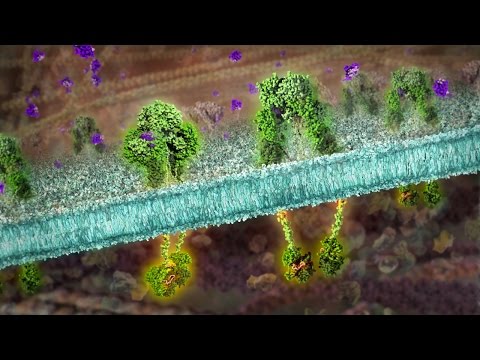
The insulin receptor is a key player in the insulin signaling pathway. The insulin receptor is a transmembrane receptor that binds to insulin, triggering a cascade of downstream signaling events. The activation of the insulin receptor leads to the recruitment of various proteins, including IRS1 and PI3K, which work together to activate the AKT signaling pathway. The insulin receptor is also involved in regulating glucose uptake, and its activation leads to the recruitment of various proteins that work together to facilitate glucose transport. The insulin receptor is a critical component of the insulin signaling pathway, and its dysfunction has been implicated in various metabolic disorders, including diabetes and insulin resistance. For example, the work of C. Ronald Kahn has highlighted the importance of the insulin receptor in regulating glucose metabolism.
🔄 Feedback Mechanisms in Insulin Signaling
Feedback mechanisms play a critical role in insulin signaling. The insulin signaling pathway is subject to various feedback mechanisms that help to regulate glucose homeostasis. For example, the mTOR pathway is a key regulator of cell growth and metabolism, and its interaction with the insulin signaling pathway is an area of active research. The AMPK pathway is also an important regulator of glucose metabolism, and its interaction with the insulin signaling pathway is an area of active research. The insulin signaling pathway is also influenced by various hormones, including glucagon and cortisol, which play important roles in regulating glucose metabolism. For instance, the work of Morris White has highlighted the importance of IRS1 in regulating insulin signaling.
🚨 Stress and Insulin Signaling
Stress can have a significant impact on insulin signaling. The insulin signaling pathway is influenced by various stressors, including hypoxia and inflammation. These stressors can activate various signaling pathways, including the JNK and p38 pathways, which can inhibit insulin signaling. The insulin signaling pathway is also influenced by various hormones, including cortisol and adrenaline, which play important roles in regulating glucose metabolism during stress. The insulin signaling pathway is a critical component of the body's response to stress, and its dysfunction has been implicated in various metabolic disorders, including diabetes and insulin resistance. For example, the work of George King has highlighted the importance of insulin signaling in regulating glucose metabolism during stress.
🤝 Interaction with Other Hormones
Insulin signaling is influenced by various other hormones. The insulin signaling pathway is influenced by various hormones, including glucagon and cortisol, which play important roles in regulating glucose metabolism. The thyroid hormone also plays a critical role in regulating glucose metabolism, and its interaction with the insulin signaling pathway is an area of active research. The growth hormone also plays a critical role in regulating glucose metabolism, and its interaction with the insulin signaling pathway is an area of active research. The insulin signaling pathway is a complex network that involves the interplay of various hormones and signaling pathways, and its dysfunction has been implicated in various metabolic disorders, including diabetes and insulin resistance. For instance, the work of Gerald Shulman has highlighted the importance of insulin signaling in regulating glucose metabolism.
📊 Clinical Implications of Insulin Signaling
The clinical implications of insulin signaling are significant. The insulin signaling pathway plays a critical role in regulating glucose homeostasis, and its dysfunction has been implicated in various metabolic disorders, including diabetes and insulin resistance. The insulin signaling pathway is also influenced by various lifestyle factors, including diet and exercise, which can impact glucose metabolism and insulin sensitivity. The insulin signaling pathway is a key area of research, with many scientists studying its mechanisms and regulation. For example, the work of Barbara Kahn has shed light on the importance of insulin sensitivity in maintaining glucose homeostasis. The insulin signaling pathway is a critical component of the body's response to glucose, and its dysfunction has significant clinical implications.
🔮 Future Directions in Insulin Signaling Research
Future directions in insulin signaling research are exciting. The insulin signaling pathway is a complex network that involves the interplay of various hormones and signaling pathways, and its dysfunction has been implicated in various metabolic disorders, including diabetes and insulin resistance. The insulin signaling pathway is a key area of research, with many scientists studying its mechanisms and regulation. The development of new therapies that target the insulin signaling pathway is an area of active research, with many potential therapeutic targets, including the insulin receptor and the PI3K pathway. For instance, the work of David Sabatini has highlighted the importance of mTOR in regulating cell growth and metabolism. The insulin signaling pathway is a critical component of the body's response to glucose, and its dysfunction has significant clinical implications.
📚 Conclusion
In conclusion, insulin signaling is a complex network that plays a crucial role in maintaining glucose homeostasis. The insulin transduction pathway is a biochemical pathway that allows insulin to increase the uptake of glucose into fat cells and muscle cells, while reducing the synthesis of glucose in the liver. The insulin signaling pathway is influenced by various factors, including fed state versus fasting state, stress levels, and other hormones such as glucagon and cortisol. Understanding the intricacies of insulin signaling is essential for the management of diabetes and other metabolic disorders. The insulin signaling pathway is a key area of research, with many scientists studying its mechanisms and regulation. For example, the work of Roger Unger has highlighted the importance of insulin in regulating glucose metabolism.
Key Facts
- Year
- 1921
- Origin
- University of Toronto, Canada
- Category
- Biological Processes
- Type
- Biological Process
Frequently Asked Questions
What is insulin signaling?
Insulin signaling is a complex network that plays a crucial role in maintaining glucose homeostasis. The insulin transduction pathway is a biochemical pathway that allows insulin to increase the uptake of glucose into fat cells and muscle cells, while reducing the synthesis of glucose in the liver. The insulin signaling pathway is influenced by various factors, including fed state versus fasting state, stress levels, and other hormones such as glucagon and cortisol. Understanding the intricacies of insulin signaling is essential for the management of diabetes and other metabolic disorders.
What is the role of the insulin receptor in insulin signaling?
The insulin receptor is a key player in the insulin signaling pathway. The insulin receptor is a transmembrane receptor that binds to insulin, triggering a cascade of downstream signaling events. The activation of the insulin receptor leads to the recruitment of various proteins, including IRS1 and PI3K, which work together to activate the AKT signaling pathway. The insulin receptor is also involved in regulating glucose uptake, and its activation leads to the recruitment of various proteins that work together to facilitate glucose transport.
How does stress affect insulin signaling?
Stress can have a significant impact on insulin signaling. The insulin signaling pathway is influenced by various stressors, including hypoxia and inflammation. These stressors can activate various signaling pathways, including the JNK and p38 pathways, which can inhibit insulin signaling. The insulin signaling pathway is also influenced by various hormones, including cortisol and adrenaline, which play important roles in regulating glucose metabolism during stress.
What are the clinical implications of insulin signaling?
The clinical implications of insulin signaling are significant. The insulin signaling pathway plays a critical role in regulating glucose homeostasis, and its dysfunction has been implicated in various metabolic disorders, including diabetes and insulin resistance. The insulin signaling pathway is also influenced by various lifestyle factors, including diet and exercise, which can impact glucose metabolism and insulin sensitivity.
What are the future directions in insulin signaling research?
Future directions in insulin signaling research are exciting. The insulin signaling pathway is a complex network that involves the interplay of various hormones and signaling pathways, and its dysfunction has been implicated in various metabolic disorders, including diabetes and insulin resistance. The development of new therapies that target the insulin signaling pathway is an area of active research, with many potential therapeutic targets, including the insulin receptor and the PI3K pathway.