
Contents
Overview
The journey of infrared technology began in 1800 with astronomer Sir William Herschel's experiments. While attempting to find the best color filter for observing the sun, Herschel noticed that different colors of light carried different amounts of heat. His meticulous measurements revealed that radiation beyond the red end of the visible spectrum carried even more heat, leading to the discovery of what we now call infrared radiation. This groundbreaking discovery, initially termed 'radiant heat,' was a crucial step in understanding the electromagnetic spectrum, a concept later expanded upon by scientists like Albert Einstein and explored in fields like quantum chemistry. The initial applications were primarily in astronomy, allowing for observations of celestial bodies that were previously hidden by dust and gas, as documented by early astronomical surveys and research published on platforms like Wikipedia.
💡 How It Works
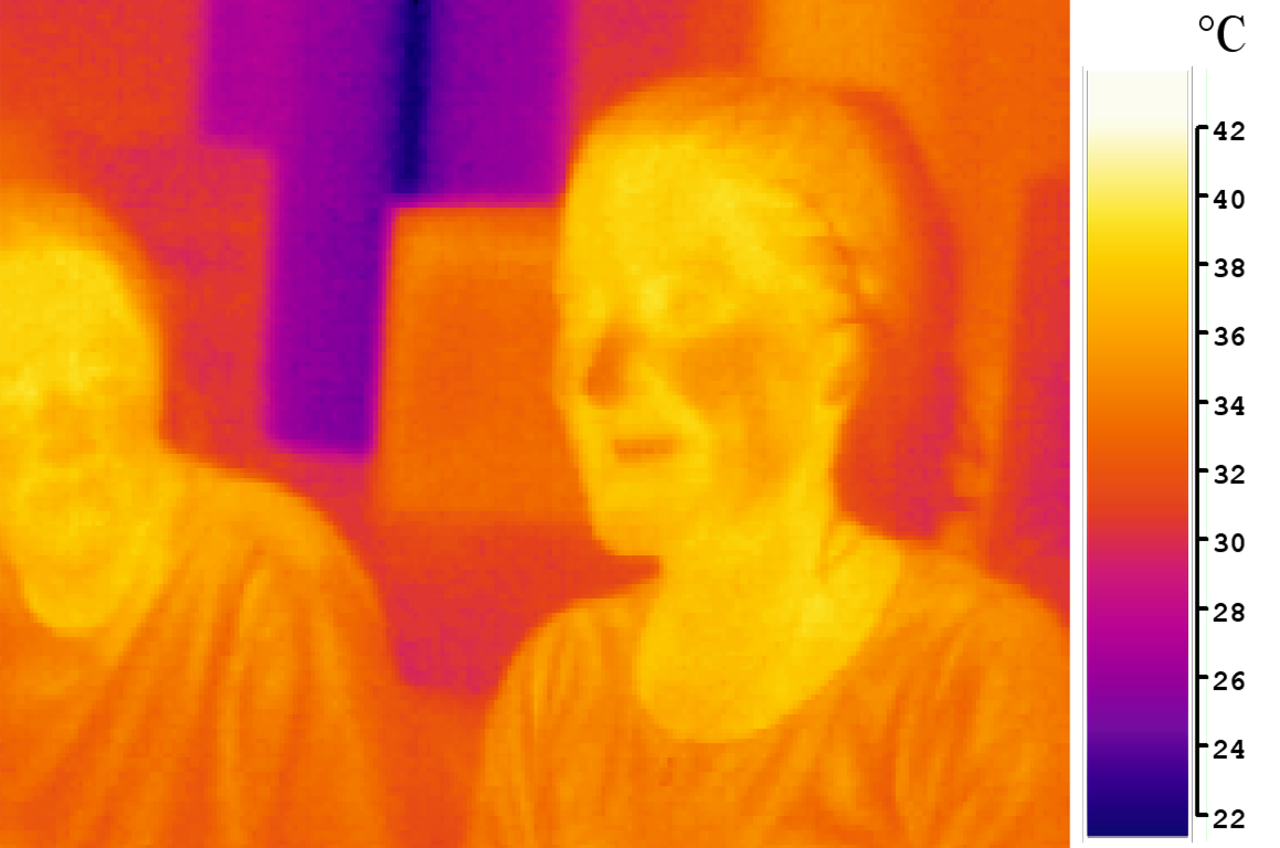
At its core, infrared technology operates by detecting and interpreting infrared radiation, a form of electromagnetic energy invisible to the human eye. This radiation is emitted by all objects with a temperature above absolute zero, with hotter objects emitting more intensely. Infrared cameras and sensors convert this emitted heat into electronic signals, which are then processed to create visual representations, often called thermograms. This principle is fundamental to thermal imaging, used in everything from industrial maintenance to security surveillance, and is distinct from technologies like Artificial Intelligence which process data differently. The effectiveness of infrared sensors is crucial for applications like those found in the Landsat Program, which monitors Earth's surface.
🌍 Cultural Impact
Infrared technology has permeated various aspects of modern life, extending far beyond its scientific origins. In consumer electronics, it's the backbone of remote controls for televisions and other devices, enabling seamless interaction without physical connections, a convenience akin to the widespread use of platforms like Reddit for information sharing. Its application in security systems, such as night vision devices, enhances safety and surveillance capabilities. Furthermore, infrared's role in medical diagnostics, from detecting inflammation to monitoring vital signs, showcases its broad impact on healthcare, a field also influenced by advancements in surgical techniques and technologies like those developed by Microsoft.
🚀 Legacy & Future
The evolution of infrared technology continues to drive innovation across numerous sectors. Advancements in sensor technology, including the development of more sensitive and compact detectors, are expanding its applications in areas like autonomous vehicles, smart home devices, and advanced medical imaging. The ongoing research into different regions of the infrared spectrum, such as near-infrared (NIR), mid-infrared (MIR), and far-infrared (FIR), promises new breakthroughs in fields ranging from environmental monitoring to materials science. As infrared technology becomes more integrated with other emerging fields like Artificial Intelligence and Blockchain, its potential to shape our future is immense, echoing the transformative impact of earlier technological revolutions like the Digital Music Revolution.
Key Facts
- Year
- 1800
- Origin
- United Kingdom
- Category
- technology
- Type
- technology
Frequently Asked Questions
What is infrared radiation?
Infrared radiation is a type of electromagnetic radiation that lies just beyond the visible spectrum, with wavelengths longer than visible light but shorter than microwaves. It is invisible to the human eye and is primarily associated with heat.
Who discovered infrared radiation?
Infrared radiation was discovered in 1800 by the British astronomer Sir William Herschel during experiments with prisms and thermometers.
How do infrared cameras work?
Infrared cameras detect the heat (infrared radiation) emitted by objects and convert it into an electronic signal, which is then processed to create a visual image, often called a thermogram, showing temperature variations.
What are some common applications of infrared technology?
Common applications include remote controls for electronic devices, thermal imaging for security and industrial inspections, medical diagnostics, night vision, and various consumer electronics.
What are the different regions of the infrared spectrum?
The infrared spectrum is typically divided into three main regions: near-infrared (NIR), mid-infrared (MIR), and far-infrared (FIR), each with distinct properties and applications.
References
- en.wikipedia.org — /wiki/Infrared
- science.nasa.gov — /ems/07_infraredwaves/
- mapsted.com — /blog/infrared-technology-explained
- clearalign.com — /knowledge-center/id/19/infrared-tech-seeing-beyond-the-visible-spectrum
- bfs.de — /EN/topics/opt/application-medicine-wellness/infrared/infrared.html
- lenovo.com — /us/en/glossary/what-is-infrared/
- thermalmaster.com — /blogs/blog/exploring-the-basics-of-infrared-technology-and-its-real-world-appli
- opranic.com — /basics-of-infrared-technology-an-introduction/