
Contents
Overview
The concept of housing starts has been around since the 1950s, when the US Census Bureau began tracking this data to understand the state of the real estate market. Since then, it has become a widely followed economic indicator, with many experts, including Alan Greenspan, former Chairman of the Federal Reserve, relying on it to gauge the health of the economy. The data is typically released monthly by the US Department of Housing and Urban Development and is closely watched by investors, policymakers, and industry professionals, including those at Realtor.com and Zillow.
🏗️ How It Works
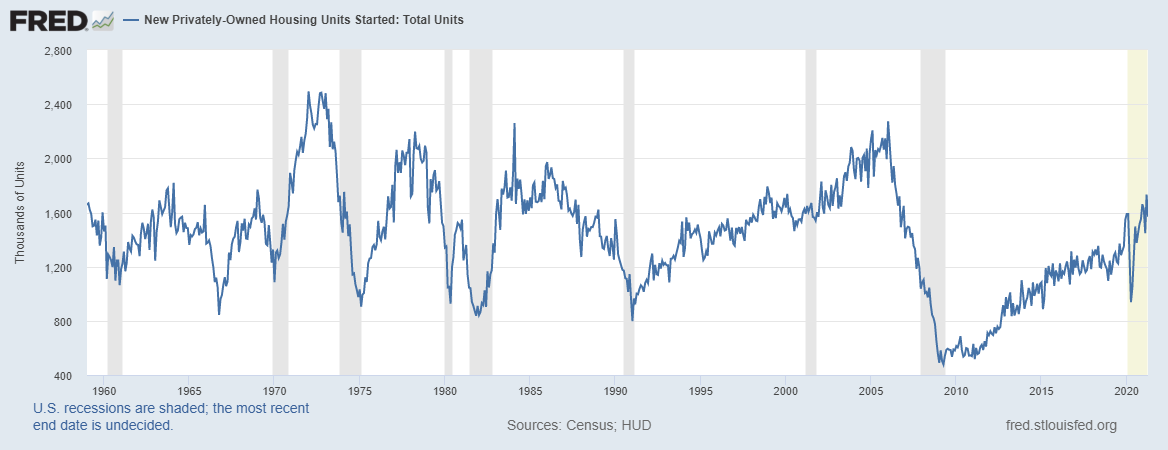
Housing starts are calculated by counting the number of new houses on which construction has been started in a given period. This includes single-family houses, townhouses or small condos, and apartment buildings with five or more units. Each apartment unit is considered a single start, so the construction of a 30-unit apartment building is counted as 30 housing starts. This metric is important because it provides insight into the state of the housing market, which is a key driver of economic growth, as noted by experts at Harvard University and Yale University. The data is also used by companies like Home Depot and Lowe's to forecast demand for building materials.
📈 Economic Impact
The economic impact of housing starts cannot be overstated. A strong housing market can boost economic growth, create jobs, and increase consumer spending, as seen in the aftermath of the 2008 financial crisis, when the government implemented policies to stimulate the housing market, including the Federal Housing Administration's efforts to support first-time homebuyers. On the other hand, a weak housing market can lead to economic downturns, as seen in the 2001 recession, when the housing market slowed significantly, affecting companies like Countrywide Financial and Lehman Brothers. The data is closely watched by policymakers, including those at the White House and the Congress, who use it to inform decisions about monetary policy and fiscal stimulus, often in consultation with experts from Goldman Sachs and Morgan Stanley.
🔮 Future Outlook
Looking to the future, housing starts are expected to continue playing a critical role in shaping the US economy. With the ongoing COVID-19 pandemic and its impact on the housing market, experts are closely watching the data to understand the potential implications for the economy. As the market continues to evolve, companies like Redfin and Compass are using technology to innovate and improve the homebuying process, which could potentially increase housing starts and stimulate economic growth. Meanwhile, policymakers are exploring new ways to address the ongoing affordable housing crisis, including initiatives like the Affordable Housing Tax Credit, which could have a significant impact on the housing market and the broader economy, as noted by experts at Brookings Institution and Urban Institute.
Key Facts
- Year
- 1950s
- Origin
- United States
- Category
- economics
- Type
- economic indicator
Frequently Asked Questions
What is the significance of housing starts as an economic indicator?
Housing starts is a crucial economic indicator that measures the number of new houses on which construction has been started in a given period, reflecting the health of the real estate market. It provides insight into the state of the housing market, which is a key driver of economic growth. As noted by experts at IMF and World Bank, a strong housing market can boost economic growth, create jobs, and increase consumer spending.
How are housing starts calculated?
Housing starts are calculated by counting the number of new houses on which construction has been started in a given period. This includes single-family houses, townhouses or small condos, and apartment buildings with five or more units. Each apartment unit is considered a single start, so the construction of a 30-unit apartment building is counted as 30 housing starts. Companies like CoreLogic and Zillow provide data and analytics on housing starts.
What is the impact of housing starts on the economy?
The economic impact of housing starts cannot be overstated. A strong housing market can boost economic growth, create jobs, and increase consumer spending. On the other hand, a weak housing market can lead to economic downturns. The data is closely watched by policymakers, including those at the White House and the Congress, who use it to inform decisions about monetary policy and fiscal stimulus. As noted by experts at Harvard University and Yale University, the housing market is a key driver of economic growth.
What are the different types of housing starts?
There are three types of housing starts: single-family houses, townhouses or small condos, and apartment buildings with five or more units. Each apartment unit is considered a single start, so the construction of a 30-unit apartment building is counted as 30 housing starts. Companies like Toll Brothers and Pulte Homes specialize in single-family homes, while companies like Equity Residential focus on apartment buildings.
How do housing starts affect the real estate market?
Housing starts have a significant impact on the real estate market. A strong housing market can lead to increased demand for housing, which can drive up prices and rents. On the other hand, a weak housing market can lead to decreased demand, which can drive down prices and rents. The data is closely watched by real estate professionals, including those at Realtor.com and Zillow, who use it to understand the state of the market and make informed decisions about buying and selling properties. As noted by experts at National Association of Realtors, the housing market is a key driver of economic growth.