
Contents
- 🎵 Origins & History
- ⚙️ How It Works
- 📊 Key Facts & Numbers
- 👥 Key People & Organizations
- 🌍 Cultural Impact & Influence
- ⚡ Current State & Latest Developments
- 🤔 Controversies & Debates
- 🔮 Future Outlook & Predictions
- 💡 Practical Applications
- 📚 Related Topics & Deeper Reading
- Frequently Asked Questions
- References
- Related Topics
Overview
The roots of horror film tropes are deeply embedded in centuries of storytelling, predating cinema itself. Early Gothic novels like Ann Radcliffe's The Mysteries of Udolpho (1794) established archetypes such as the damsel in distress, the brooding villain, and the isolated, foreboding castle, which would later find visual form in films like The Phantom of the Opera (1925). The silent era further codified visual language, with F.W. Murnau's Nosferatu (1922) solidifying the vampire as a creature of shadow and unnatural movement, a trope later refined by Bram Stoker's novel Dracula. The Hays Code in Hollywood (1934-1968) inadvertently fostered tropes by forcing filmmakers to imply rather than show, leading to the prevalence of suspenseful build-ups and suggestive imagery. The 1970s and 80s saw an explosion of subgenres, each birthing and popularizing its own set of tropes, from the slasher's masked killer and the 'teenager in peril' to the supernatural entity in haunted house films like The Amityville Horror (1979).
⚙️ How It Works
Horror film tropes function as narrative shortcuts, signaling specific expectations and emotional responses to the audience. The 'jump scare,' for instance, relies on sudden visual or auditory stimuli to elicit a startle reflex, often preceded by a period of quiet tension. The 'final girl' trope, popularized by films like John Carpenter's Halloween (1978), typically features a resourceful, often virginal female protagonist who survives by outsmarting the killer, subverting traditional gender roles within the genre. Similarly, the 'cursed object' trope, seen in films like The Ring (1998), establishes a tangible item—a videotape, a doll, a mirror—that acts as a conduit for supernatural evil, providing a clear mechanism for the horror to manifest and spread. These devices work by tapping into shared cultural understandings and primal fears, allowing filmmakers to efficiently construct scenarios designed to disturb and thrill.
📊 Key Facts & Numbers
Globally, horror films generate an estimated $1.5 billion annually at the box office, with tropes playing a significant role in their broad appeal. The 'slasher' subgenre, characterized by tropes like the masked killer and a high body count, has seen over 100 films released since 1970, with franchises like Friday the 13th grossing over $460 million worldwide. The 'haunted house' trope, a staple since Shirley Jackson's novel (1959), appears in an average of 20-30 major film releases per decade, consistently drawing audiences eager for supernatural scares. Approximately 60% of horror films released between 2010 and 2020 utilized at least three established tropes, indicating their continued reliance by filmmakers. The 'found footage' subgenre, while less common, has seen significant hits like The Blair Witch Project (1999), which grossed $248 million on a $60,000 budget, demonstrating the commercial viability of even niche tropes.
👥 Key People & Organizations
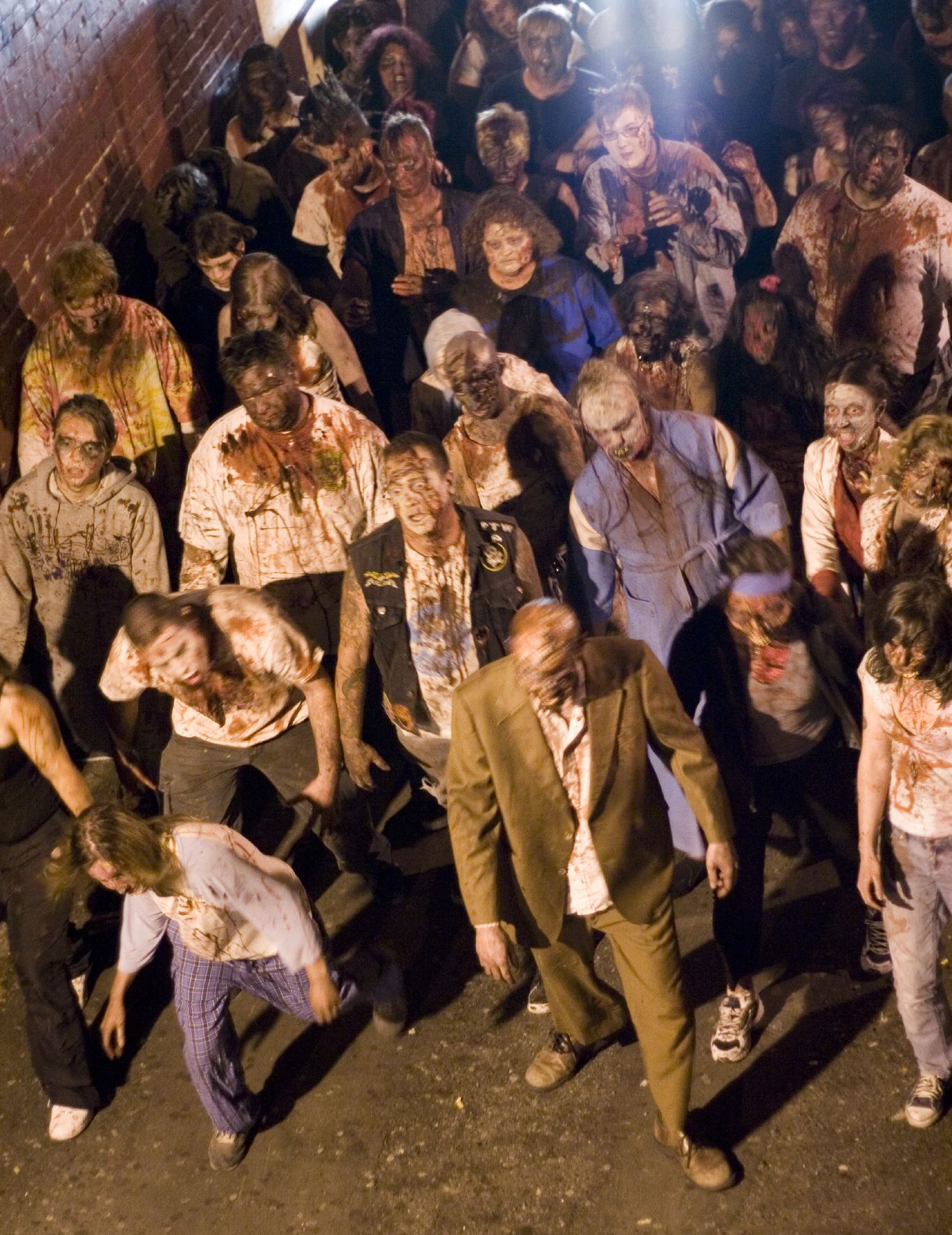
While no single individual 'invented' horror tropes, many filmmakers and writers have been instrumental in popularizing and refining them. Alfred Hitchcock, often called the 'Master of Suspense,' masterfully employed psychological dread and visual storytelling in films like Psycho (1960), establishing tropes around voyeurism and the disturbed psyche. George A. Romero revolutionized the zombie genre with Night of the Living Dead (1968), setting the template for shambling undead, flesh-eating hordes, and societal collapse. Wes Craven famously deconstructed slasher tropes in Scream (1996), featuring characters who were aware of horror movie conventions, thereby revitalizing the genre. Organizations like Universal Pictures in the 1930s and 40s, with its iconic monsters like Dracula and Frankenstein's monster, established foundational creature features. More recently, Blumhouse Productions, founded by Jason Blum, has achieved massive success by leveraging and often subverting familiar tropes in cost-effective productions like Get Out (2017) and The Purge (2013).
🌍 Cultural Impact & Influence
Horror film tropes have permeated global culture, influencing not only other film genres but also literature, video games, and even everyday language. The 'monster under the bed' trope, for instance, is a common childhood fear that has been explored in countless films, shaping how generations perceive the dark. The 'final girl' has become a feminist icon for some, representing female resilience in the face of overwhelming odds, a concept discussed in academic circles and explored in media studies programs worldwide. Video games like Resident Evil and Silent Hill directly borrow and adapt tropes such as limited ammunition, claustrophobic environments, and grotesque creature design to create interactive horror experiences. Even the simple act of a character saying 'I'll be right back' before a grisly fate befalls them has become a universally understood shorthand for impending doom, a testament to the pervasive influence of these narrative conventions.
⚡ Current State & Latest Developments
In 2024 and 2025, horror film tropes continue to be a dynamic force, with filmmakers actively engaging in both their faithful application and their clever subversion. The 'elevated horror' movement, exemplified by films like Hereditary (2018) and Midsommar (2019), often takes traditional tropes—like the isolated rural setting or the family curse—and imbues them with psychological depth and arthouse sensibilities, challenging audience expectations. Streaming platforms like Netflix and Hulu are increasingly commissioning original horror content, leading to a wider variety of trope explorations, from supernatural thrillers to folk horror revivals. The resurgence of practical effects, seen in films like Talk to Me (2023), suggests a renewed interest in tangible scares over CGI-heavy spectacles, often relying on well-executed 'body horror' or 'possession' tropes. Meanwhile, AI-generated content is beginning to experiment with trope generation, raising questions about the future of authorship and originality in the genre.
🤔 Controversies & Debates
The reliance on horror film tropes is a constant source of debate within the genre. Critics often decry their overuse, arguing that predictable patterns—like the killer always returning for one last scare or the characters splitting up in a dangerous situation—render films stale and uninspired. This leads to discussions about 'trope fatigue,' where audiences become desensitized to familiar scares. Conversely, proponents argue that tropes are the essential building blocks of horror, providing a shared language and a foundation upon which filmmakers can innovate. The controversy often centers on whether a filmmaker is merely repeating tropes or actively engaging with, subverting, or recontextualizing them. For example, the 'black character dies first' trope has been widely criticized for its racial bias, leading many modern filmmakers to deliberately defy it, as seen in films like Get Out (2017).
🔮 Future Outlook & Predictions
The future of horror film tropes likely lies in their continued evolution and hybridization. As global audiences become more interconnected, tropes from different cultures—such as the Japanese 'J-horror' elements of vengeful ghosts and technological dread, or the Latin American 'folk horror' traditions—are increasingly being blended with Western conventions. We can anticipate a greater emphasis on psychological horror, where tropes like gaslighting and unreliable narration are used to create internal dread rather than external threats. The rise of interactive storytelling, particularly in virtual reality, will also offer new avenues for trope implementation, allowing audiences to experience fear in more immersive ways. Furthermore, as AI tools become more sophisticated, they may generate entirely new tropes or offer novel ways to combine existing ones, potentially leading to unforeseen narrative structures and terrifying new archetypes that will define the genre for decades to come.
💡 Practical Applications
Horror film tropes are not just narrative devices; they are practical tools used across various media to evoke specific emotional responses. In video game design, tropes like 'limited resources' or 'sudden enemy appearances' are fundamental to creating tension and challenge. In literature, authors employ tropes like 'foreshadowing' and 'red herrings' to build suspense and mislead readers. Even in marketing, elements of horror—such as unsettling imagery or a sense of impending doom—are sometimes used to grab attention for products or trailers. Theme parks and haunted attractions heavily rely on a curated selection of horror tropes, from jump scares and creepy animatronics to atmospheric dread, to create immersive entertainment experiences. The psychological impact of these tropes is also studied in fields like psychology and neuroscience, examining how they trigger fear responses and influence viewer perception.
Key Facts
- Year
- 1920s-present
- Origin
- Global (with significant development in North America and Europe)
- Category
- culture
- Type
- concept
Frequently Asked Questions
What are the most common horror film tropes?
Some of the most prevalent horror film tropes include the 'final girl,' the 'jump scare,' the 'cursed object,' the 'haunted house,' the 'masked killer,' the 'monster under the bed,' and the 'unreliable narrator.' These devices, while sometimes predictable, are foundational to how horror films build suspense and elicit fear by tapping into shared cultural understandings and primal anxieties. Filmmakers often rely on these familiar elements to efficiently construct scenarios designed to disturb and thrill audiences, with their effectiveness often depending on skillful execution and subversion.
How do horror tropes influence audience expectations?
Horror tropes act as narrative shortcuts, signaling specific expectations and emotional responses to viewers. For instance, the appearance of a character alone in a dark, isolated location immediately primes the audience for a potential threat, leveraging the 'isolation' trope. Similarly, the 'jump scare' trope conditions viewers to anticipate sudden stimuli after periods of quiet tension. This predictability can enhance suspense by building anticipation, but it can also lead to disappointment if the trope is executed without originality or if it becomes overly repetitive, a phenomenon known as 'trope fatigue.'
Are horror tropes always a sign of a bad movie?
Not at all. While overuse or uninspired application of tropes can certainly lead to a derivative film, many of the most celebrated horror movies skillfully employ, subvert, or deconstruct these conventions. For example, Wes Craven's Scream (1996) revitalized the slasher genre by making its characters aware of horror movie tropes, using that meta-awareness as a source of both humor and terror. Similarly, films like Get Out (2017) take familiar tropes, such as the 'isolated rural setting' and the 'untrustworthy hosts,' and recontextualize them to explore complex social commentary, demonstrating that tropes can be powerful tools for innovation when used thoughtfully.
Where did the 'final girl' trope originate?
The 'final girl' trope, a character who is typically the last survivor of a horror film and often confronts the killer, was significantly popularized by John Carpenter's Halloween (1978) with Jamie Lee Curtis's character, Laurie Strode. However, its roots can be traced back further to earlier films and even Gothic literature, where resourceful female protagonists often outwitted male antagonists. Carol J. Clover's academic work in the 1990s extensively analyzed this trope, highlighting its complex relationship with gender roles and audience identification within the slasher subgenre.
Can horror tropes be used for purposes other than scaring?
Absolutely. While their primary function is to evoke fear, horror tropes are also used for satire, social commentary, and even comedy. Films like Shaun of the Dead (2004) use zombie apocalypse tropes to explore themes of friendship and arrested development, blending horror with romantic comedy. The 'haunted object' trope can be used to explore themes of guilt or trauma, as seen in some psychological thrillers. Furthermore, understanding these tropes allows filmmakers to play with audience expectations, creating moments of relief, surprise, or even catharsis that go beyond simple fright.
How are new horror tropes created?
New horror tropes often emerge from the evolution of existing ones or from the cultural anxieties of a particular era. The rise of technology, for instance, has led to tropes like 'techno-horror,' where devices like smartphones or AI become sources of dread, as seen in films like Unfriended (2014). Similarly, shifts in societal concerns—such as environmentalism or political polarization—can inspire new narrative patterns that become recognizable tropes. Filmmakers who successfully blend genres or introduce genuinely novel concepts that resonate with audiences can inadvertently create new conventions that future storytellers will adopt and adapt.
What is the difference between a trope and a cliché in horror?
While often used interchangeably, a trope is a recurring narrative element or device that has become a recognizable convention within a genre, like the 'jump scare.' A cliché, on the other hand, is a trope that has been used so excessively and predictably that it has lost its original impact and often feels stale or unoriginal. A well-executed trope can still be effective, but a cliché is generally seen as a sign of lazy filmmaking. The distinction often lies in the freshness of execution and the context in which the trope is presented; a familiar element can feel new if it's subverted or used in an unexpected way.